
Beautiful Plants For Your Interior
Beautiful Plants For Your Interior
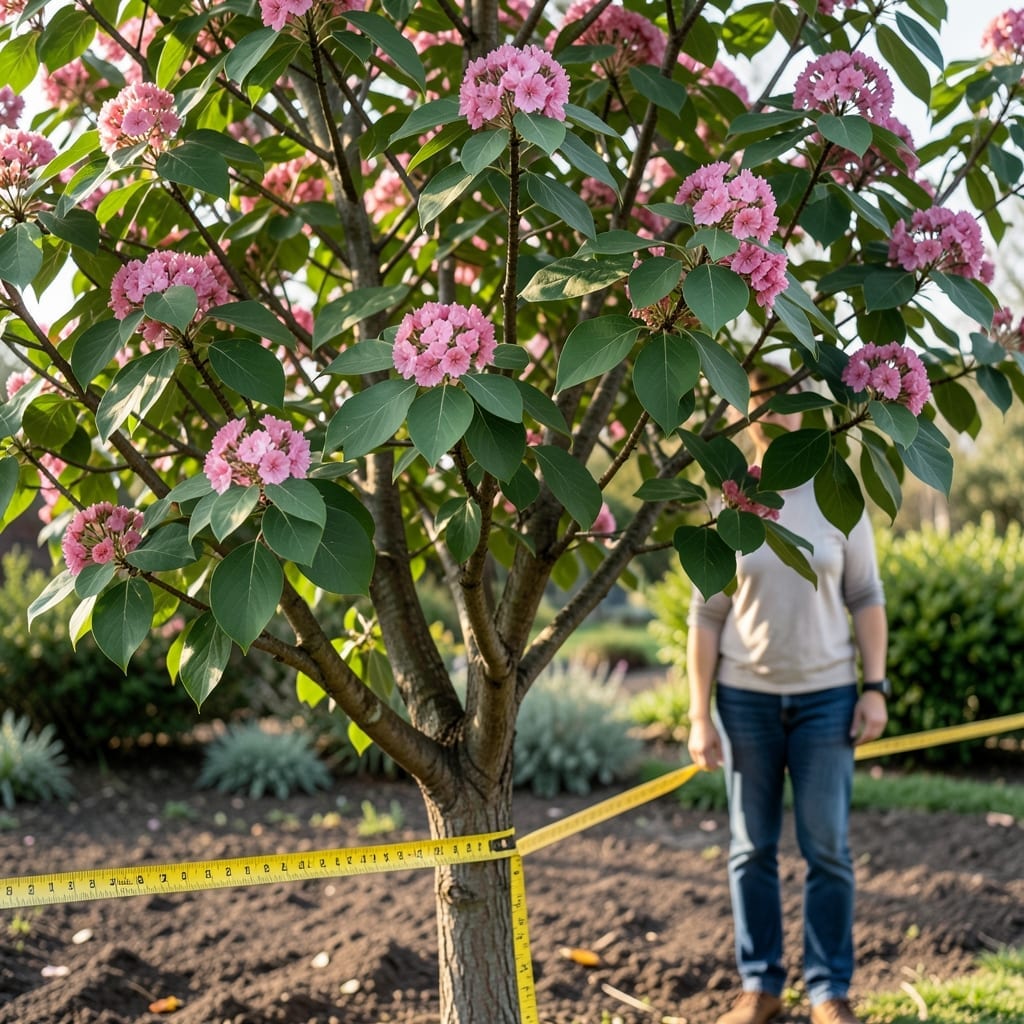
If you’re dreaming of adding a Dogwood Tree 🌳 to your landscape, size matters. These beauties can vary dramatically by species, from compact shrubs to towering focal points.
I’ve seen gardeners plant them too close to homes, only to face pruning headaches later. Knowing their mature dimensions helps you plan the perfect spot from the start.
Discover the typical height and spread ranges, plus how to match the right variety to your space. Let’s ensure your Dogwood thrives without outgrowing its welcome.
Dogwood trees come in a surprising range of sizes, making them versatile for any landscape. From compact ornamentals to stately shade trees, there’s a variety for every space.
I’ve planted everything from dwarf dogwoods in containers to 30-foot specimens as yard focal points. The key is matching the variety to your available space.
| Variety | Mature Height | Mature Spread |
| Flowering Dogwood | 15-30 ft | 15-20 ft |
| Kousa Dogwood | 20-30 ft | 15-25 ft |
| Pacific Dogwood | 20-40 ft | 15-25 ft |
| Dwarf Dogwood | 6-10 ft | 6-10 ft |
| Cornelian Cherry | 15-25 ft | 12-18 ft |
The Flowering Dogwood is the classic choice, typically reaching 15-30 feet tall with a similar spread. It’s perfect for understory planting beneath taller trees.
Kousa Dogwoods tend to be slightly larger, often hitting 20-30 feet in height. They’re more disease-resistant than flowering types and thrive in full sun to partial shade.
For smaller spaces, dwarf varieties stay neatly between 6-10 feet tall and wide. I love using these in container gardens or as foundation plantings.
The Pacific Dogwood is the giant of the family, potentially reaching 40 feet tall in ideal conditions. It’s native to the West Coast and prefers cooler climates.
Remember that growth rates vary by species and conditions. Most dogwoods grow 12-24 inches per year when young, slowing as they mature.
For the best results, give your dogwood enough space to reach its mature size without crowding. This prevents future pruning and promotes healthy growth.
I always recommend measuring your space before planting. A 15-foot spread means the tree will extend 7.5 feet in all directions from its trunk.
Several key elements determine how big your dogwood tree will ultimately grow. I’ve found that soil quality and sunlight exposure make the biggest difference in their development.
Acidic, well-draining soil helps dogwoods reach their full potential, while poor drainage can stunt growth. These trees thrive in partial shade, typically needing 4-6 hours of sunlight daily.
Key Factors Affecting Dogwood Size:
The watering schedule is crucial, especially in the first 2-3 years. I recommend deep watering once a week rather than frequent shallow watering to encourage strong root growth.
Climate zone also plays a role. In warmer zones, dogwoods may grow slightly larger, while in cooler areas, they might stay more compact. Always check your local hardiness zone before planting.
Regular pruning helps maintain desired size and shape. I prune my dogwoods in late winter before new growth starts, removing any dead or crossing branches first.
Don’t overlook spatial competition. Planting near large trees or structures can limit your dogwood’s growth. Give it room to spread its branches and root system fully. 🌳