
Beautiful Plants For Your Interior
Beautiful Plants For Your Interior
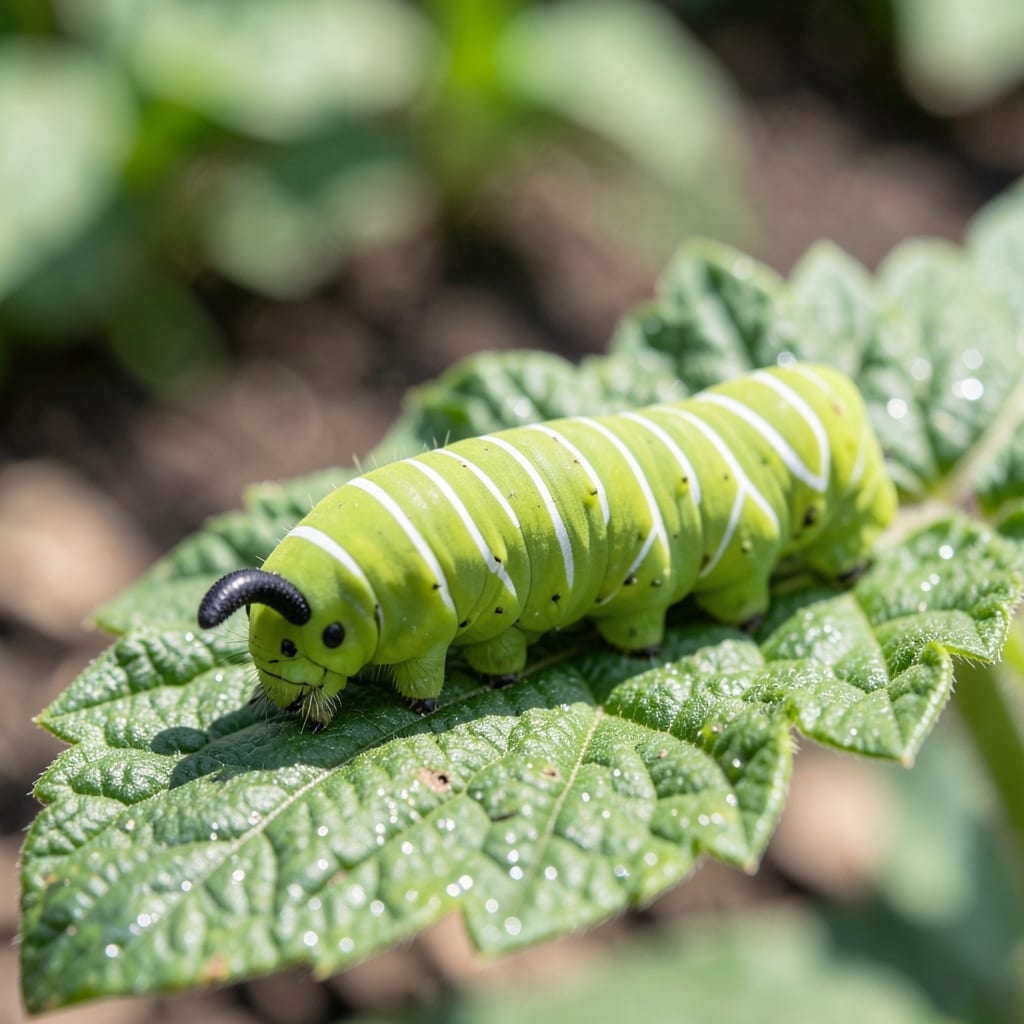
They look like alien invaders but they’re just hungry caterpillars. I first spotted hornworms munching through my tomato plants last summer, and the transformation from leaf-destroying pest to beautiful butterfly surprised me.
These green monsters with white stripes can strip a plant bare in days. The good news is they’re slow-moving and easy to spot if you know what to look for. Their damage appears as missing leaves and chewed stems overnight.
I’ve learned that hand-picking them off early morning works best. Drop them in soapy water or relocate them far from your garden. They’ll either become food for birds or transform into stunning moths.
Prevention is simpler than you think. Encourage natural predators like birds and parasitic wasps. Plant companion flowers that deter them. Two weeks of vigilance saves a season of work.
The transformation of a hornworm into a butterfly, or more accurately a hawkmoth (since hornworms pupate into moths, not butterflies), is a fascinating natural process driven by biology and environmental triggers. 🌱 Here’s why it occurs:
The primary driver is the caterpillar’s internal hormonal changes. As the hornworm (e.g., Manduca sexta) matures, it produces ecdysone, a hormone that signals the start of metamorphosis. This hormone prompts the caterpillar to stop feeding, empty its gut, and seek a safe pupation site. Without this biological cue, the transformation wouldn’t begin.
Timing is everything. Hornworms pupate when conditions are optimal: warm temperatures (typically 70–85°F), adequate food supply (like tomato or tobacco plants), and daylight cycles. Cooler weather or food scarcity can delay pupation, while extreme stress (e.g., predators or pesticides) may force premature burrowing.
Pupation is a survival strategy. By entering the soil as a pupa, the hornworm avoids predators and harsh weather. The dark, moist environment also protects it during its vulnerable transitional phase. This instinct ensures the next generation of hawkmoths can emerge safely.
Dealing with hornworm infestations in your garden can feel overwhelming, but these practical solutions will help you reclaim control naturally and effectively.
If you spot large, green caterpillars with white stripes and a “horn” on their rear, act fast. Inspect plants daily, especially tomatoes, peppers, and eggplants. Wear gloves and drop the pests into a bucket of soapy water. This method is 100% organic and prevents future butterfly generations.
Prevention tip: 💡 Encourage natural predators like birds, parasitic wasps, and ladybugs by planting companion flowers (e.g., marigolds, dill, or yarrow) nearby.
For a non-toxic approach, mix neem oil or Bacillus thuringiensis (Bt) with water and spray it directly on leaves, focusing on the undersides where eggs hide. Bt disrupts the caterpillars’ digestive systems, while neem oil repels adults from laying eggs.
Prevention tip: 🌡️ Apply sprays in the early morning or late evening to avoid harming bees and other pollinators.
Hornworms thrive in the same garden spots year after year. Rotate susceptible plants (like nightshades) with non-host crops such as beans or lettuce. This disrupts their life cycle and reduces future populations.
Prevention tip: ✨ Solarize soil in infested areas by covering it with clear plastic for 4–6 weeks during hot weather to kill pupae buried underground.
Protect young plants with floating row covers to block adult butterflies from laying eggs. Secure the edges with rocks or soil to prevent gaps. Remove covers once plants flower to allow pollination.
Prevention tip: 🎯 Check covers weekly for tears or gaps where pests might sneak in.
They transform into hawkmoths, not butterflies. These large, fast-flying moths have narrow wings and are important nighttime pollinators.
Look for dark green caterpillars with white stripes and a “horn” on their rear. Missing leaves and chewed stems are also telltale signs.
They primarily target nightshade plants like tomatoes, peppers, and eggplants. Other garden plants are usually safe from their appetite.
The pupation stage lasts about 2-4 weeks depending on temperature. Warmer conditions speed up the process, while cooler weather slows it down.