
Beautiful Plants For Your Interior
Beautiful Plants For Your Interior
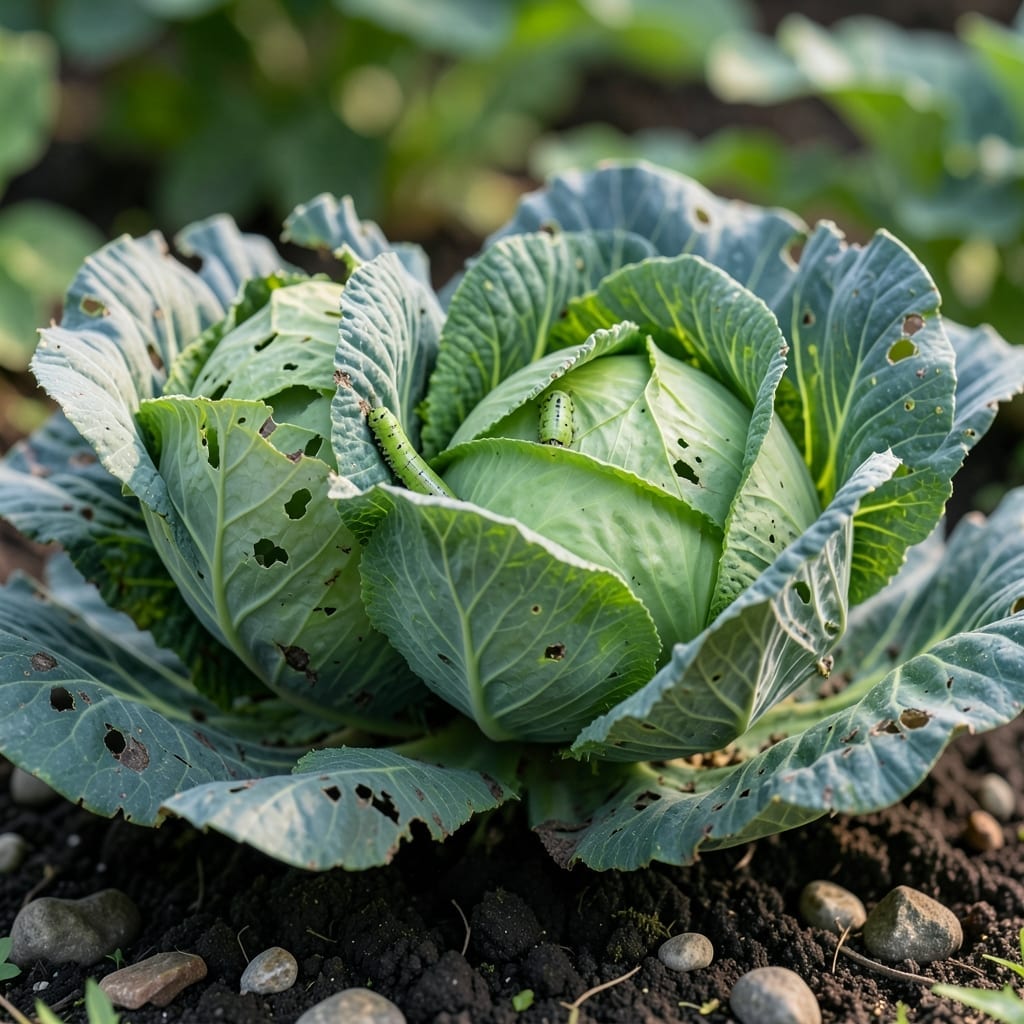
Woke up to Swiss cheese cabbage leaves? I’ve been there. 🌿 Tiny holes mean cabbage worms, jagged edges scream slugs, and overnight destruction points to earwigs or beetles.
Here’s the thing—you don’t need harsh chemicals. Handpick pests in the morning, set up beer traps for slugs, and use row covers to block flying invaders. Organic fixes work fast.
Prevention is simpler than cure. Plant thyme or mint nearby, rotate crops yearly, and keep the garden tidy. Healthy soil grows resilient plants that fight back.
You’ll see new growth within a week of consistent action. No more surrendering your harvest to hungry critters.
Cabbage leaves don’t develop holes on their own—something is always to blame. Below are the most common culprits, each with a clear scientific explanation and telltale signs to look for.
Trichoplusia ni (cabbage looper) and Pieris rapae (imported cabbageworm) are the primary insect pests. Their larvae chew irregular, ragged holes in the leaves as they feed. Loopers move in a distinctive “inching” motion, while cabbageworm caterpillars are velvety green with faint yellow stripes.
These tiny, jumping beetles (Phyllotreta spp.) create small, rounded “shotholes” in young cabbage leaves. They’re most active in cool, early-season conditions and often target seedlings, stunting growth if left unchecked.
Mollusks like Deroceras reticulatum (gray field slug) leave large, irregular holes with ragged edges, often accompanied by a shiny slime trail. They feed at night or during damp weather, preferring the tender inner leaves.
While less common, pathogens like Alternaria brassicae (alternaria leaf spot) can cause small, water-soaked lesions that expand into holes as tissue dies. These spots often have concentric rings or dark margins, distinguishing them from insect damage.
Extreme heat, water stress, or nutrient deficiencies (e.g., calcium) can weaken leaf tissue, making it more susceptible to tearing or secondary pests. However, true “holes” from stress alone are rare—usually, other factors are involved.
Dealing with holes in your cabbage leaves? Here’s how to tackle the most common causes and restore your plants to health.
Fix: Handpick larger pests like cabbage worms or slugs in the early morning or evening when they’re most active. For smaller invaders, spray leaves with neem oil or insecticidal soap, focusing on the undersides. Repeat every 3–5 days until pests are gone.
Prevention: Use row covers to block adult moths and butterflies from laying eggs. Companion planting with thyme, mint, or garlic can deter pests naturally. 💡
Fix: Apply Bacillus thuringiensis (Bt), a natural bacteria that targets loopers without harming beneficial insects. Spritz leaves thoroughly, as loopers hide in folds.
Prevention: Inspect plants weekly for eggs (tiny yellow dots) and remove them by hand. Encourage parasitic wasps by planting dill or yarrow nearby. ✨
Fix: Set up beer traps (bury a shallow dish filled with beer at soil level) or sprinkle diatomaceous earth around the base of plants. These methods create barriers slugs can’t cross.
Prevention: Water plants in the morning so soil is dry by evening (slugs thrive in damp conditions). Remove hiding spots like debris or boards near your garden. 🎯
Fix: If holes are due to wind or hail, trim damaged leaves to redirect energy to healthy growth. Use mulch to retain moisture and protect roots during extreme weather.
Prevention: Plant cabbage in a sheltered spot or use windbreaks like stakes with burlap. Ensure consistent watering to avoid stress-related vulnerability. 🌡️
Look for small, green caterpillars on leaf undersides or chewed, irregular holes. Cabbage worms also leave behind dark green frass (droppings) on leaves.
Neem oil is low-toxicity but can affect some beneficial insects like bees. Apply in the evening when pollinators are less active, and avoid spraying directly on flowers.
Inspect plants every 2-3 days during growing season, especially after rain. Early morning is best, as pests are most active and visible.
Yes! Planting thyme, mint, or dill nearby deters pests naturally. These also attract beneficial insects that prey on cabbage pests.