
Beautiful Plants For Your Interior
Beautiful Plants For Your Interior
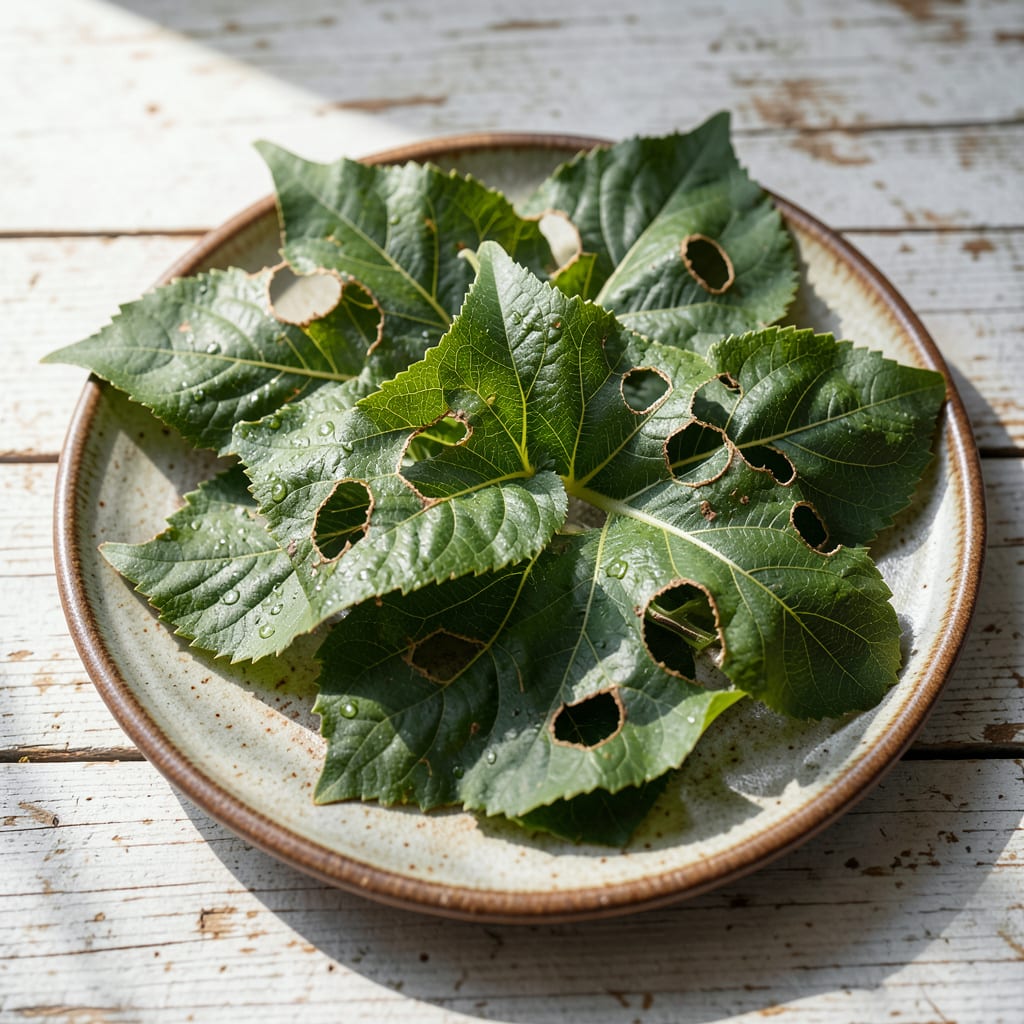
Nothing ruins a sunflower’s cheerful face like leaves full of holes. I’ve lost count of how many mornings I’ve walked the garden, only to find my tallest stalks under siege by something unseen.
Turns out, most holes come from pests like caterpillars, beetles, or slugs munching overnight. The damage looks random, but each critter leaves a signature—ragged edges, clean cuts, or slimy trails that give them away.
Once you spot the culprit, the fix is often simpler than you think. Handpick pests early, use row covers for prevention, or apply organic sprays at the first sign of trouble. Your sunflowers bounce back fast.
Works for single plants or a whole field. Here’s how to stop the snacking.
Sunflower leaves don’t develop holes on their own—something is always to blame. Below are the most common culprits, explained in plain terms so you can identify and address the issue quickly.
Chewing insects like sunflower beetles, caterpillars, and grasshoppers are primary offenders. These pests have mandibles designed to bite through leaf tissue, leaving behind irregular, ragged holes. Sunflower beetles, for example, target young leaves, while caterpillars (such as the sunflower moth larva) may skeletonize entire sections. Action: Inspect the undersides of leaves for eggs or larvae, and remove them by hand or apply neem oil for organic control.
These soft-bodied pests are nocturnal feeders, leaving large, smooth-edged holes in sunflower leaves. They also create silvery slime trails, a dead giveaway. Slugs and snails thrive in moist environments, so overwatering or dense mulch can exacerbate the problem. Action: Set up beer traps or use iron phosphate-based baits to reduce their numbers.
While less common, certain pathogens like Alternaria leaf spot or bacterial blight can cause small, water-soaked lesions that later dry out, resembling holes. These typically appear as dark, circular spots with yellow halos before the tissue dies and falls out. Action: Improve air circulation, avoid overhead watering, and apply copper-based fungicides preventatively.
Extreme weather—hail, high winds, or heavy rain—can physically tear leaves, mimicking pest damage. Additionally, nutrient deficiencies (e.g., potassium) may weaken leaf structure, making them more susceptible to tearing. Action: Protect young plants with row covers during storms and ensure balanced fertilization.
Dealing with holes in your sunflower leaves can be frustrating, but the right approach will have your plants thriving again. Below are targeted fixes for the most common causes, along with prevention tips to keep your garden healthy.
For beetles, caterpillars, or slugs, start with manual removal—pick off pests by hand or drop them into soapy water. For larger infestations, spray leaves with neem oil or insecticidal soap (follow label instructions). Prevention tip: 💡 Encourage beneficial insects like ladybugs by planting companion flowers (e.g., marigolds) nearby.
If holes are paired with spots or wilting, prune infected leaves with sterilized shears and dispose of them far from the garden. Apply a copper-based fungicide or baking soda spray (1 tsp baking soda + 1 quart water + a few drops of soap). Prevention tip: ✨ Avoid overhead watering—keep leaves dry to reduce disease risk.
Holes from wind or hail heal on their own, but you can stake tall sunflowers to minimize damage. For nutrient deficiencies, test soil and amend with compost or a balanced fertilizer. Prevention tip: 🎯 Mulch around the base to retain moisture and protect roots.
Birds and squirrels love sunflower seeds—netting or floating row covers can block access. For deer or rabbits, install a tall fence (at least 8 feet for deer). Prevention tip: 🌡️ Plant sunflowers away from wooded areas where wildlife congregates.
Act quickly at the first sign of trouble, and your sunflowers will reward you with vibrant, hole-free foliage!
Look for ragged, irregular holes and check leaf undersides for small, oval pests. Beetles often leave chewed edges and may be visible during the day.
Minor damage won’t kill the plant, but severe defoliation can weaken it. Act fast to control pests and support recovery with proper watering and fertilization.
Yes! Mix 1 tsp dish soap + 1 quart water for a simple spray, or use neem oil for organic control. Always test on a small area first.
