
Beautiful Plants For Your Interior
Beautiful Plants For Your Interior
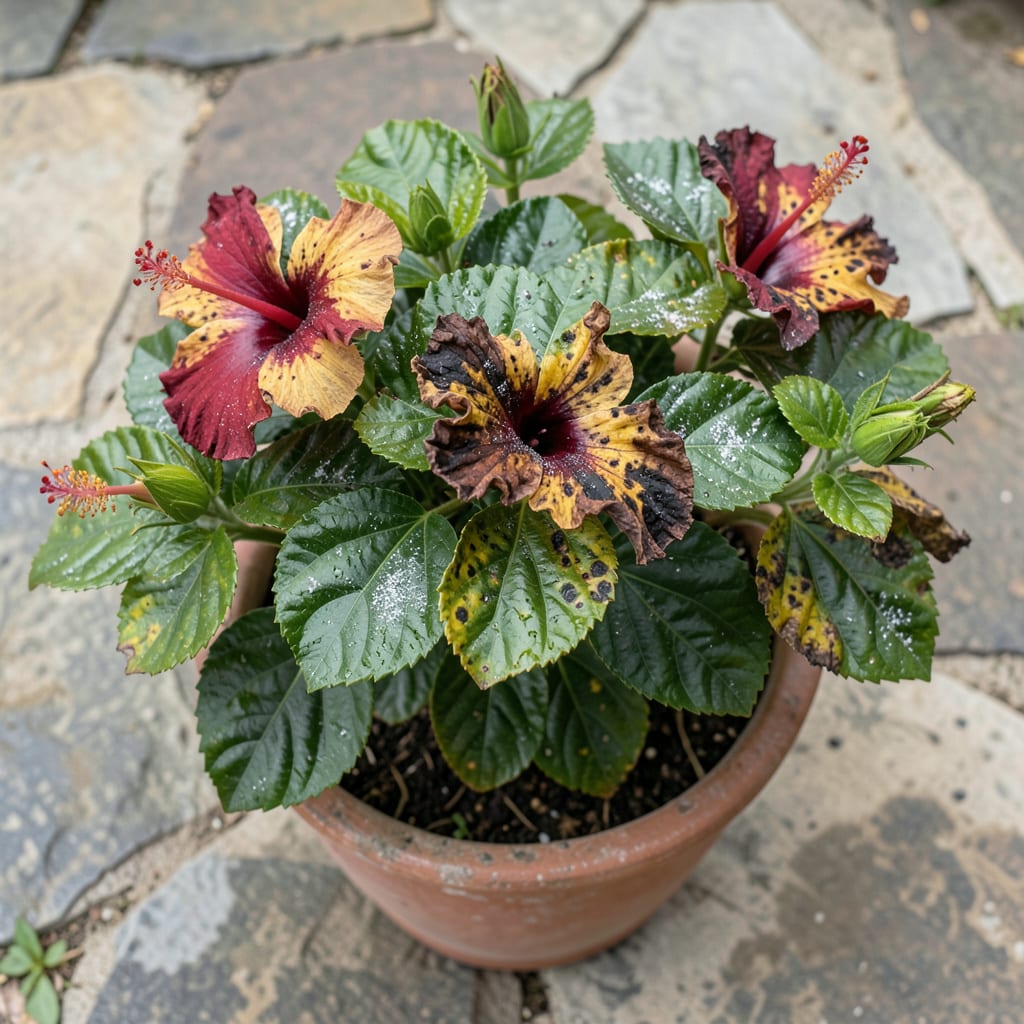
Yellowing leaves, black spots, or white powder shouldn’t mean the end for your hibiscus. I’ve saved countless plants by learning to read these warning signs early—before the damage spreads to the whole garden.
The key is matching symptoms to the right culprit: fungal infections show up as dark spots with yellow halos, while powdery mildew coats leaves in a white film. Each issue has a different fix, from adjusting watering to applying the right treatment at the right time.
You’ll spot problems faster with clear visual references, and catch them when they’re still manageable. Early action means your hibiscus bounces back with vibrant blooms instead of struggling through the season.
Works for all hibiscus varieties, from tropical to hardy types. Here’s how to diagnose like a pro.
Hibiscus plants are vibrant and hardy, but they can fall victim to various diseases. Understanding the root causes helps you prevent and treat these issues effectively. Below are the most common triggers behind hibiscus diseases, explained in clear, actionable terms.
Excess moisture is a leading cause of root rot and fungal diseases like Phytophthora. When soil stays soggy, oxygen can’t reach the roots, creating a perfect breeding ground for pathogens. Solution: Ensure pots have drainage holes and use well-draining soil. Water only when the top inch of soil is dry.
Humid, warm conditions encourage fungal spores (e.g., Powdery Mildew, Leaf Spot) and bacteria (e.g., Bacterial Blight) to thrive. These pathogens spread via water splashes, contaminated tools, or infected plant debris. Solution: Space plants for airflow, avoid overhead watering, and sterilize pruning tools with rubbing alcohol.
Pests like aphids, whiteflies, and spider mites weaken hibiscus by sucking sap, leaving plants vulnerable to secondary infections. Their honeydew also promotes sooty mold growth. Solution: Inspect leaves regularly, use insecticidal soap, or introduce beneficial insects like ladybugs.
Extreme temperatures, sudden temperature swings, or excessive sun can stress hibiscus, reducing their natural defenses. For example, sunscald causes brown patches, while cold drafts may trigger leaf yellowing. Solution: Provide partial shade in hot climates and protect plants from cold winds.
Lack of essential nutrients (e.g., magnesium or iron) leads to chlorosis (yellowing leaves) or stunted growth, making plants more susceptible to disease. Solution: Use a balanced, slow-release fertilizer and test soil pH (hibiscus prefers slightly acidic soil, pH 6.0–6.5).
Dealing with hibiscus plant diseases can be frustrating, but with the right approach, you can nurse your plant back to health. Below are practical solutions for the most common issues, paired with prevention tips to keep your hibiscus thriving. 🌿
Fix: Test your soil’s pH—hibiscus prefers slightly acidic soil (6.0–6.5). If the pH is off, amend with sulfur (to lower pH) or lime (to raise pH). For iron deficiency (a common cause), apply a chelated iron supplement or foliar spray.
Prevent: Use a balanced, acid-loving plant fertilizer regularly and ensure proper drainage to avoid waterlogged roots.
Fix: Spray leaves with a strong stream of water to dislodge mites, then apply neem oil or insecticidal soap every 5–7 days until gone. For severe infestations, use horticultural oil.
Prevent: Keep humidity high (mites thrive in dry conditions) and inspect leaves regularly, especially the undersides. 💡 Pro Tip: Introduce beneficial predators like ladybugs!
Fix: Remove and destroy infected leaves to prevent spread. Apply a copper-based fungicide or baking soda spray (1 tsp baking soda + 1 quart water + a drop of dish soap). Repeat weekly until symptoms clear.
Prevent: Water at the base of the plant (avoid wetting leaves) and space plants for good airflow. Sterilize pruning tools between cuts.
Fix: Stop watering immediately and let the soil dry out. If the rot is advanced, trim affected roots and repot in fresh, well-draining soil. Use a fungicide drench (like hydrogen peroxide solution) to kill remaining pathogens.
Prevent: Use pots with drainage holes and a gritty soil mix (e.g., perlite + peat). Water only when the top 1–2 inches of soil are dry.
Fix: Blast aphids off with water or wipe leaves with a soapy cloth. For stubborn cases, apply neem oil or introduce parasitic wasps (natural predators).
Prevent: Encourage beneficial insects (like lacewings) and avoid over-fertilizing, which attracts aphids. ✨ Bonus: Plant companion herbs like mint or basil nearby to repel pests.
Yellow leaves often signal chlorosis, usually caused by iron deficiency or incorrect soil pH. Test your soil—hibiscus thrives in pH 6.0–6.5. Use chelated iron or adjust pH with sulfur or lime.
Space plants for airflow, water at the base, and avoid overhead watering. Sterilize pruning tools and remove infected leaves immediately. A baking soda spray can help prevent fungal spot diseases.
Yes, especially in dry conditions. Check leaf undersides regularly. Dislodge mites with water and apply neem oil or insecticidal soap weekly until gone. Maintain humidity to deter them.
