
Beautiful Plants For Your Interior
Beautiful Plants For Your Interior
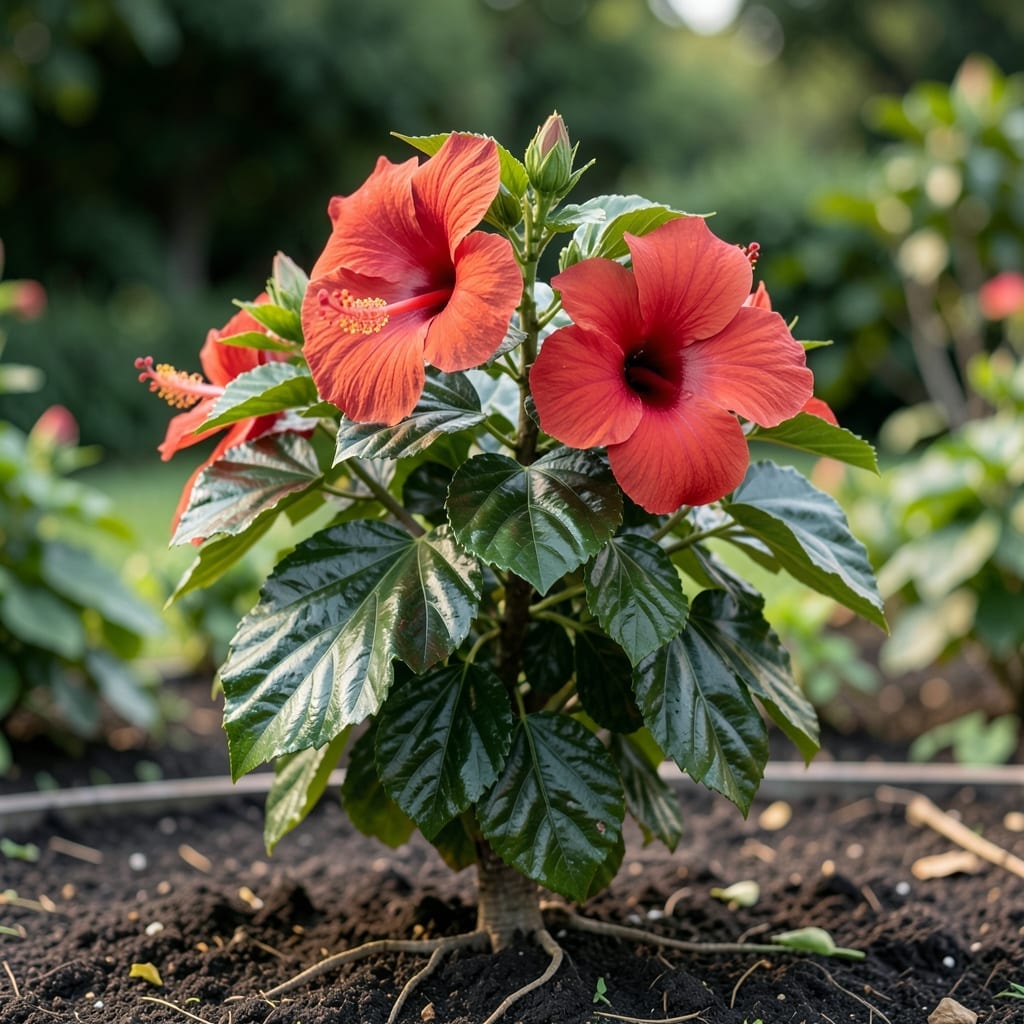
My hibiscus leaves started looking like maple leaves last summer, and I was stumped. Turns out, this odd shape shift is your plant’s way of waving a white flag.
It’s usually a sign of nutrient trouble or pest pressure, not some fancy new variety. I’ve seen this happen when plants get too much nitrogen or not enough potassium. A soil test confirmed my suspicion.
Once I adjusted the fertilizer and checked for pests, the new growth came back normal. The fix was simpler than I expected, but catching it early made all the difference.
If you spot this in your garden, don’t panic—your hibiscus isn’t doomed. It’s just asking for a little attention.
The hibiscus maple leaf remedy often becomes necessary due to several mechanical and environmental factors that disrupt leaf blower performance. Below are the primary causes, explained with actionable insights.
Leaf blowers generate significant heat during operation. When the engine overheats, it can trigger automatic shutdowns or reduce efficiency. This often happens due to clogged air filters or insufficient lubrication. The hibiscus maple leaf mixture helps cool the engine by improving airflow and reducing friction in moving parts.
Wet leaves, dirt, and small twigs can clog the blower’s intake or exhaust ports. This restricts airflow, forcing the engine to work harder and increasing wear. The natural properties of the hibiscus maple leaf remedy help break down organic debris, keeping pathways clear for optimal performance.
Poor-quality fuel or stale gasoline can leave residues that gum up the carburetor and fuel lines. This leads to sputtering, stalling, or failure to start. The hibiscus maple leaf remedy acts as a mild solvent, cleaning these components and restoring smooth fuel flow.
Insufficient or degraded oil increases friction between moving parts, accelerating wear and tear. The natural oils in the hibiscus maple leaf mixture provide supplementary lubrication, reducing strain on the engine and extending the blower’s lifespan.
Leaf blower troubles can often be resolved with simple, natural solutions. Here’s how to tackle common problems using hibiscus maple leaf and other easy fixes.
If your leaf blower sputters or loses power, a dirty air filter may be the culprit. Remove the filter and tap out debris, or rinse it with soapy water if it’s reusable. For stubborn grime, soak it in a mixture of warm water and crushed hibiscus maple leaves—their natural acids help break down residue. Prevention: Clean the filter after every 5-10 hours of use. 💡
Old or contaminated fuel can cause starting problems. Drain the tank and refill with fresh, high-quality gasoline mixed with the correct oil ratio (check your manual). Add a few dried maple leaves to the fuel canister—they absorb excess moisture. Prevention: Never store fuel for more than 30 days. Use fuel stabilizers if needed. 🎯
A fouled spark plug can prevent your blower from starting. Remove it, clean the electrodes with a wire brush, and check the gap (typically 0.025–0.030 inches). For a natural clean, rub the plug with a hibiscus leaf—its mild abrasiveness removes carbon buildup. Prevention: Replace the spark plug annually or after 25 hours of use. ✨
If your blower’s fan blades are nicked or worn, airflow suffers. Use a file to sharpen the edges, or replace them if damaged. Wipe blades with a hibiscus-infused cloth to prevent rust. Prevention: Inspect blades before each season and avoid hitting rocks or hard objects. 🌡️
With these steps, your leaf blower will run smoothly—naturally!
Clean it after every 5-10 hours of use. If operating in dusty conditions, check it more frequently. A clogged filter reduces efficiency and can cause overheating.
Dried leaves work best as they absorb moisture without adding extra liquid. Fresh leaves may introduce too much water, potentially causing fuel contamination.
Use an airtight container and add a fuel stabilizer if storing for more than 30 days. Keep it in a cool, dry place away from direct sunlight.