
Beautiful Plants For Your Interior
Beautiful Plants For Your Interior
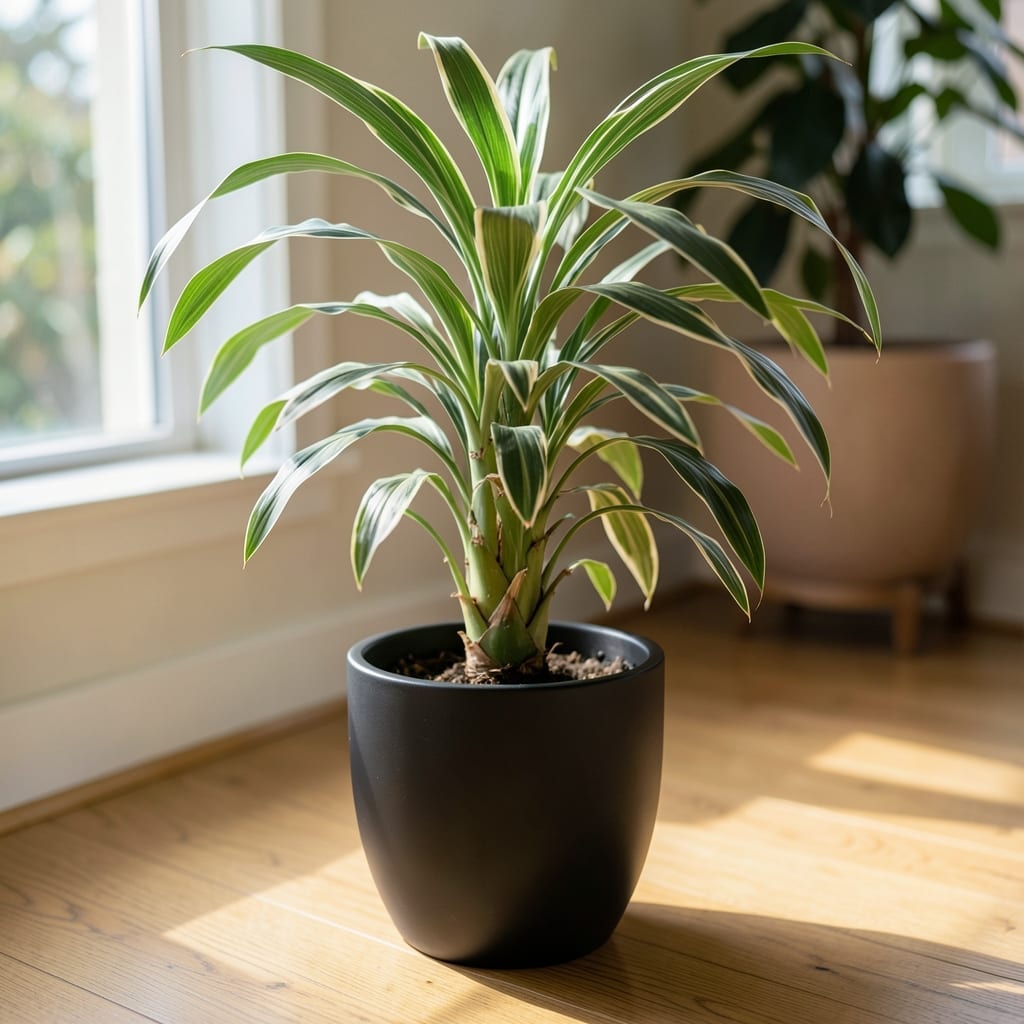
I transformed my dull corner into a tropical escape with this plant. Mass cane grows fast and stays healthy with minimal effort, making it perfect for both indoor and outdoor spaces.
Bright, indirect light and occasional watering keep it thriving. The tall, arching leaves add instant drama to any room or garden bed, and it tolerates a bit of neglect better than most houseplants.
📚 In This Guide
Here’s the method I rely on for establishing vigorous ornamental grass that thrives with minimal effort.
Choose a spot with full sun to partial shade—mass cane performs best with at least 6 hours of direct sunlight daily. I’ve found it tolerates a range of conditions but grows fastest in well-draining soil with consistent moisture. Avoid low areas where water pools, as soggy roots will stunt growth.
Test your soil by digging a 12-inch deep hole. If water remains after 24 hours, improve drainage with compost or sand. The ideal location has rich, loamy soil that feels crumbly in your hands, not hard-packed or muddy.
Clear the area of weeds and debris, then loosen the soil to a depth of 12-18 inches using a garden fork or tiller. This encourages deep root penetration, which is key for fast establishment. I work in a 2-3 inch layer of organic matter like compost to boost fertility.
Space plants 3-4 feet apart to allow for their mature spread. Mass cane grows quickly, so resist the urge to crowd them—overcrowding leads to competition for water and nutrients. Mark your planting spots with stakes or spray paint for precision.
Dig holes twice as wide as the root ball but no deeper. Place the plant in the hole, ensuring the top of the root ball sits 1 inch above the surrounding soil level to prevent settling. Backfill with native soil, pressing lightly to remove air pockets.
Water deeply immediately after planting, giving each plant 1-2 gallons of water. The soil should feel moist to a depth of 6 inches. For the first 2 weeks, keep the soil consistently damp but not waterlogged—check daily by sticking your finger in the soil.
Once established, mass cane is drought-tolerant but grows fastest with regular watering. I water deeply once a week, allowing the soil to dry slightly between waterings. Apply a 2-inch layer of mulch around the base to retain moisture and suppress weeds.
Fertilize in early spring with a balanced, slow-release product. Avoid high-nitrogen fertilizers, which can cause excessive leafy growth at the expense of the canes. Prune back dead or damaged canes in late winter before new growth emerges to maintain vigor and appearance.
Inspect plants weekly for signs of stress or pests. Yellowing leaves often indicate overwatering, while brown tips suggest underwatering. Mass cane is generally pest-resistant, but aphids or spider mites may appear in hot, dry conditions.
You’ll see new shoots emerging from the base in spring. These grow rapidly, adding height and density to your planting. If canes flop over, it may need staking or division—this typically happens in 3-4 years as clumps mature and expand.
Took me a few tries to get this right, so here’s what I learned.
Sunlight Strategy: That 6 hours of direct sunlight daily is non-negotiable for vigorous growth. I planted some in a shadier spot thinking it would adapt, but they grew sparse and weak. Full sun to partial shade means at least half a day of unobstructed light—morning sun is ideal as it’s less intense than afternoon heat.
Drainage Test Tip: The 24-hour drainage test in Step 1 is your best insurance against root rot. I skipped this once and lost two plants within a month. Dig that 12-inch deep hole after rain or watering, and if water lingers beyond 24 hours, amending the soil with compost is mandatory, not optional.
Spacing Wisdom: Those 3-4 feet apart in Step 2 might seem excessive when planting small starters, but mass cane expands rapidly. I crowded a few too close together and spent the next year dividing them. Trust the spacing—it prevents competition and gives each plant room to thrive.
Watering Discipline: The first 2 weeks of consistent moisture are critical for root establishment. I set phone reminders to check soil daily by feeling 6 inches down—if it’s dry at that depth, it’s time to water. After establishment, that once a week deep watering keeps them happy without encouraging shallow roots.
Healthy mass cane, or Pennisetum ‘Massau’, typically grows 2-3 feet per year under ideal conditions. With proper sunlight, water, and soil, it can reach its mature height of 4-6 feet in just 2-3 growing seasons.
Mass cane thrives in full sun to partial shade and well-drained soil. It tolerates drought once established but prefers consistent moisture. Hardiness zones 7-11 are ideal for this resilient ornamental grass.
Yes! Mass cane adapts well to large containers, making it great for patios or small spaces. Ensure the pot has drainage holes and use quality potting mix. Water more frequently than in-ground plants, as containers dry out faster.
Brown tips or leaves often signal underwatering, poor drainage, or winter burn in colder climates. Trim dead foliage in early spring to encourage new growth. Over-fertilizing or fungal issues can also cause browning—check soil and adjust care as needed.
For a similar tall, arching appearance, consider Miscanthus ‘Gracillimus’ or fountain grass (Pennisetum alopecuroides). Both offer ornamental appeal with slightly different textures and growth habits.