
Beautiful Plants For Your Interior
Beautiful Plants For Your Interior
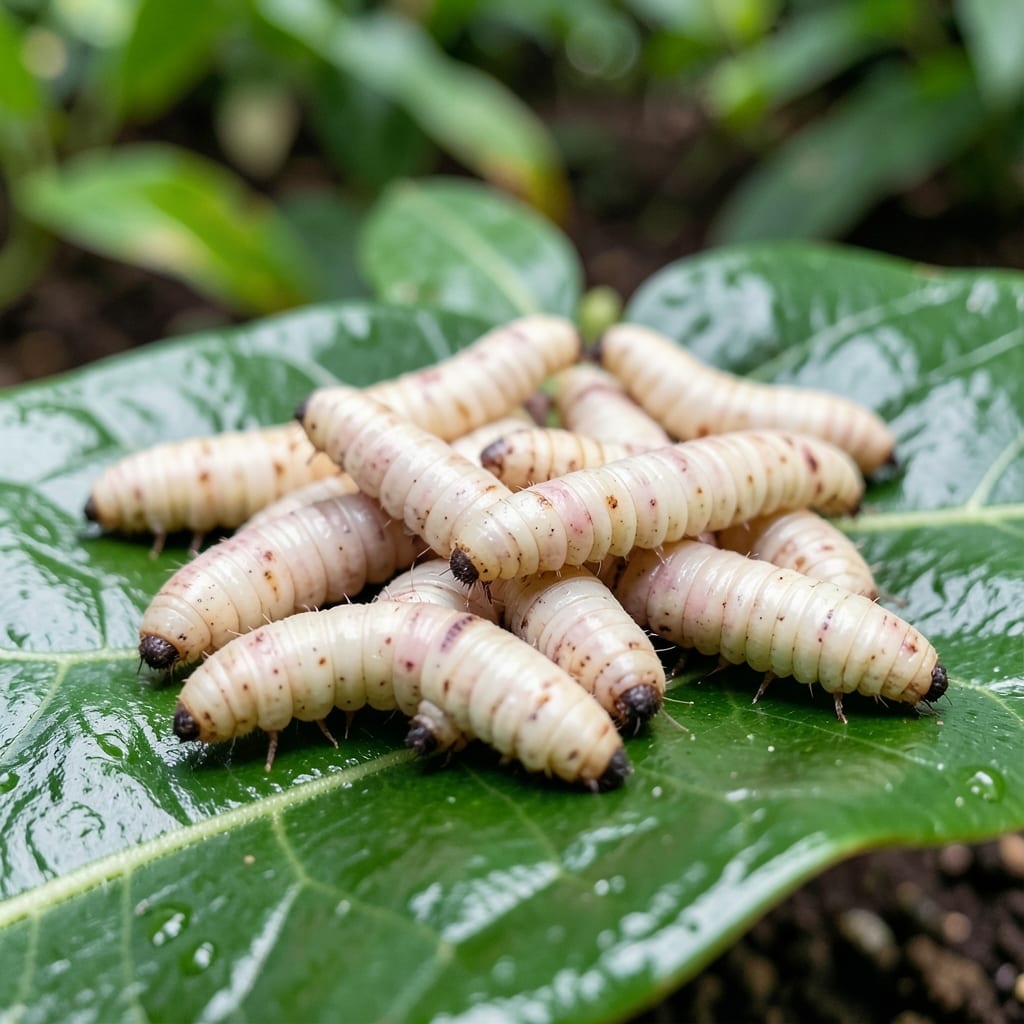
Nothing ruins a guava harvest faster than cutting open a ripe fruit to find tunnels and maggots inside. I learned the hard way that these pests start as eggs laid on young fruit, then bore in to feed and grow.
Early signs include tiny holes in the skin, oozing sap, or fruit dropping before ripening. The larvae are white with brown heads, and they’ll destroy 80% of your crop if left unchecked. Left alone, they’ll pupate in the soil and return next season.
I’ve tested several organic methods, but the most reliable is a combination of fruit bagging, neem oil sprays, and removing fallen fruit immediately. It’s not complicated, but timing is everything.
With consistent effort, you can break the cycle and protect your harvest. The key is catching them before they get inside the fruit.
Guava fruit worms are a frustrating problem for gardeners, but understanding their causes can help you prevent infestations. Here’s why these pests appear in your guava crop:
Fallen guava fruits and decaying plant matter create ideal breeding grounds for fruit fly species like Bactrocera dorsalis (oriental fruit fly) and Anastrepha spp. These pests lay eggs in rotting material, which later hatch into larvae that burrow into healthy fruits. Action: Remove and destroy fallen fruits immediately, and maintain clean orchard floors to disrupt their life cycle.
Guavas emit strong aromatic compounds as they ripen, attracting female fruit flies from miles away. Without protective measures, these insects pierce the fruit skin to lay eggs inside. Action: Use fine-mesh netting or paper bags to cover developing fruits, blocking access to egg-laying adults.
Tropical and subtropical regions—where guavas thrive—also provide perfect conditions for fruit fly proliferation. Temperatures between 77–86°F (25–30°C) and high humidity accelerate their reproductive cycle. Action: Monitor weather patterns and intensify preventive measures during peak warm seasons.
In monoculture guava orchards, the absence of biodiversity reduces the presence of parasitic wasps (e.g., Fopius arisanus) that naturally control fruit fly populations. Action: Introduce beneficial insects or plant companion species like marigolds to restore ecological balance.
By addressing these root causes, you can significantly reduce the risk of guava fruit worm infestations before they start.
Dealing with worms in your guava fruit can be frustrating, but these practical solutions will help you reclaim your harvest. Below are targeted fixes for common causes, along with prevention tips to keep your guavas worm-free.
If the infestation is mild, start with neem oil or spinosad sprays. Mix 1 tablespoon of neem oil with 1 gallon of water and a few drops of dish soap, then spray the fruit and leaves thoroughly. Reapply every 7–10 days, especially after rain. Pro tip 💡: Spray in the early morning or late evening to avoid harming beneficial pollinators.
Inspect your guava tree regularly and pick off any fruit showing signs of worm holes or soft spots. Drop them into a sealed bag and dispose of them far from your garden to break the life cycle of the pests. This prevents the larvae from maturing and spreading.
For severe cases, set up pheromone traps to catch adult fruit flies before they lay eggs. Place 2–3 traps per tree and check them weekly. Replace the lures as directed. This method is chemical-free and highly effective for long-term control.
Keep the area around your guava tree clean. Rake fallen fruit and leaves daily to eliminate breeding grounds. Apply a layer of mulch to deter pests from laying eggs in the soil. Bonus ✨: A clean environment also reduces fungal diseases that can attract worms.
Prevention Tips:
Look for tiny holes in the skin, oozing sap, or fruit dropping early. Cutting open the fruit may reveal tunnels or white larvae with brown heads inside.
No, washing only removes surface dirt. Once worms are inside the fruit, they’re protected and continue feeding. Discard infested fruit immediately to prevent spreading.
Spray in the early morning or late evening to avoid harming pollinators. Reapply every 7–10 days, especially after rain, for best results.