
Beautiful Plants For Your Interior
Beautiful Plants For Your Interior
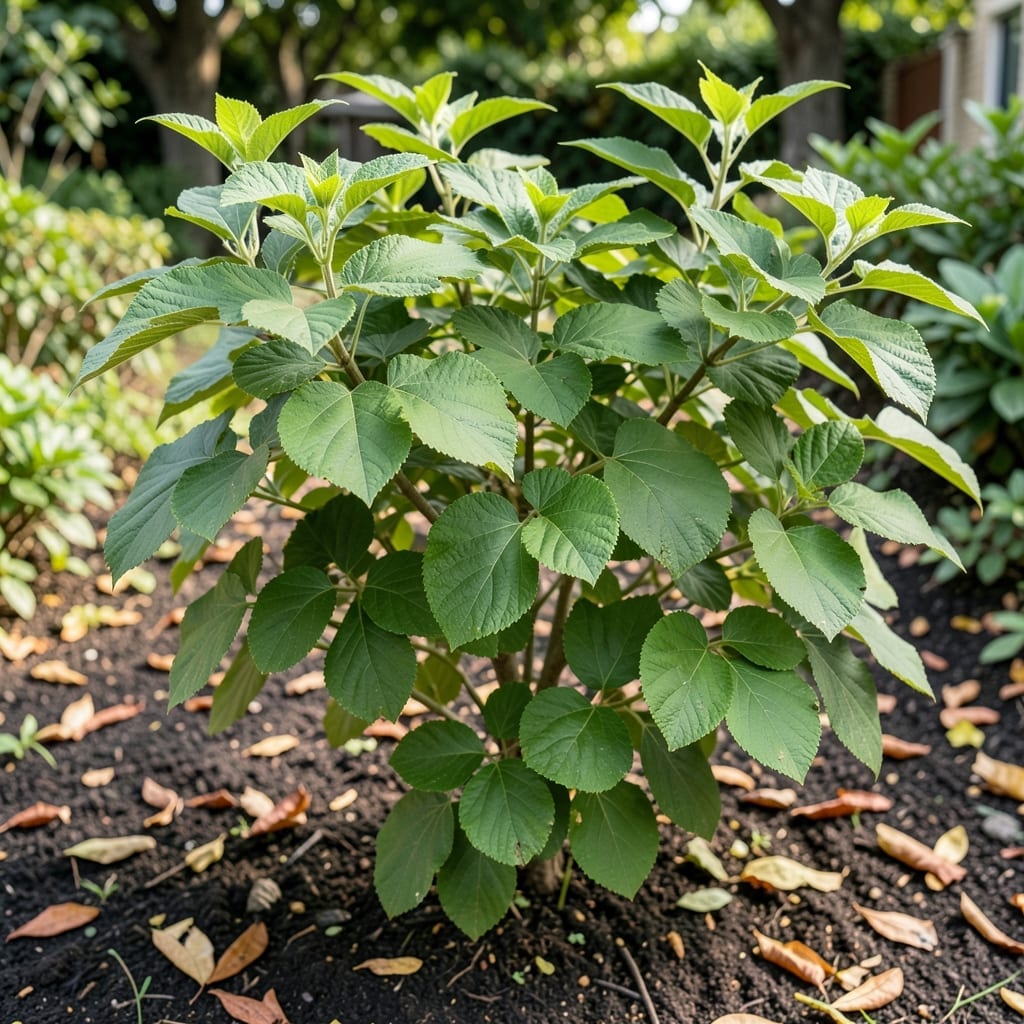
Grewia asiatica leaves caught my attention after noticing their unique shape and resilience. These tough plants thrive with minimal care, but they do face specific challenges that gardeners should watch for.
Yellowing or spotted leaves often signal pest issues or improper watering. I’ve found that consistent moisture and regular inspections keep most problems at bay, ensuring healthy growth all season long.
📚 In This Guide
Here’s the method I’ve refined for growing this traditional plant with optimal results.
Choose a spot with full sun to partial shade—this plant thrives in bright conditions but tolerates some afternoon shade in hotter climates. The soil should be well-draining and slightly acidic to neutral (pH 6.0-7.0). I’ve found that sandy loam works best, as it prevents waterlogging which can rot the roots.
If your soil is heavy clay, amend it with compost or coarse sand to improve drainage. A raised bed can also help if your garden has poor drainage. You’ll know the location is right when the soil stays moist but never soggy after watering.
Dig a hole twice as wide and deep as the root ball. Place the plant in the hole, ensuring the top of the root ball is level with the surrounding soil. Backfill with the amended soil, pressing down gently to remove air pockets. Water thoroughly after planting to settle the soil around the roots.
Space multiple plants 6-8 feet apart to allow for mature growth. Grewia asiatica can spread widely, so giving it room ensures proper air circulation and reduces disease risk. You’ll see new growth within 2-3 weeks if the planting conditions are ideal.
Water deeply once or twice a week, depending on your climate and soil. The goal is to keep the soil evenly moist but not waterlogged. I check by sticking my finger 2 inches into the soil—if it feels dry, it’s time to water.
During the first growing season, pay extra attention to moisture levels. Once established, the plant becomes more drought-tolerant, but consistent watering during dry spells encourages healthy leaf production. You’ll notice the leaves looking vibrant and firm when watered properly.
Apply a balanced, slow-release fertilizer in early spring, following the package instructions. I prefer organic options like compost or well-rotted manure, which improve soil structure while providing nutrients. Avoid over-fertilizing, as this can lead to excessive leafy growth at the expense of overall plant health.
Mulch around the base with 2-3 inches of organic mulch, such as wood chips or straw. This retains moisture, suppresses weeds, and regulates soil temperature. Keep the mulch a few inches away from the stem to prevent rot. You’ll see a difference in soil moisture retention within a week.
Prune in late winter or early spring to remove dead, diseased, or crossing branches. This encourages new growth and maintains the plant’s shape. Use clean, sharp pruning shears to make cuts at a 45-degree angle just above a leaf node or branch junction.
Regular maintenance also includes removing any suckers that sprout from the base. This keeps the plant focused on producing healthy foliage. You’ll notice the plant responding with vigorous growth within 4-6 weeks after pruning.
Here’s what I’ve learned through trial and error to help you cultivate this plant successfully.
Location Selection: In Step 1, choosing a spot with full sun to partial shade is critical. This plant thrives in bright conditions but can handle afternoon shade in hotter climates. Test your soil’s pH—aim for 6.0-7.0 for best results, as sandy loam prevents waterlogging that can rot the roots.
Planting Depth: For Step 2, dig a hole twice as wide and deep as the root ball. Placing the plant too deep or too shallow can stress it. Space plants 6-8 feet apart to ensure proper air circulation and reduce disease risk, which is especially important as Grewia asiatica can spread widely.
Watering Wisdom: In Step 3, watering deeply once or twice a week is ideal. Stick your finger 2 inches into the soil to check moisture—if it feels dry, it’s time to water. Overwatering can be just as harmful as underwatering, so aim for evenly moist but not soggy soil.
Pruning Precision: Step 5 emphasizes pruning in late winter or early spring. Use sharp pruning shears to make cuts at a 45-degree angle just above a leaf node. This encourages new growth and maintains shape, and you’ll see vigorous growth within 4-6 weeks after pruning.
Grewia asiatica leaves are traditionally used to treat inflammation, pain, and skin disorders. They’re also valued in folk medicine for wound healing and as a natural anti-diabetic agent.
Yes, studies suggest the leaves may help regulate blood sugar levels due to their antioxidant and hypoglycemic properties. However, consult a healthcare provider before use.
Steep 5-10 fresh or dried leaves in hot water for 10 minutes. Strain and drink. For stronger benefits, add honey or ginger.
Generally safe in moderation, but excessive use may cause stomach upset or interact with medications. Pregnant or nursing women should avoid it.
Alternatives include neem leaves (antibacterial), moringa (anti-inflammatory), or fenugreek (anti-diabetic). Always research or consult an expert before substituting.