
Beautiful Plants For Your Interior
Beautiful Plants For Your Interior
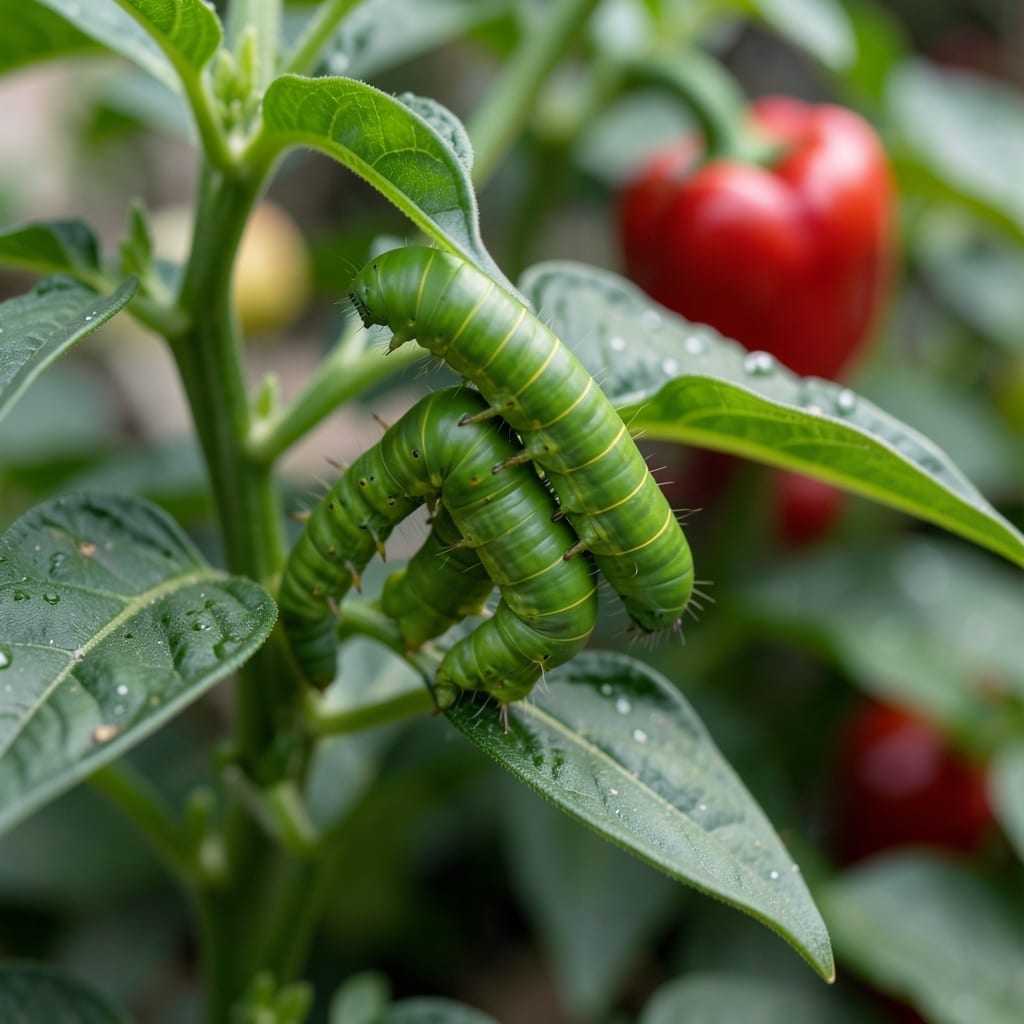
I found my first green worm on a pepper plant during a routine morning check. They blend in perfectly, but the damage—a few chewed leaves—gave them away immediately.
These pests multiply quickly if ignored. Left unchecked, they’ll strip plants overnight. The good news? Organic control works fast when you catch them early.
Hand-picking works for small infestations. For bigger problems, I use a simple spray that targets only the worms, not beneficial insects.
Your peppers can bounce back within a week with the right approach. Here’s how to spot them before they cause real trouble.
Green worms on pepper plants are most commonly the larvae of Hornworms (Manduca sexta) or Loopers (Trichoplusia ni), but their presence is rarely random. Several key factors create the perfect conditions for these pests to thrive.
Stressed pepper plants—whether from overcrowding, poor soil, or inconsistent watering—emit chemical signals that attract moths looking for egg-laying sites. Weak plants also lack the vigor to resist larval feeding, making them easy targets. Solution: Space plants 18–24 inches apart and maintain healthy soil with compost or organic fertilizer.
Adult hornworm and looper moths are most active at dusk and dawn, laying eggs on the undersides of leaves. These eggs hatch into green worms within 3–5 days, especially in warm, humid conditions (75–85°F). Action: Inspect plants with a flashlight at twilight to catch and remove moths or egg clusters early.
In gardens without beneficial insects like parasitic wasps, ladybugs, or lacewings, worm populations explode unchecked. These predators naturally regulate larvae by laying eggs inside them or feeding on young caterpillars. Fix: Plant companion flowers (e.g., dill, marigolds) to attract predatory insects.
Growing peppers in isolation (a monoculture) removes biodiversity barriers that disrupt pest life cycles. Moths can easily locate and infest a single crop type. Tip: Interplant peppers with basil, nasturtiums, or onions to mask their scent and confuse pests.
Tackling green worms on your pepper plants is manageable with the right approach. Below are targeted solutions based on common causes, along with prevention tips to keep your plants healthy.
If you spot tomato hornworms or other green caterpillars, the simplest fix is to handpick them off the plants. Drop them into a bucket of soapy water to ensure they don’t return. Check plants daily, especially under leaves where worms hide. Prevention tip: 💡 Encourage natural predators like birds or parasitic wasps by planting companion flowers such as marigolds or dill.
For a larger infestation, apply neem oil or insecticidal soap directly to the worms and affected areas. Spray in the early morning or late evening to avoid harming beneficial insects. Reapply every 5–7 days or after rain. Prevention tip: 🌡️ Rotate crops yearly to disrupt pest life cycles and reduce future outbreaks.
Release ladybugs, lacewings, or parasitic wasps into your garden to naturally control worm populations. These predators feed on worm eggs and larvae, keeping numbers in check. Prevention tip: ✨ Avoid broad-spectrum chemical pesticides, which can kill helpful insects alongside pests.
Protect young plants with floating row covers to prevent adult moths from laying eggs. Remove covers when plants flower to allow pollination. Prevention tip: 🎯 Keep the garden free of debris and weeds, where pests often overwinter.
With consistent effort, your pepper plants can thrive—worm-free!
Check the undersides of leaves daily for small, pale eggs or tiny worms. Look for dark droppings or chewed leaves, especially near the top of the plant where they start feeding.
Yes, if left unchecked. They can defoliate plants quickly and even eat the peppers themselves. Act fast to prevent significant crop loss.
Use organic options like neem oil first. Chemical pesticides can kill beneficial insects and may leave residues. Always follow label instructions carefully.
Rotate crops yearly, remove plant debris, and encourage natural predators with companion planting. These steps break the pest lifecycle effectively.