
Beautiful Plants For Your Interior
Beautiful Plants For Your Interior
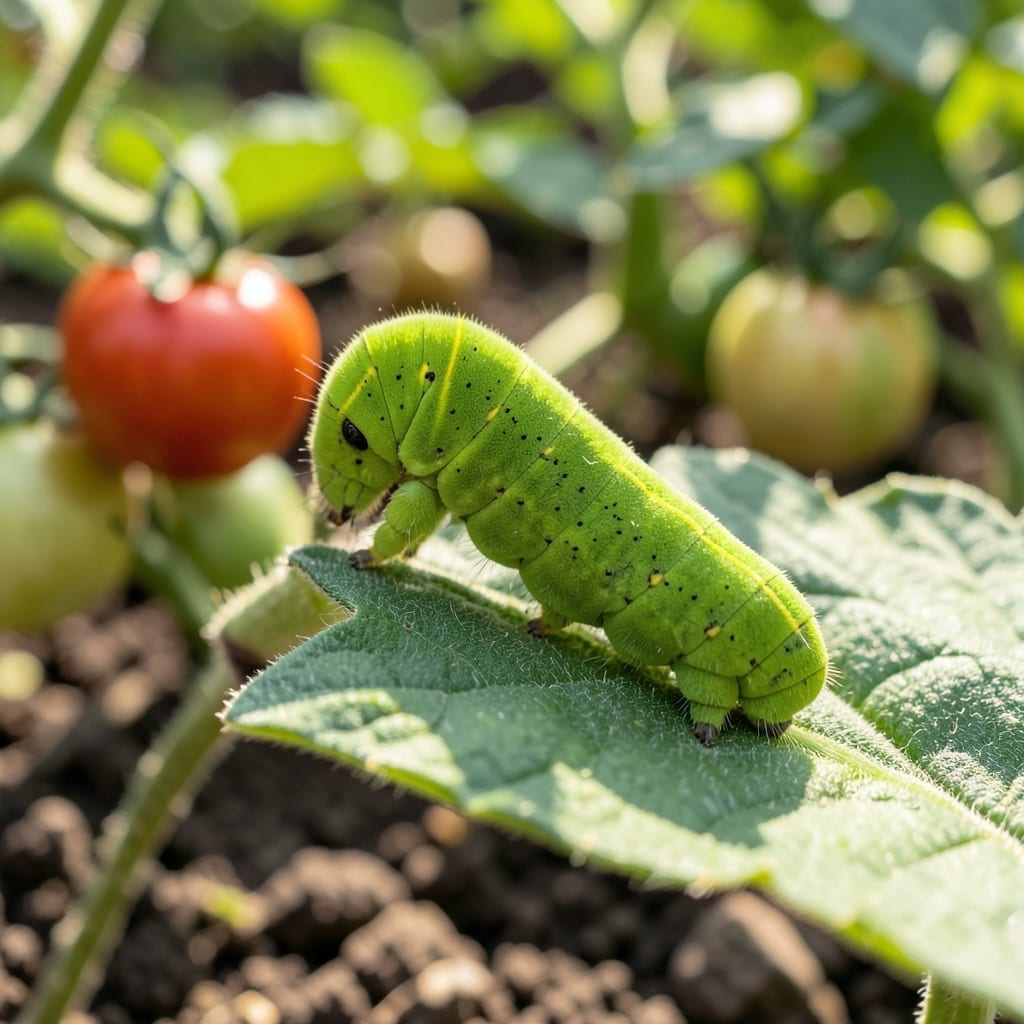
Spotted a green worm-like bug munching on your plants? I’ve been there—watching leaves disappear overnight is frustrating, but most of these pests are easy to identify and control once you know what you’re dealing with.
These critters are often caterpillars or sawfly larvae, and they target everything from tomatoes to roses. The good news? You don’t need harsh chemicals to stop them. A little observation and the right approach can save your garden fast.
I’ve tested hand-picking, natural sprays, and barriers—all with great results. The key is acting early before they multiply. A few simple steps now can prevent a full-blown infestation later.
No matter your experience level, this guide will help you ID the pest and reclaim your plants. Here’s how to tackle it head-on.
The presence of green worm-like bugs in your garden or home often stems from environmental or biological factors. Below are the most common causes, explained scientifically for clarity and actionability.
These pests thrive in moist, shaded areas where plants are tightly packed. Dense foliage traps humidity, creating an ideal breeding ground for insects like caterpillars or sawfly larvae, which often appear green and worm-like. Regular pruning and spacing plants improve airflow, reducing their appeal.
Decaying leaves, mulch, or compost piles attract green worm-like bugs by providing food and shelter. Many species, such as inchworms or armyworms, feed on decomposing plant matter. Removing debris and maintaining clean garden beds disrupts their lifecycle.
Overwatering or poor drainage creates damp conditions that these bugs love. Species like cutworms or loopers are drawn to wet soil and damp plant stems. Ensuring proper drainage and avoiding waterlogging can deter their presence.
A garden lacking birds, ladybugs, or parasitic wasps may experience unchecked growth of green worm-like pests. These predators naturally control their populations. Introducing birdhouses or planting pollinator-friendly flowers can restore balance.
Dealing with green worm-like bugs in your garden or home can be frustrating, but these practical solutions will help you tackle the issue effectively. Below are targeted fixes for common causes, along with prevention tips to keep them from returning.
If excess moisture is attracting these pests, start by reducing watering frequency and ensuring your soil has proper drainage. Use a well-draining potting mix or amend garden soil with compost and sand. Prevention tip: 💡 Water plants in the morning to allow soil to dry out during the day, discouraging bug activity.
Green worm-like bugs often thrive in decaying leaves, mulch, or plant debris. Remove fallen leaves, weeds, and rotting matter from your garden or home’s foundation. Keep compost bins sealed and away from your house. Prevention tip: 🎯 Regularly rake and dispose of yard waste to eliminate hiding spots.
If these bugs are sneaking indoors, inspect your home for cracks in walls, gaps around windows, or loose door seals. Use caulk or weatherstripping to seal entry points. Install door sweeps and repair torn screens. Prevention tip: ✨ Check for gaps annually, especially before warmer months when pests are most active.
Inspect plants for signs of infestation, such as chewed leaves or visible bugs. Prune affected areas and dispose of them in a sealed bag. For severe cases, remove the entire plant to prevent spreading. Prevention tip: 🌡️ Introduce natural predators like ladybugs or use neem oil spray as a deterrent.
By addressing the root cause and following these steps, you can safely and effectively manage green worm-like bugs while keeping your garden and home pest-free.
Caterpillars have true legs on the thorax and prolegs on the abdomen, while sawfly larvae have more than 5 pairs of prolegs. Sawfly larvae also tend to move in a looping motion.
Yes, most feed on leaves and can quickly skeletonize plants if left unchecked. Early action prevents severe damage.
Hand-pick them off plants and drop them into soapy water. For larger infestations, use neem oil or BT (Bacillus thuringiensis) spray.
They may return if eggs were laid. Prevent this by cleaning garden debris in fall and using row covers in spring.