
Beautiful Plants For Your Interior
Beautiful Plants For Your Interior
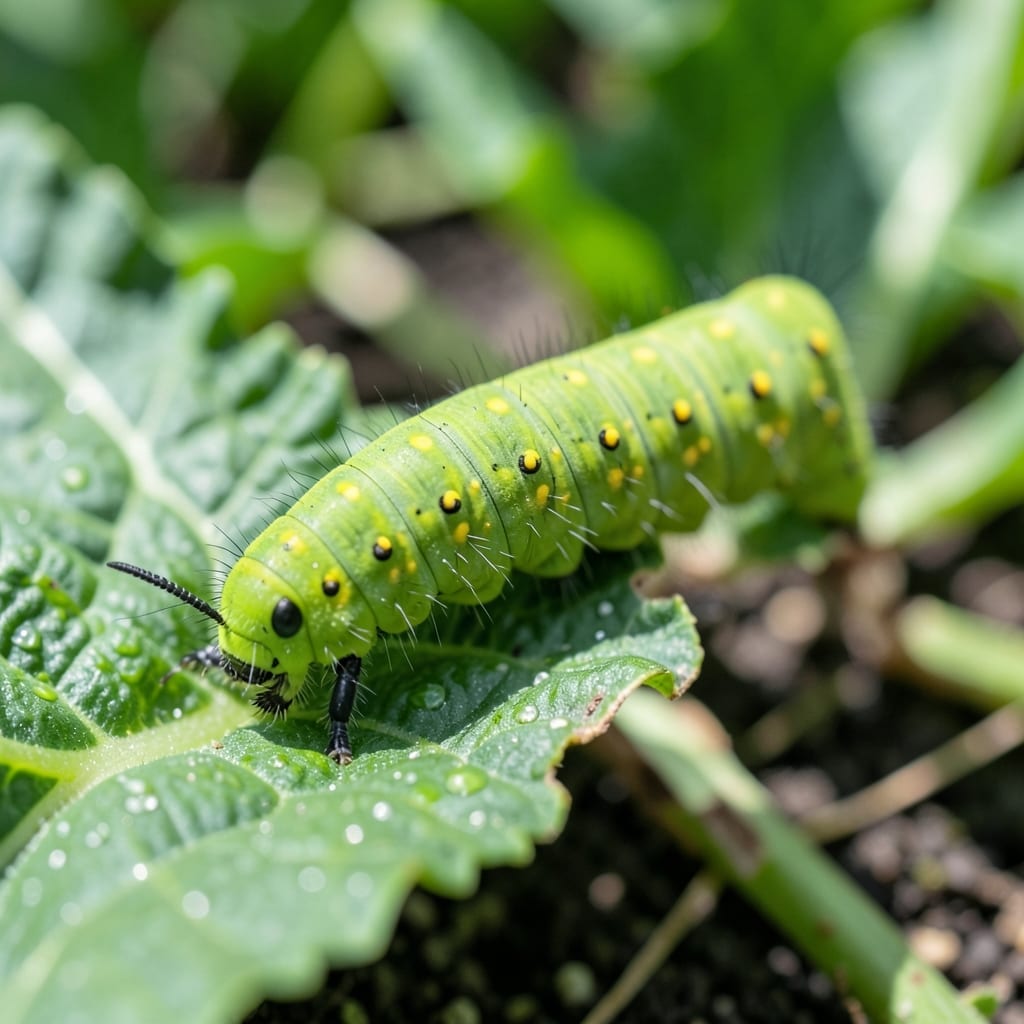
Spotted a green caterpillar with yellow spots on your plants? I’ve been there—watching my kale turn into Swiss cheese overnight. These pests are likely cabbage loopers or tomato hornworms, and they’re hungry for your garden.
They chew through leaves, flowers, and even fruit, leaving behind ragged edges and holes. Left unchecked, a small infestation can defoliate a plant in days. The good news? You can stop them without harsh chemicals.
Handpicking works for small gardens, but for bigger outbreaks, try organic sprays like Bacillus thuringiensis (Bt). It’s safe for plants and pollinators but deadly to caterpillars.
Prevention is simpler: keep your garden clean, rotate crops, and inspect plants regularly. A little vigilance goes a long way in keeping these pests at bay.
The vibrant yellow spots on a green caterpillar are typically a result of natural biological and ecological factors. These markings serve specific purposes in the caterpillar’s survival and development. Below are the primary causes, explained with scientific precision.
Many caterpillars, including species like the Swallowtail or Monarch, develop yellow spots as a form of aposematic coloration. This is an evolutionary adaptation where bright colors signal to predators that the caterpillar may be toxic or unpalatable. The contrast between green and yellow enhances visibility, deterring potential threats.
The presence of yellow spots is often species-specific and dictated by genetics. For example, the Papilio machaon (Old World Swallowtail) caterpillar has distinct yellow and black markings due to its genetic makeup. These patterns are inherited and consistent within the species, aiding in identification and mating.
A caterpillar’s diet can influence its coloration. Some caterpillars consume host plants rich in carotenoids or other pigments, which can enhance or alter the intensity of yellow spots. For instance, caterpillars feeding on citrus leaves may exhibit brighter yellow markings due to the high carotenoid content in their diet.
Yellow spots may also mimic the appearance of eyes or other intimidating features, a tactic known as mimicry. This can startle predators or make the caterpillar appear larger or more threatening. For example, the Io Moth caterpillar has red and yellow spots that resemble eyes, deterring birds and other predators.
If you’ve spotted a green caterpillar with yellow spots wreaking havoc in your garden, don’t panic. Here’s how to tackle the issue step by step, with practical fixes and prevention tips to keep your plants safe.
Start by inspecting your plants daily, especially the undersides of leaves where caterpillars love to hide. Wear gloves and pluck them off by hand, dropping them into a bucket of soapy water. This is the most eco-friendly method and works best for small infestations.
Prevention tip: 💡 Encourage natural predators like birds, ladybugs, and parasitic wasps by planting native flowers or setting up a birdbath.
For larger outbreaks, apply neem oil or Bacillus thuringiensis (Bt)—a natural bacteria that targets caterpillars without harming other insects. Spray in the early morning or late evening for best results, and reapply after rain.
Prevention tip: ✨ Rotate your crops yearly to disrupt the caterpillar life cycle and reduce future infestations.
Protect vulnerable plants with floating row covers or fine mesh netting. Secure the edges with soil or rocks to prevent caterpillars from crawling underneath. This is especially effective for vegetable gardens.
Prevention tip: 🎯 Remove plant debris and weeds at the end of the season to eliminate overwintering spots for eggs and pupae.
While chemical pesticides can work, they often harm beneficial insects and pollinators. If you must use them, opt for targeted, low-toxicity options and apply only to affected areas.
Prevention tip: 🌡️ Keep your garden healthy with proper watering and fertilization—strong plants are less susceptible to pests.
Yes, it can cause significant damage by chewing leaves, flowers, and even fruit. A few may not be a problem, but a large infestation can defoliate plants quickly.
Check for other markings, size, and host plants. Common types include cabbage loopers (smooth, pale green) or tomato hornworms (larger, with a “horn”).
Most likely a moth, as many green caterpillars with yellow spots belong to moth species. Butterflies usually have more vibrant, varied patterns.
Handpick them and drop into soapy water, or use Bt (Bacillus thuringiensis) spray for organic control. Avoid chemical pesticides to protect pollinators.