
Beautiful Plants For Your Interior
Beautiful Plants For Your Interior
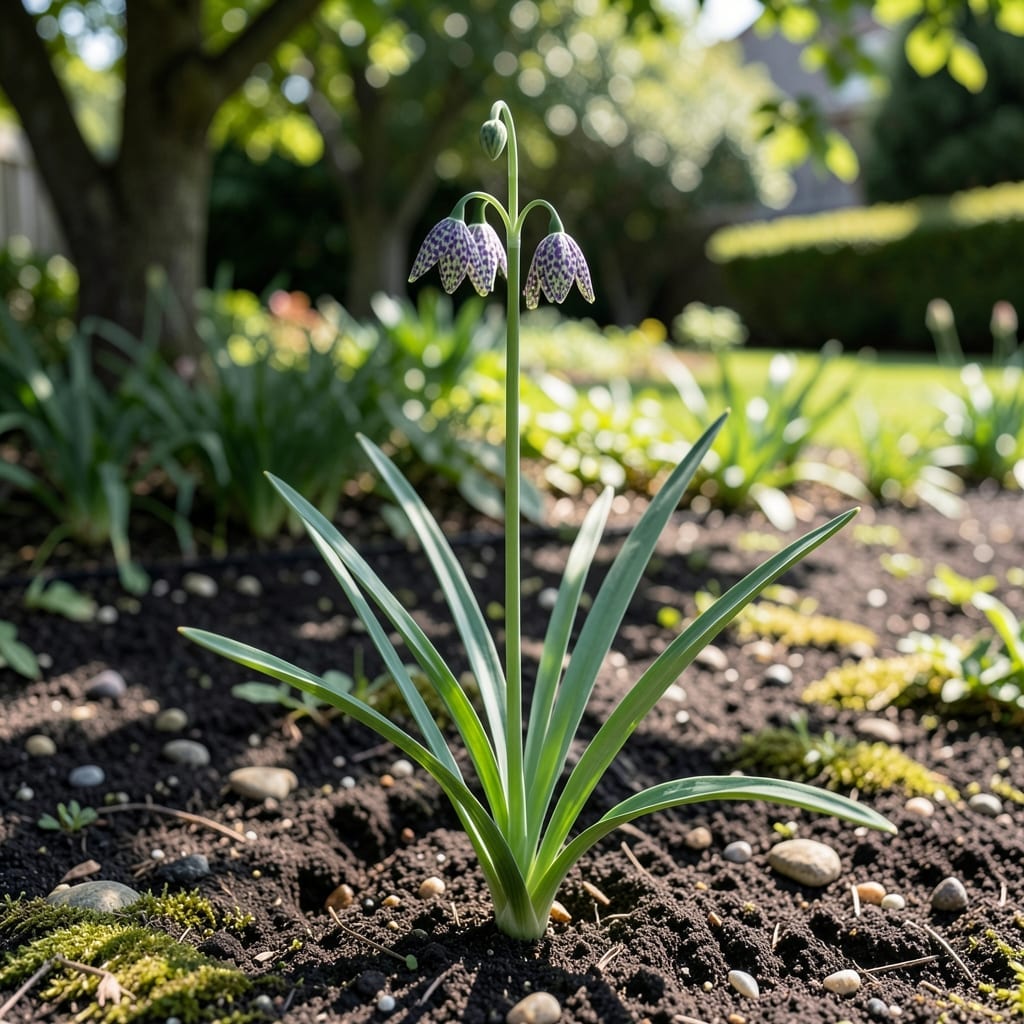
There’s something magical about green bell-shaped flowers swaying in the garden. I first noticed them tucked between brighter blooms, their subtle color standing out in the most unexpected way.
These unique plants thrive in partial shade and moist soil, making them perfect for wooded areas or shady borders. They’re low-maintenance once established, and their delicate shape adds texture to any space.
You’ll love how they attract pollinators while offering a refreshing break from traditional flower colors. Their understated elegance creates a calming, natural look that feels effortlessly wild.
From fritillaria to foxglove, varieties exist for every garden style. Here’s how to grow and care for them with ease.
The unique green bell-shaped flowers you see in your garden often develop due to specific genetic, environmental, or care-related factors. Below are the most common causes, explained with actionable insights.
Some plants, like Fritillaria or Hellebores, naturally produce green, bell-like blooms due to their genetic makeup. These species have evolved to attract pollinators with subtle hues rather than bright colors. If your plant is a known green-flowering variety, this is simply its natural expression—no intervention is needed.
Insufficient light can cause flowers to retain chlorophyll, giving them a green tint. Bell-shaped blooms (e.g., Digitalis or Campanula) may turn greenish if grown in deep shade. Action: Relocate the plant to a spot with partial to full sun (4–6+ hours daily) to encourage vibrant coloration.
Excess nitrogen promotes leafy growth at the expense of flower pigmentation, leading to green-tinged petals. Test your soil—if nitrogen levels are high, switch to a low-nitrogen, phosphorus-rich fertilizer (e.g., 5-10-5 NPK) to restore balance and support proper blooming.
Cool temperatures (below 50°F/10°C) can slow pigment development in flowers, leaving them green. Protect tender species with mulch or row covers during unexpected cold snaps. For heat-loving plants, ensure daytime temps stay above 60°F (15°C).
If your green bell-shaped flowers are looking lackluster, these targeted fixes will bring them back to life. Below, we address the most common issues with simple, actionable solutions.
Cause: Underwatering or heat stress. Fix: Water deeply at the base in the early morning to allow roots to absorb moisture before the heat peaks. Add a 2-inch layer of mulch to retain soil moisture. For potted plants, ensure the container has drainage holes to prevent soggy roots.
Prevention Tip: 💡 Check soil moisture by inserting your finger 1 inch deep—if it feels dry, it’s time to water.
Cause: Overwatering or nutrient deficiency. Fix: Reduce watering frequency and let the topsoil dry out between sessions. If the issue persists, test the soil pH (ideal: 6.0–7.0) and amend with a balanced, slow-release fertilizer (10-10-10). Avoid high-nitrogen formulas, which can promote leaf growth over blooms.
Prevention Tip: ✨ Use a well-draining potting mix if growing in containers, and avoid saucers that trap water.
Cause: Aphids, spider mites, or slugs. Fix: Spray leaves with a mixture of 1 teaspoon mild soap and 1 quart of water to deter soft-bodied pests. For slugs, set up beer traps or spread diatomaceous earth around the base. Introduce beneficial insects like ladybugs for long-term control.
Prevention Tip: 🎯 Inspect plants weekly, especially under leaves, and remove debris where pests hide.
Cause: Insufficient sunlight or over-fertilization. Fix: Relocate plants to a spot with 6–8 hours of morning sun and afternoon shade. Prune leggy stems to encourage bushier growth and more flowers. Switch to a phosphorus-rich fertilizer (e.g., 5-10-5) to boost blooming.
Prevention Tip: 🔥 Deadhead spent blooms regularly to redirect energy toward new flowers.
Popular varieties include Fritillaria, Hellebores, and Digitalis. Each offers unique textures and growth habits, from delicate woodland plants to bold garden perennials.
Excess nitrogen or insufficient light can prevent pigment development. Test your soil and adjust care to encourage proper blooming.
Most thrive in partial shade to full sun (4–8 hours daily). Morning sun with afternoon shade works best for delicate varieties.
Yes! Use well-draining potting mix and ensure containers have drainage holes. Dwarf varieties like Campanula do especially well in pots.