
Beautiful Plants For Your Interior
Beautiful Plants For Your Interior
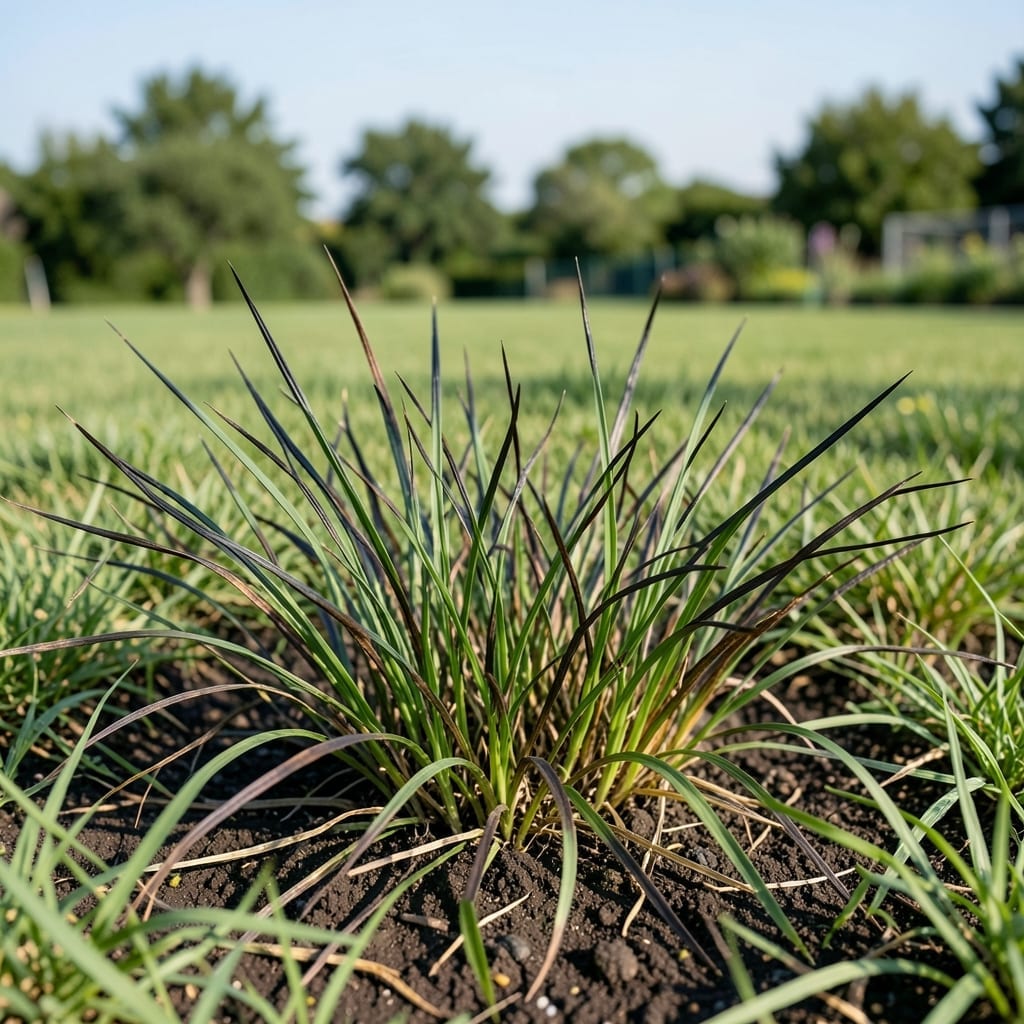
Black grass in your lawn isn’t the end of the story. I’ve brought back patches that looked completely dead with a few targeted fixes.
The culprit is usually one of three things: fungal disease, too much fertilizer, or waterlogged soil. Once you identify which, the solution becomes clear and fast.
Within 7-10 days of proper treatment, you’ll see green returning. The key is acting before the damage spreads to healthy areas.
Works for cool and warm-season grasses alike. Here’s how to diagnose and fix it for good.
Understanding why your lawn is discoloring is the first step to fixing it. Here are the most common culprits behind blackening grass:
Fungi like Pythium or Rhizoctonia thrive in wet, humid conditions, causing dark, water-soaked patches that turn black as the grass dies. Overwatering or poor drainage often triggers these outbreaks. Fungal spores spread quickly, so early intervention with fungicides or improved airflow can stop the damage.
Late spring or early fall frosts can shock grass blades, leading to a blackened appearance. The cold ruptures cell walls, causing tissue death. While frost-damaged grass often recovers on its own, avoid walking on it until it thaws to prevent further harm.
Too much nitrogen or synthetic fertilizer can “burn” your lawn, turning it black or brown. Excess salts in fertilizer draw moisture out of the grass roots, leading to chemical burns. Always follow application rates and water thoroughly after fertilizing to dilute excess nutrients.
Gasoline, herbicides, or even pet urine can cause localized black spots. These substances are toxic to grass, killing it on contact. Rinse affected areas immediately with water to minimize damage, and remove contaminated soil if necessary.
Compacted or nutrient-poor soil suffocates grass roots, leading to blackening over time. Aerate your lawn annually and test soil pH to ensure it’s between 6.0 and 7.0. Amending with compost can restore vitality.
Reviving blackened grass starts with pinpointing the cause and applying targeted solutions. Here’s how to tackle the most common issues effectively.
If excess fertilizer is the culprit, flush the area with water to dilute and wash away the chemicals. Water deeply (1-2 inches) daily for a week to help the soil recover. Prevention tip: 💡 Always follow fertilizer instructions and test soil before application to avoid overuse.
For grass suffering from too much water, improve drainage by aerating the lawn with a garden fork or core aerator. This allows air and water to penetrate the soil. Reduce watering until the top 1-2 inches of soil are dry. Prevention tip: 🌧️ Water early in the morning and ensure your lawn has proper grading to avoid pooling.
Combat fungal issues by applying a fungicide labeled for your specific grass type. Remove any heavily infected patches to prevent spread. Prevention tip: ✨ Avoid watering in the evening, mow regularly to improve airflow, and keep your lawn free of thatch buildup.
If lack of water turned your grass black, revive it gradually. Water deeply but infrequently (1-1.5 inches per week) to encourage deep root growth. Prevention tip: 🌡️ Adjust watering schedules seasonally and consider drought-resistant grass varieties for your region.
For grass blackened by heavy foot traffic or compaction, aerate the soil and overseed with a matching grass type. Top-dress with compost to improve soil structure. Prevention tip: 🎯 Create pathways or stepping stones in high-traffic areas to protect your lawn.
For severe cases where grass doesn’t recover, remove dead patches, loosen the soil, and reseed or lay new sod. Consistency in care is key to bringing your lawn back to life!
It depends on the cause. Frost-damaged grass often recovers in 1-2 weeks, while chemical burns or disease may require intervention. Inspect the roots—if they’re white and firm, there’s a good chance it will bounce back.
Isolate affected areas immediately. Avoid walking on them, and clean your mower after cutting blackened grass to prevent spreading fungal spores. Improve airflow by trimming surrounding tall grass.
Flush the area with 1-2 inches of water daily for a week. This dilutes excess salts in the soil. If the grass doesn’t improve in 10 days, remove dead patches and reseed.