
Beautiful Plants For Your Interior
Beautiful Plants For Your Interior
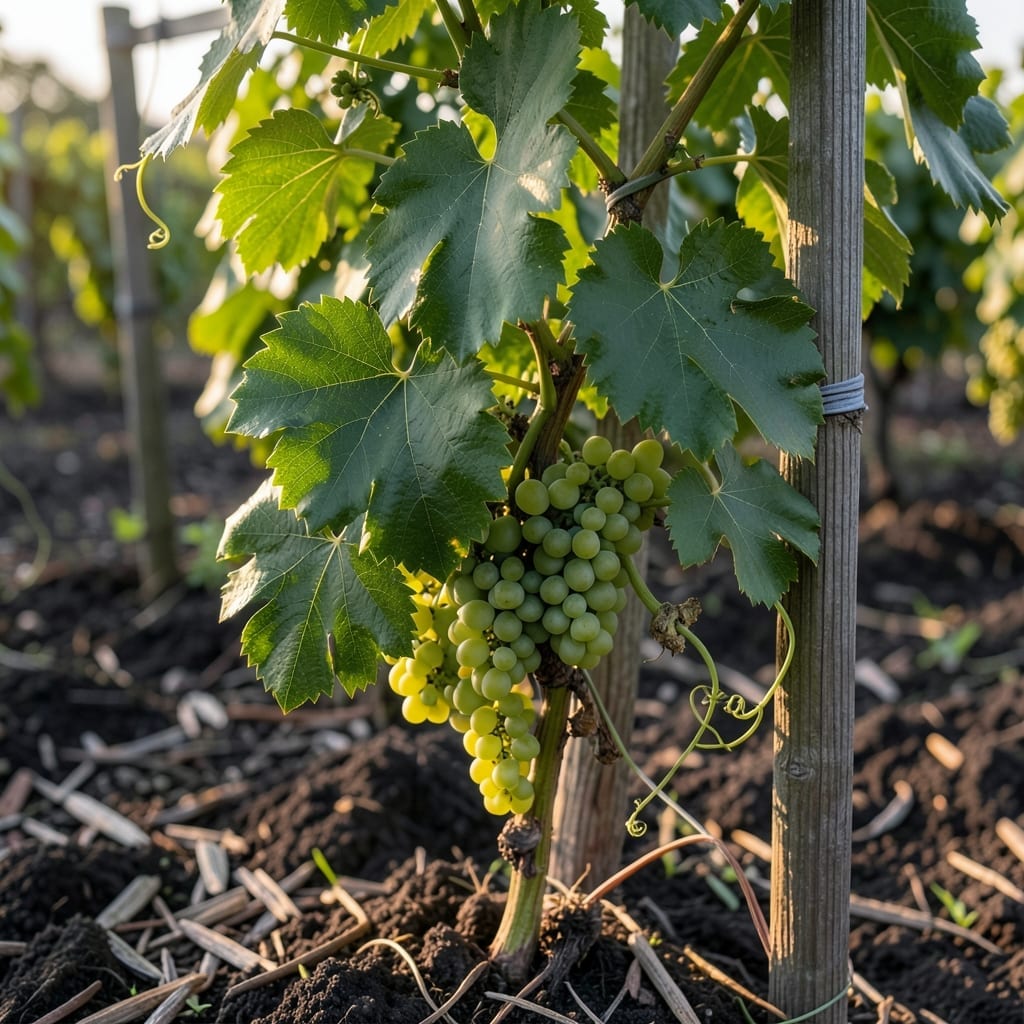
I first noticed grape vine gall last spring as strange swellings on my vines. 🌱 These growths, caused by bacteria, weaken plants and reduce fruit production if left unchecked.
It starts with small tumors that grow larger, often cracking open. The bacteria enters through wounds, so pruning tools need cleaning between cuts. I learned this the hard way after losing 3 vines in one season.
Organic treatments work best—remove infected parts immediately and sterilize tools. Copper sprays can help prevent spread, but timing is everything. Early detection makes all the difference.
Healthy vines recover quickly with the right care. Regular inspections, especially after pruning or storms, keep problems from taking hold. Here’s how to spot and stop it.
Grape vine gall, those unsightly swellings on stems and leaves, isn’t random—it’s a plant’s defensive reaction to specific stress triggers. Understanding the root causes helps you prevent and manage it effectively.
The most common culprit is Agrobacterium tumefaciens, a soil-borne bacterium that invades through wounds (pruning cuts, frost cracks, or mechanical damage). It hijacks the vine’s cell division, forcing uncontrolled growth that forms hard, tumor-like galls. These often appear at the base or roots but can spread upward.
Fungi like Plasmopara viticola (downy mildew) or Phomopsis viticola can incite gall-like distortions, especially on leaves and young shoots. Unlike bacterial galls, fungal galls are often softer, discolored, or fuzzy. They thrive in wet, humid conditions, entering through stomata or injuries.
Pests such as grape phylloxera or gall mites pierce plant tissues to feed, triggering abnormal cell growth. Phylloxera galls typically form on leaves or roots, while mites cause tiny, blister-like bumps. These pests weaken vines and create entry points for secondary infections.
Extreme cold, drought, or nutrient imbalances can stress the vine, leading to atypical growths that resemble galls. For example, herbicide drift or nutrient toxicity (e.g., excess boron) may cause swelling. These “pseudo-galls” lack infectious agents but still harm vine health.
Actionable tip: Sterilize tools, improve drainage, and monitor pests to reduce risks.
Dealing with grape vine gall can feel overwhelming, but with the right approach, you can restore your vines to health. Below are targeted solutions for common causes, along with prevention tips to keep your vineyard thriving.
If galls are caused by bacterial pathogens like Agrobacterium tumefaciens, remove all infected plant tissue immediately using sterilized pruning shears. Dip tools in a 10% bleach solution between cuts to prevent spreading. Burn or dispose of infected material—do not compost. Apply a copper-based bactericide to the wounds to inhibit regrowth. Prevention: Disinfect tools regularly and avoid working with wet vines, as moisture spreads bacteria.
Galls caused by insects such as grape phylloxera or gall midges require a two-pronged attack. Introduce beneficial nematodes or ladybugs to prey on larvae. For existing galls, use sticky traps to catch adult insects. Remove and destroy heavily infested leaves or canes. Prevention: Encourage biodiversity with companion plants like marigolds or yarrow, which repel pests naturally.
Fungal galls thrive in damp, crowded conditions. Thin out dense foliage to enhance airflow and reduce humidity. Apply a neem oil or sulfur-based fungicide at the first sign of trouble, following label instructions. Prevention: Water at the base of the plant (not overhead) and space vines properly to minimize moisture buildup.
Galls can sometimes signal nutrient imbalances. Conduct a soil test to check for deficiencies in nitrogen, potassium, or micronutrients. Amend with organic compost or a balanced fertilizer as needed. Prevention: Feed vines annually with compost tea and monitor leaf color for early signs of deficiency.
Pro tip 🎯: Regularly inspect your vines for early signs of galls—early intervention makes treatment far easier!
Bacteria, fungi, or pests like phylloxera typically trigger abnormal growths. Agrobacterium is the most common bacterial culprit, entering through wounds. Environmental stress can also create similar symptoms.
Yes, if you act quickly. Remove all infected tissue with sterilized tools and apply copper fungicide. Severe cases may require removing the entire vine to protect others.
Disinfect pruning tools between cuts, improve airflow, and maintain balanced soil nutrition. Regular inspections help catch problems early before they spread.