
Beautiful Plants For Your Interior
Beautiful Plants For Your Interior
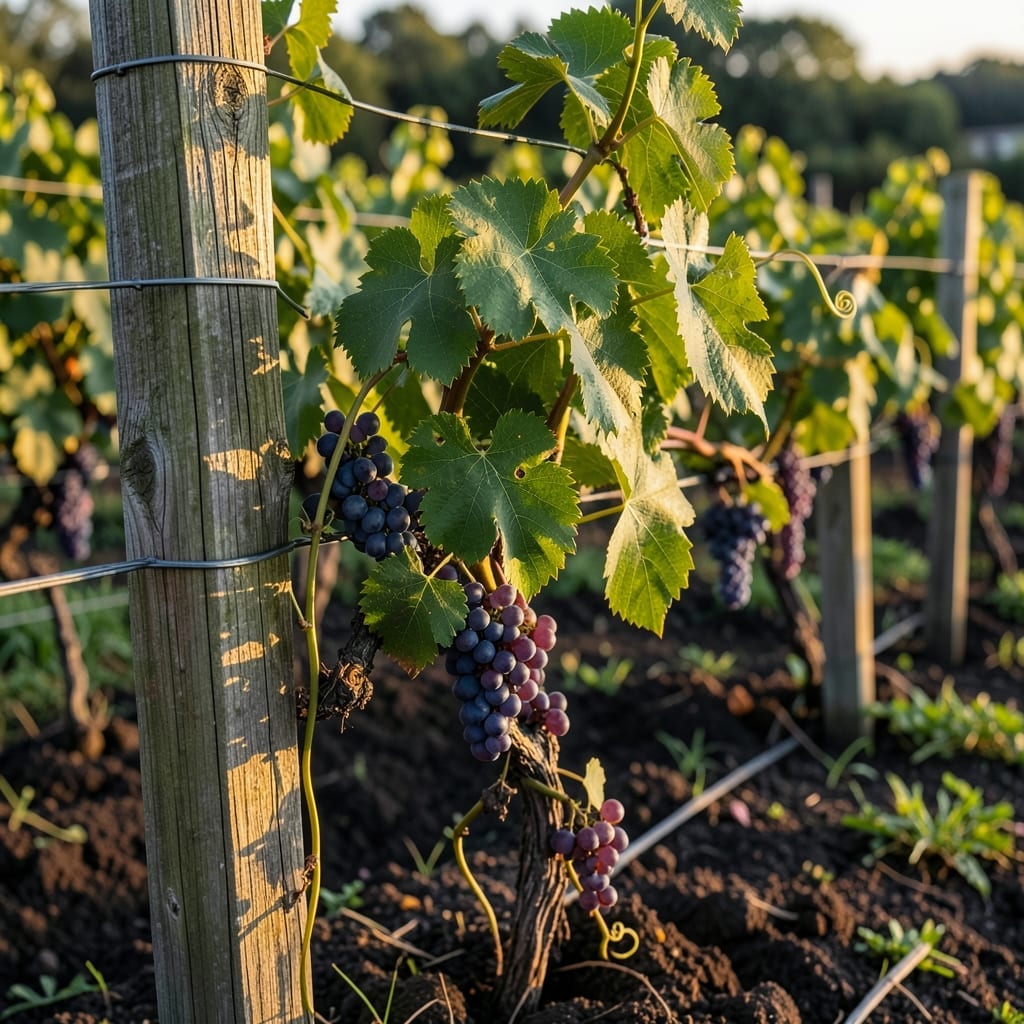
My first grapevine produced three measly clusters its first year. Now, five seasons in, I pull 20+ pounds of fruit from the same space with just a few adjustments to how I care for the plants.
Grapes thrive on neglect once established, but they demand full sun and well-draining soil to start. The real secret is pruning—hard—every winter to focus the plant’s energy on fruit, not foliage.
You’ll taste the difference in the first harvest: sweeter berries, thicker skins, and vines that resist disease. Proper trellising keeps the fruit off the ground, preventing rot and making picking a breeze.
Works for backyard vines or small-scale vineyards. Here’s how to get it right from the start.
Understanding the root causes of poor grape growth helps you take corrective action. Below are the most common scientific reasons why grape vines fail to thrive, along with their underlying mechanisms.
Grape vines are highly sensitive to temperature fluctuations. Cold snaps below 15°F (-9°C) can damage or kill buds, reducing yield. Conversely, heatwaves above 90°F (32°C) disrupt photosynthesis, leading to berry sunscald or uneven ripening. Vitis vinifera (European grapes) is particularly vulnerable, while native varieties like Vitis labrusca tolerate colder climates better.
Inconsistent moisture levels trigger stress responses. Drought conditions force vines to prioritize survival over fruit production, resulting in smaller berries or millerandage (uneven berry size). On the other hand, overwatering suffocates roots, reducing oxygen uptake and promoting fungal diseases like Phytophthora root rot. Ideal soil moisture should stay between 50-70% field capacity during the growing season.
Grape vines require a precise balance of nutrients. Nitrogen deficiency causes stunted growth and pale leaves, while excess nitrogen leads to excessive foliage at the expense of fruit. Potassium shortages weaken disease resistance and reduce sugar accumulation in berries. A soil test (pH 5.5–7.0) is essential to identify deficiencies in phosphorus, magnesium, or micronutrients like boron, which are critical for pollination.
Common pests like grape berry moths and leafhoppers damage foliage and fruit, while diseases such as powdery mildew (Erysiphe necator) and downy mildew (Plasmopara viticola) thrive in humid conditions. These pathogens block stomata, reducing gas exchange and weakening the vine. Preventative measures, such as proper canopy management and fungicide applications, are key to mitigation.
Keeping your grapevines healthy requires quick action when problems arise. Below are practical solutions to the most common issues, organized by cause and fix, along with prevention tips to keep your vines thriving. 🌱
Cause: Inadequate pollination or cold weather during flowering.
Fix: Hand-pollinate by gently brushing the flowers with a soft brush. If frost is a concern, use frost cloths or row covers to protect the vines.
Prevention tip: 💡 Plant pollinator-friendly flowers nearby to attract bees and other pollinators.
Cause: Nutrient deficiency, often nitrogen or magnesium.
Fix: Test your soil and amend it with a balanced fertilizer or Epsom salt (for magnesium). Water deeply after application.
Prevention tip: 🌡️ Regularly test soil pH and nutrient levels to catch deficiencies early.
Cause: Common pests like aphids, spider mites, or grape berry moths.
Fix: Spray with neem oil or insecticidal soap for small infestations. For severe cases, use organic pesticides or introduce beneficial insects like ladybugs.
Prevention tip: ✨ Keep the vineyard clean by removing fallen leaves and debris where pests can hide.
Cause: Humid conditions or poor air circulation leading to mildew or rot.
Fix: Remove infected leaves or fruit immediately. Apply a copper-based fungicide or baking soda spray (1 tbsp baking soda + 1 tsp dish soap + 1 gallon water).
Prevention tip: 🎯 Space vines properly and prune to improve airflow. Water at the base to avoid wetting the leaves.
Cause: Inconsistent watering leading to stress or root rot.
Fix: Adjust your watering schedule—grapes need deep watering (1-2 inches per week) but should dry out slightly between waterings. Use drip irrigation to target the roots.
Prevention tip: 🔥 Mulch around the base to retain moisture and reduce evaporation.
Water deeply 1-2 times per week during the first year, ensuring 1-2 inches of moisture reaches the roots. Reduce frequency as vines establish, letting soil dry slightly between waterings.
Improve airflow by pruning and spacing vines 6-8 feet apart. Water at the base and apply copper-based fungicides preventatively. Remove infected leaves immediately.
Prune during dormancy in late winter, removing 70-90% of last year’s growth. This focuses energy on fruit production. Avoid pruning in fall to prevent cold damage.
Yes, but choose dwarf varieties and use a 15-20 gallon container with drainage. Ensure full sun and consistent watering, as potted vines dry out faster.