
Beautiful Plants For Your Interior
Beautiful Plants For Your Interior
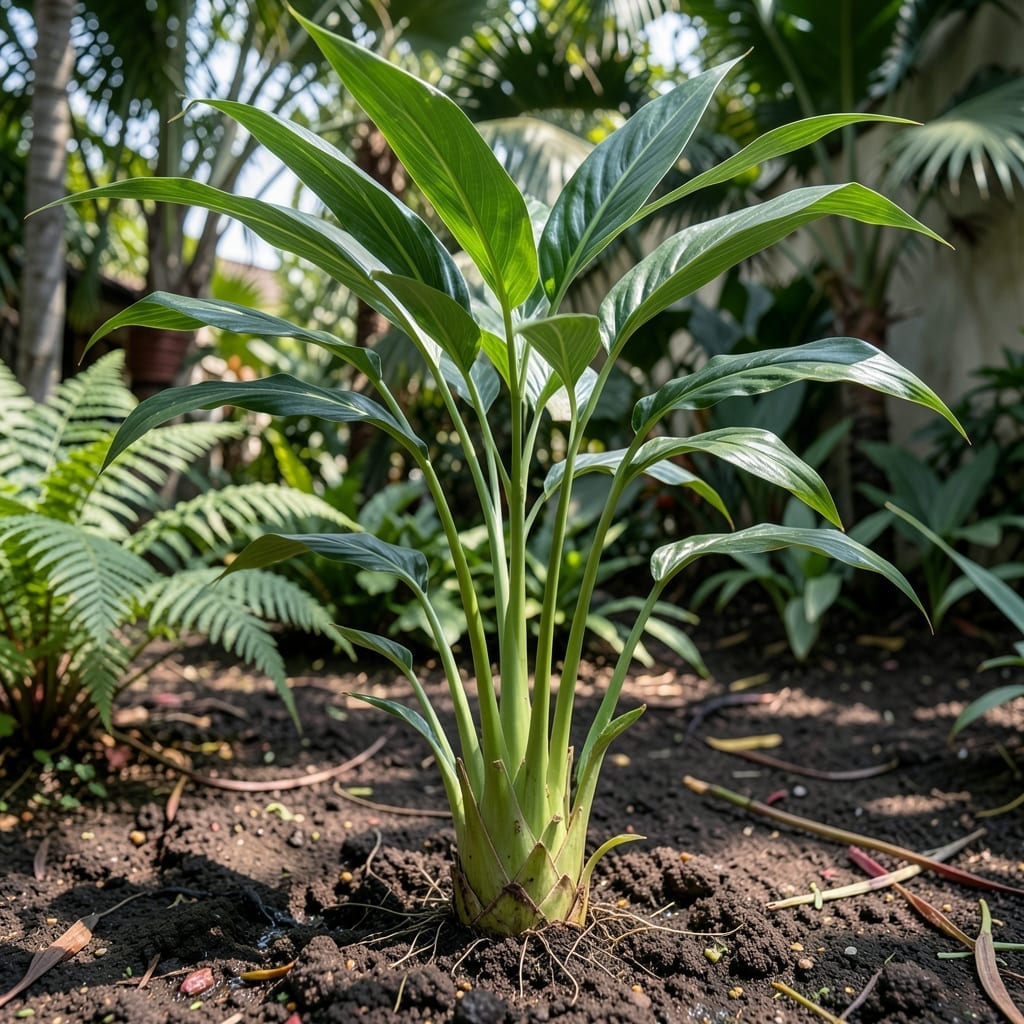
Healthy ginger plants show off vibrant green leaves that can grow 2-3 feet tall. I’ve learned that the foliage tells you everything about the plant’s well-being.
With the right warmth, shade, and moisture, those leaves transform from sparse shoots to a lush, tropical display. The key is patience—ginger takes 8-10 months to reveal its full potential.
📚 In This Guide
Here’s my reliable method for cultivating vigorous ginger plants with lush foliage in any home garden.
Begin with plump, firm ginger rhizomes that show visible eye buds—these are the small, bumpy nodes where new growth emerges. I always choose organic pieces when possible, as non-organic rhizomes may have growth inhibitors. Soak the selected pieces in lukewarm water overnight to remove any dormancy triggers and encourage faster sprouting.
Cut the rhizome into sections with at least 1-2 eye buds per piece, using a clean knife to prevent disease transmission. Allow the cut surfaces to dry for 24 hours before planting—this callousing period prevents rot once in soil. You’ll notice the cut ends develop a slightly hardened texture when ready.
Ginger thrives in loose, well-draining soil with high organic matter. I mix equal parts potting soil and compost to create the perfect medium. The soil should hold moisture without becoming waterlogged, as ginger roots are particularly sensitive to rot. Fill your container or garden bed with this mix to within 1 inch of the rim.
Choose a location with partial to full shade, as direct sun can scorch ginger leaves. In hotter climates, morning sun with afternoon shade works best. The ideal soil temperature for planting is 70-75°F—ginger won’t sprout in cooler conditions. You can test this by inserting a soil thermometer 2 inches deep.
Plant each rhizome piece 1-2 inches deep with the eye buds facing upward. Space them 8-12 inches apart to allow for mature growth. I press the soil gently around each piece to ensure good contact without compacting. Water immediately after planting until the soil feels evenly moist but not soggy.
Maintain consistent moisture during the first 2-3 weeks while the rhizomes establish. You’ll see the first green shoots emerging through the soil after 2-4 weeks, depending on temperature. These initial shoots will unfurl into the characteristic lance-shaped leaves that signal healthy growth.
Once established, ginger prefers consistently moist but not waterlogged soil. I water when the top 1-2 inches of soil feel dry to the touch. During hot weather, this might mean watering every other day, while cooler periods may only require weekly watering. The leaves will tell you if you’re over or under-watering—drooping indicates too little water, while yellowing suggests too much.
Fertilize lightly every 4-6 weeks with a balanced organic fertilizer. I’ve found that ginger responds particularly well to compost tea or fish emulsion. The leaves should maintain a rich, deep green color throughout the growing season. If you notice pale or yellowing foliage, it’s often a sign of nutrient deficiency or excessive sun exposure.
As the plants mature, you’ll see the leaves grow taller and more abundant, eventually reaching 2-4 feet in height under ideal conditions. This lush foliage is the visual indicator of a healthy ginger plant that’s storing energy in its rhizomes for future harvest.
Small details make the difference between struggling plants and lush ginger foliage.
Rhizome Preparation: That 24-hour drying period after cutting is non-negotiable. I learned this the hard way when my first batch rotted in the soil. The calloused ends create a protective barrier against moisture and disease, giving your ginger the best possible start.
Temperature Matters: The soil temperature window of 70-75°F isn’t just a suggestion. Ginger rhizomes won’t sprout in cooler conditions, and anything hotter risks stressing the plant. In cooler climates, consider starting indoors or using a heat mat to maintain that precise range.
Watering Wisdom: During the first 2-3 weeks, keep the soil consistently moist but never soggy. I check mine daily by inserting my finger 1-2 inches deep—if it feels dry at that depth, it’s time to water. Overwatering is the most common mistake I see, and it inevitably leads to rot.
Light Requirements: Don’t underestimate the importance of shade. While ginger can tolerate some morning sun, direct afternoon light will scorch the leaves. I’ve had the best results with dappled shade throughout the day, which mimics the plant’s natural tropical forest habitat.
Yes! Ginger leaves are edible and often used in Asian cuisine for flavoring soups, teas, or stir-fries. They have a mild, fresh ginger taste and are rich in antioxidants. Ensure they’re clean and pesticide-free before consuming.
Yellow leaves often signal overwatering, poor drainage, or nutrient deficiencies. Check soil moisture—ginger prefers damp but not soggy conditions. Adjust watering or fertilize if needed.
Ginger sprouts leaves in about 3–4 weeks when planted in warm, moist soil. Full foliage may take 2–3 months, depending on climate and care.
Substitute with dried ginger powder, fresh ginger root (grated), or lemongrass for a similar zesty flavor in recipes.