
Beautiful Plants For Your Interior
Beautiful Plants For Your Interior
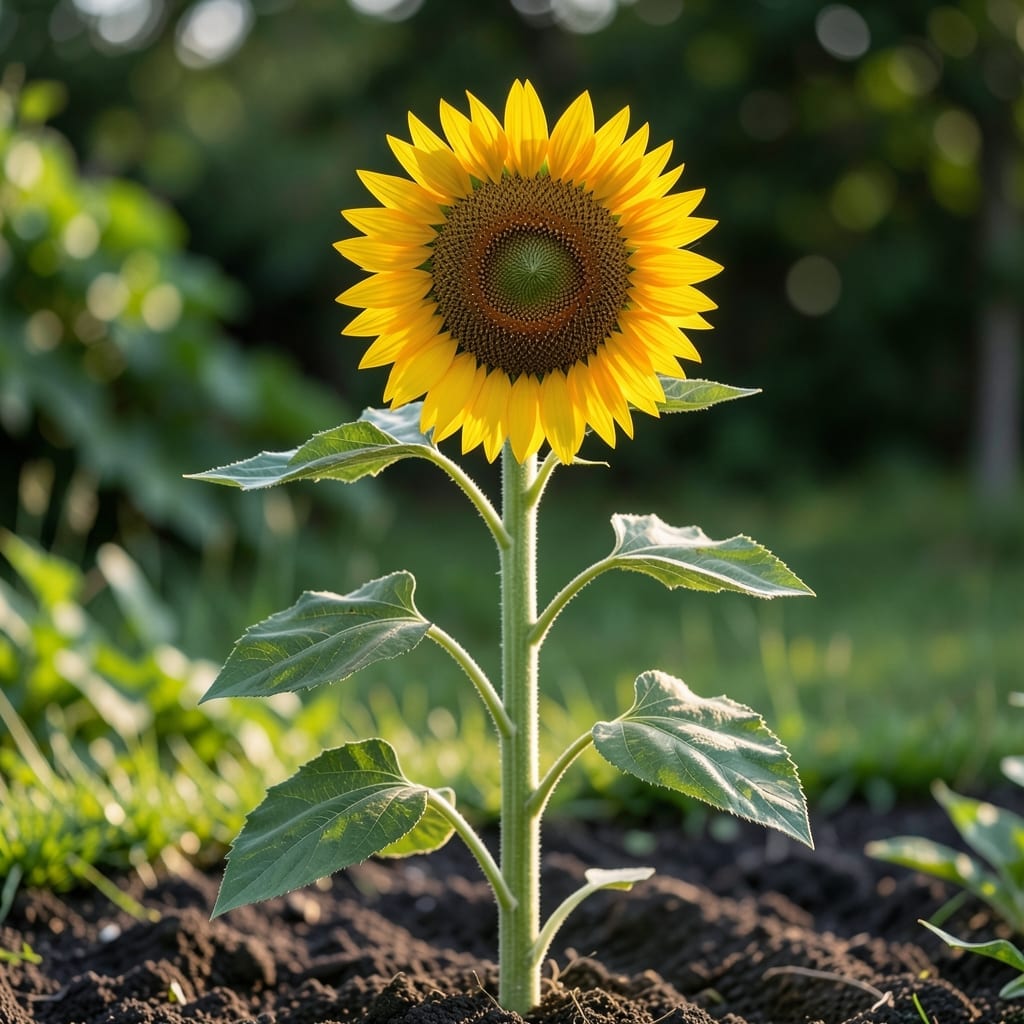
First time I grew Giants Nest sunflowers, neighbors stopped to ask what kind of tree I’d planted. These aren’t your typical sunflowers—they stretch 12-15 feet tall with stunning dual-color blooms that look painted by hand.
They need full sun and well-draining soil to hit that towering height. Once established, they’re surprisingly low-maintenance, though a little afternoon shade helps in the hottest zones. The payoff is a garden focal point that turns heads all season.
📚 In This Guide
These practical insights will help you grow impressive, healthy sunflowers with minimal hassle.
Site Selection Secret: That requirement for 6-8 hours of direct sunlight daily isn’t just a suggestion. I’ve tried growing these in partial shade, and the results were disappointing—sparse blooms and stunted growth. Choose your sunniest spot, preferably with morning light, as it’s less intense and helps prevent wilting.
Soil Temperature Matters: Planting when soil reaches 60-70°F is critical. I once planted too early when soil was only 55°F, and the seeds rotted. Use a soil thermometer to be sure, or wait until after your last frost date when soil has had time to warm up.
Support System Timing: Don’t wait until your Giants Nest sunflowers are leaning to install support. As mentioned in Step 3, they can grow 8-12 feet tall and become top-heavy. I install my stakes when plants are about 3 feet tall, well before they need it. This prevents root damage from driving stakes into established root systems.
Watering Wisdom: The 1-2 inches per week guideline is a starting point. In hot, dry spells, I’ve found these sunflowers appreciate a deep watering every 3-4 days rather than daily light watering. This encourages strong root development. Just be sure your soil drains well to prevent waterlogging.
Plant seeds in late spring after the last frost, when soil temperatures reach at least 55°F. This ensures optimal germination and strong growth for these towering sunflowers.
These sunflowers can reach heights of 12 to 16 feet, making them a dramatic focal point in any garden. Ensure they have ample space and support to thrive.
Watch for aphids, beetles, and fungal diseases like powdery mildew. Regular inspections and proper spacing can help prevent issues.
Due to their massive size, they’re not ideal for containers. However, dwarf varieties or smaller sunflower types may be better alternatives for patio gardening.
Yellowing leaves may indicate overwatering, nutrient deficiencies, or pest damage. Check soil moisture, fertilizer levels, and inspect for bugs to troubleshoot.