
Beautiful Plants For Your Interior
Beautiful Plants For Your Interior
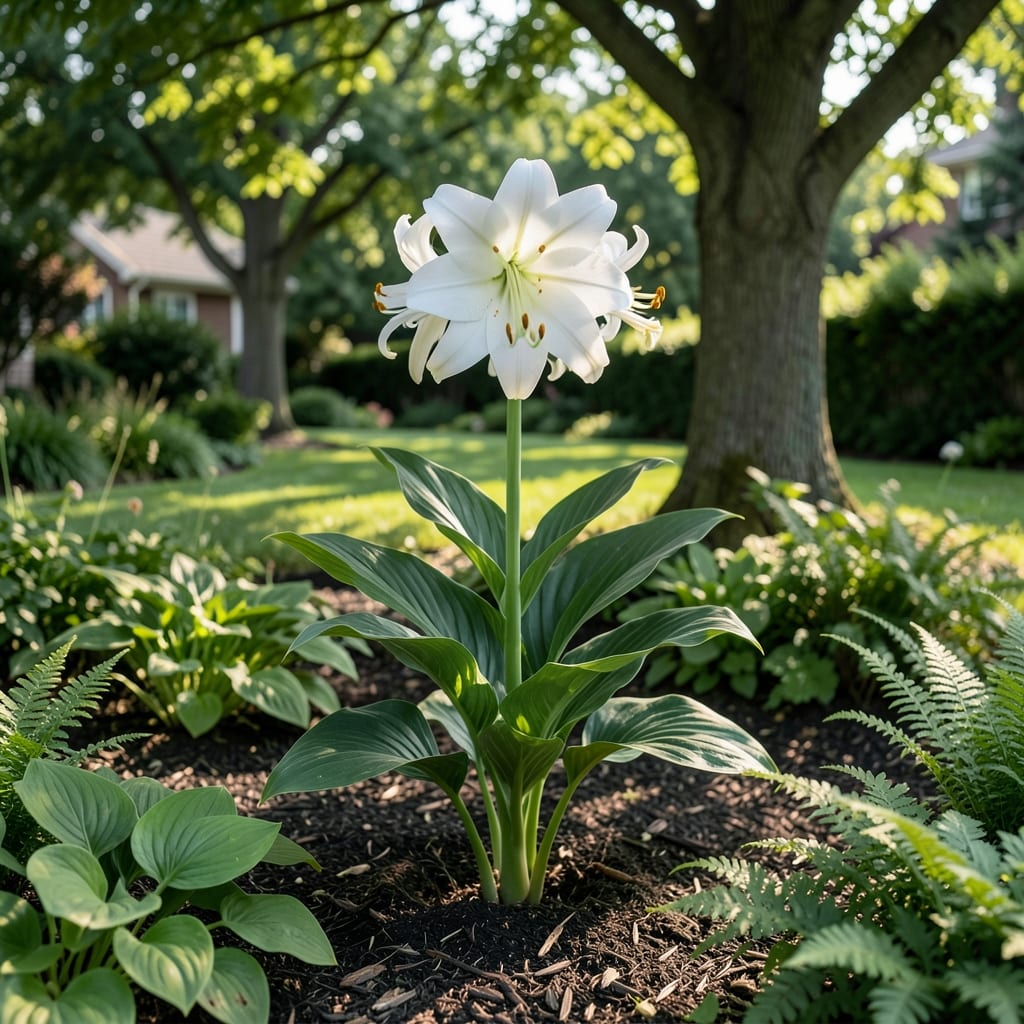
There’s nothing like watching giant white lilies unfold in your garden. I’ve been growing these showstoppers for years, and the way they transform a space with their pure, dramatic blooms still takes my breath away.
They thrive with consistent moisture and well-draining soil, and with the right care, you’ll have 6-foot stems topped with fragrant, trumpet-shaped flowers by midsummer. Even a beginner can nail this with a few key steps.
📚 In This Guide
Here’s the method I use to cultivate these magnificent blooms with minimal fuss and maximum impact.
Choose a site with full sun to partial shade, as giant white lilies thrive in 6-8 hours of sunlight daily. I’ve found that morning sun with afternoon shade works best in hotter climates to prevent scorching the delicate petals.
The soil must be well-draining and rich in organic matter. If your garden soil is heavy clay, amend it with compost or plant in raised beds. Avoid low-lying areas where water pools, as bulb rot is a common issue in poorly drained spots.
Dig holes 6-8 inches deep and space them 12-18 inches apart to give the mature plants room to spread. Loosen the soil at the base of each hole to encourage root growth. This is the moment that matters: proper depth and spacing prevent overcrowding and weak stems.
Place the bulbs with the pointed end facing upward, then cover with soil and press gently to remove air pockets. Water thoroughly after planting to settle the soil. You’ll see the first signs of growth in 2-3 weeks if the conditions are right.
Keep the soil evenly moist but not waterlogged during the growing season. I water deeply once a week unless rainfall provides 1-2 inches of moisture. A layer of 2-3 inches of mulch helps retain moisture and suppress weeds, but keep it a few inches away from the stems to prevent rot.
If the weather turns dry, increase watering frequency. You’ll notice the foliage wilting slightly in extreme heat—this is your signal to water immediately. Don’t let the soil dry out completely, especially during bulb establishment.
Giant white lilies can reach 4-6 feet tall, so they often need staking to prevent toppling in wind or rain. Install stakes or a support ring early, when the stems are 12-18 inches high. This prevents damage to the roots later on.
Use soft ties to secure the stems to the stakes, allowing room for growth. I’ve learned the hard way that waiting too long to stake can result in broken stems, which ruins the blooms. The plants will lean naturally toward the light, so position supports accordingly.
Apply a balanced, slow-release fertilizer in early spring as new growth emerges, then again after flowering. This encourages strong stems and abundant blooms. I prefer organic options like compost tea or bone meal for a gentle, long-lasting boost.
Deadhead spent flowers by cutting the stem just above a leaf node, but leave the foliage intact until it yellows and dies back naturally. This allows the plant to store energy in the bulb for next year’s growth. Real talk: skipping deadheading reduces the number of blooms the following season.
These gardener-tested insights will help you maximize your blooms with minimal effort.
Sunlight Strategy: The 6-8 hours of sunlight mentioned in Step 1 is non-negotiable for vibrant blooms. In hotter climates, I’ve found that morning sun with afternoon shade prevents petal scorch while still meeting the light requirement. Position your plants where they’ll get consistent exposure.
Planting Precision: Step 2’s 6-8 inches deep and 12-18 inches apart spacing isn’t arbitrary—deeper planting protects bulbs from temperature swings, while the spacing prevents competition for nutrients. I learned the hard way that shallow planting leads to weak stems that can’t support those towering 4-6 feet of growth.
Moisture Mastery: The 1-2 inches of weekly watering in Step 3 should be deep, not frequent. Use your finger to test soil moisture at the bulb level—surface dryness doesn’t mean the roots need water. That 2-3 inches of mulch is your best defense against evaporation, but pull it back from stems to avoid rot.
Staking Timing: Don’t wait until stems are 4-6 feet tall to add support. Step 4’s advice to stake at 12-18 inches is critical—by then, the roots are established enough to handle the disturbance, but the stems aren’t yet top-heavy. Use soft ties to avoid girdling as they grow.
Remove affected leaves or stems immediately, improve air circulation, and avoid overhead watering. Use fungicides like copper-based solutions for fungal infections.
Plant bulbs in early spring or fall in well-draining soil. This timing allows roots to establish before extreme temperatures.
Consider Oriental lilies, Casa Blanca lilies, or trumpet lilies for large, fragrant white flowers with comparable elegance.
Check for insufficient sunlight, poor soil nutrition, or overcrowded bulbs. Ensure they receive 6+ hours of sun and balanced fertilizer.
Use neem oil or insecticidal soap for aphids and lily beetles. Regularly inspect plants and remove pests manually if spotted early.