
Beautiful Plants For Your Interior
Beautiful Plants For Your Interior
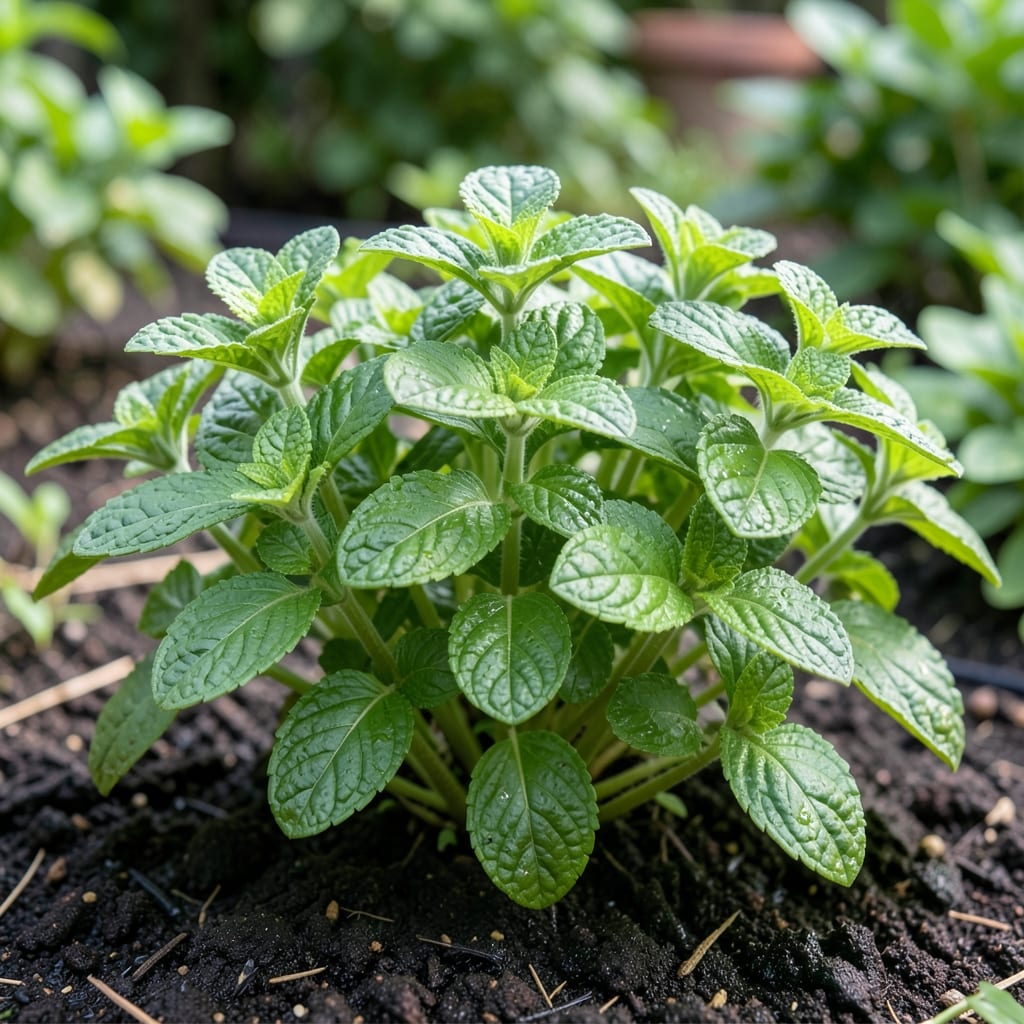
Giant mint leaves start with the right foundation. I learned the hard way that rich, well-draining soil and consistent moisture make all the difference for oversized foliage.
Choose varieties like apple mint or pineapple mint for naturally large leaves, then prune regularly to encourage bushy growth. Within 6-8 weeks, you’ll have leaves big enough to make neighbors jealous.
📚 In This Guide
Here’s the foolproof method I use to grow mint with leaves so large they’ll impress even seasoned gardeners.
Start with a vigorous variety like spearmint or peppermint—these produce the largest leaves consistently. I’ve found that planting in partial shade (about 4-6 hours of morning sun) prevents leaf scorch while still encouraging rapid growth. Full sun often bleaches the leaves and stunts their size.
Choose a spot with rich, well-draining soil. Mint tolerates a range of conditions, but for giant leaves, the soil must retain moisture without becoming waterlogged. Test drainage by digging a 1-foot hole and filling it with water—if it drains within 1 hour, you’re good to go.
Space plants 18-24 inches apart to prevent competition for nutrients and water. Crowded mint produces small, weak leaves. Dig planting holes twice as wide and deep as the root ball to encourage outward root growth, which directly fuels leaf expansion.
Set the plant so the crown sits ½ inch above soil level—this prevents rot while allowing roots to establish quickly. Backfill with native soil amended with compost, pressing lightly to remove air pockets. Water thoroughly after planting to settle the soil around the roots.
Mint thrives on consistent moisture. Water deeply 2-3 times per week, ensuring the top 1-2 inches of soil stays evenly damp. I check by sticking my finger into the soil—if it feels dry at the first knuckle, it’s time to water. Drip irrigation works best to keep foliage dry and prevent disease.
Feed every 3-4 weeks with a balanced, water-soluble fertilizer (10-10-10) to promote leafy growth. I switch to a high-nitrogen formula (20-10-10) once the plants are established to push foliage development. Avoid over-fertilizing—you’ll get leggy growth with smaller leaves instead of the robust ones you want.
Pinch back the tips of new growth every 2-3 weeks to force the plant to branch outward. This creates a bushier structure with more surface area for leaf development. I always remove the top set of leaves just above a leaf node—this is where new growth will sprout.
Harvest leaves frequently by cutting stems just above a pair of leaves. Regular harvesting prevents flowering, which diverts energy away from leaf production. If you see flower buds forming, snip them off immediately—this redirects the plant’s resources back into growing those prized giant leaves.
Watch for signs of stress, like yellowing leaves or wilting, which often indicate under or overwatering. Adjust your schedule accordingly—mint in containers may need daily watering in hot weather. I also mulch around the base with 2-3 inches of organic mulch to retain moisture and suppress weeds.
If leaves start looking small or pale, it’s usually a sign of nutrient deficiency. A quick side-dressing of compost or a light application of fertilizer typically resolves the issue within 1-2 weeks. Keep an eye out for pests like aphids, which love mint—blast them off with water or treat with insecticidal soap if they appear.
Here’s what I’ve learned through trial and error to get those impressive, oversized leaves.
Sunlight Strategy: In Step 1, that 4-6 hours of morning sun is non-negotiable for giant leaves. Afternoon sun can be too harsh and will scorch the edges, while full shade produces weak, small foliage. If your garden gets intense midday light, use shade cloth to filter it during peak hours.
Soil Test Insight: The 1-foot hole drainage test from Step 1 is your best insurance against root rot. If water sits longer than 1 hour, amend the soil with compost or sand to improve drainage. Mint roots hate soggy feet but need consistent moisture for maximum leaf size.
Pruning Precision: When you pinch back growth in Step 4 every 2-3 weeks, always cut just above a leaf node—never in the middle of a stem. This precise technique forces the plant to branch at that point, creating the bushy growth that supports those massive leaves you’re after.
Keep the soil moist but well-drained, and ensure good air circulation. Remove yellow or damaged leaves promptly to prevent fungal spread. Avoid overhead watering to reduce humidity-related issues.
Harvest in the morning after the dew dries for the best flavor. Pick leaves before the plant flowers, usually in late spring or early summer, for the most vibrant and aromatic foliage.
Yes! Place the pot near a sunny window (6+ hours of light daily) and use well-draining soil. Rotate the plant occasionally for even growth and maintain consistent moisture.
This could indicate overwatering, poor drainage, or fungal disease. Check the soil—if soggy, reduce watering. If dry, increase hydration. Remove affected leaves and improve airflow.
Regular mint varieties like spearmint or peppermint work well. Other substitutes include basil, lemon balm, or even cilantro, depending on the recipe’s flavor profile.