
Beautiful Plants For Your Interior
Beautiful Plants For Your Interior
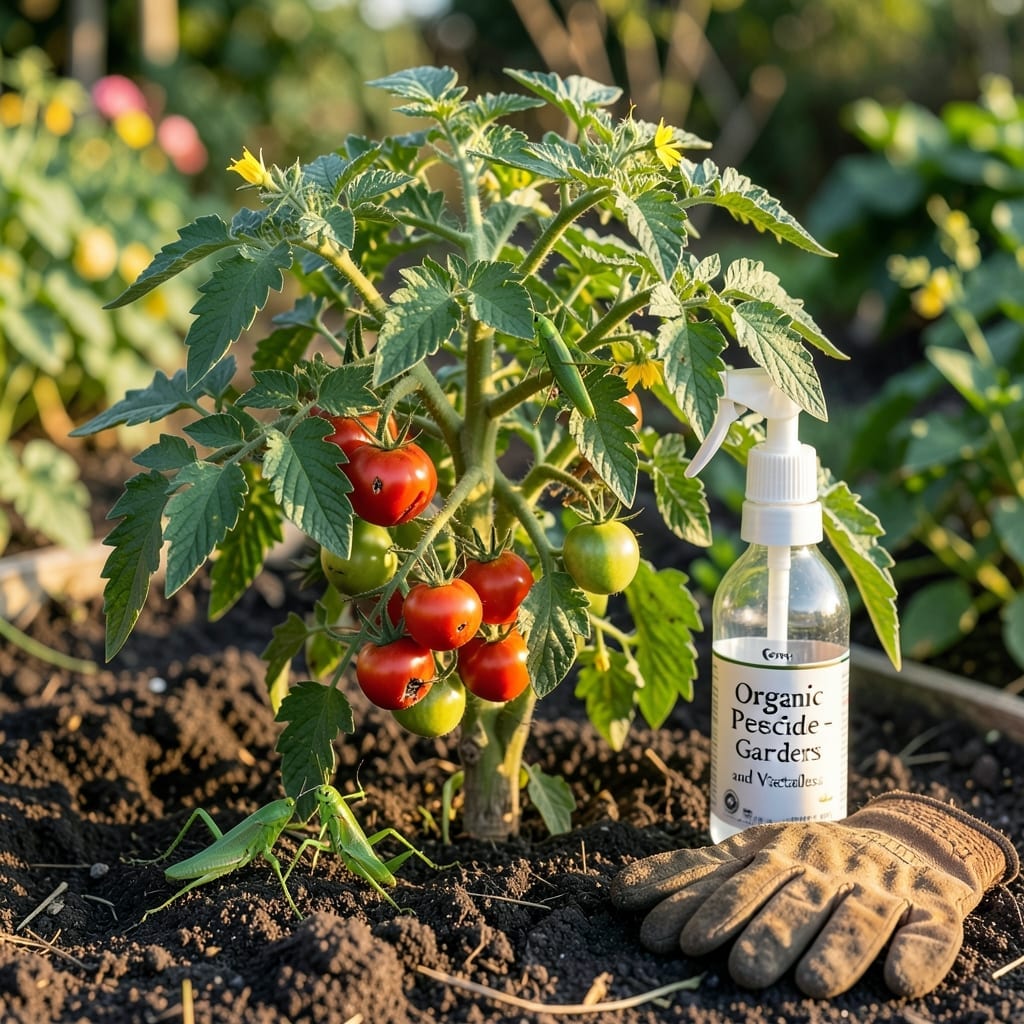
My garden was a grasshopper buffet last summer. They skeletonized my beans overnight and turned my lettuce into lace. I tried everything until I found what actually works without chemicals.
The key is interrupting their life cycle. Remove eggs in fall, attract natural predators like birds and spiders, and use simple barriers. Neem oil and garlic spray help too, but timing is everything.
You’ll notice fewer chewed leaves within 48 hours of starting these methods. The plants recover fast, and the grasshoppers move on to easier meals elsewhere.
Works for vegetable gardens, flower beds, or any landscape. Here’s the exact approach that saved my harvest.
Grasshoppers thrive in gardens for specific, often preventable reasons. Understanding these triggers helps you address the root of the problem before it escalates. Below are the most common causes of grasshopper infestations in your garden.
Grasshoppers are attracted to dense, overgrown areas where they can hide, feed, and reproduce. Tall grass, weeds, and untrimmed plants provide the perfect habitat. These pests lay their eggs in moist, undisturbed soil, and thick vegetation offers shelter from predators like birds and spiders. Regularly mowing lawns and removing weeds disrupts their lifecycle and reduces their numbers.
While grasshoppers prefer dry conditions, their eggs require moist soil to survive the winter. Overwatering your garden or poor drainage creates an ideal environment for eggs to hatch. Once hatched, the nymphs (young grasshoppers) feed voraciously on nearby plants. Improving drainage and watering early in the day allows the soil to dry, making it less hospitable for egg-laying.
Gardens with a single type of plant (e.g., large patches of grass or a single crop) are like a buffet for grasshoppers. They can easily move from one plant to the next without expending energy. Diversifying your garden with a mix of plants, especially those grasshoppers dislike (like garlic, onions, or marigolds), disrupts their feeding patterns and deters them naturally.
Grasshoppers are cold-blooded and thrive in warm, dry conditions. Hot summers with low humidity accelerate their metabolism, leading to rapid feeding and reproduction. If you live in such a climate, planting drought-resistant species and using shade cloth can make your garden less appealing. Additionally, these conditions often reduce the presence of natural predators, giving grasshoppers free rein.
Grasshoppers can wreak havoc on your garden, but these targeted solutions will help you reclaim your plants. Address the root causes and apply fixes that work.
Weeds and tall grass provide shelter for grasshoppers. Mow regularly and remove weeds to eliminate their hiding spots. Keep a 10-foot buffer of short grass around your garden to deter them.
Prevention tip: 💡 Lay mulch between rows to suppress weeds and make the area less inviting.
Standing water attracts grasshoppers. Fix drainage issues by adding gravel or creating small trenches. Ensure your garden beds slope slightly to prevent water pooling.
Prevention tip: 🎯 Water plants in the morning so excess moisture evaporates during the day.
Encourage birds, toads, and beneficial insects like praying mantises or spiders to keep grasshopper numbers in check. Install birdhouses or a small pond to attract these predators.
Prevention tip: ✨ Plant native flowers to create a habitat for predator insects.
Protect vulnerable plants with floating row covers or lightweight fabric. For a natural repellent, spray a mix of garlic, water, and a few drops of dish soap on leaves.
Prevention tip: 🌡️ Rotate crops yearly to avoid giving grasshoppers a consistent food source.
For severe infestations, handpick grasshoppers in the early morning when they’re sluggish. Drop them into soapy water to dispose of them. This works best for small gardens.
Prevention tip: 🔥 Act early—remove eggs in fall by tilling the soil to expose them to cold weather.
Birds, toads, and spiders are top predators. Attract them with birdhouses, small ponds, or native plants. Praying mantises also help control populations effectively.
Yes, if eggs survive winter in undisturbed soil. Tilling garden beds in fall exposes eggs to cold, reducing next year’s numbers significantly.
Use floating row covers or lightweight fabric barriers. Remove covers during flowering for pollination. Garlic spray also deters them without harming plants.
They dislike garlic, onions, marigolds, and lilac. Plant these as borders around vulnerable crops. Their strong scents act as natural repellents.