
Beautiful Plants For Your Interior
Beautiful Plants For Your Interior
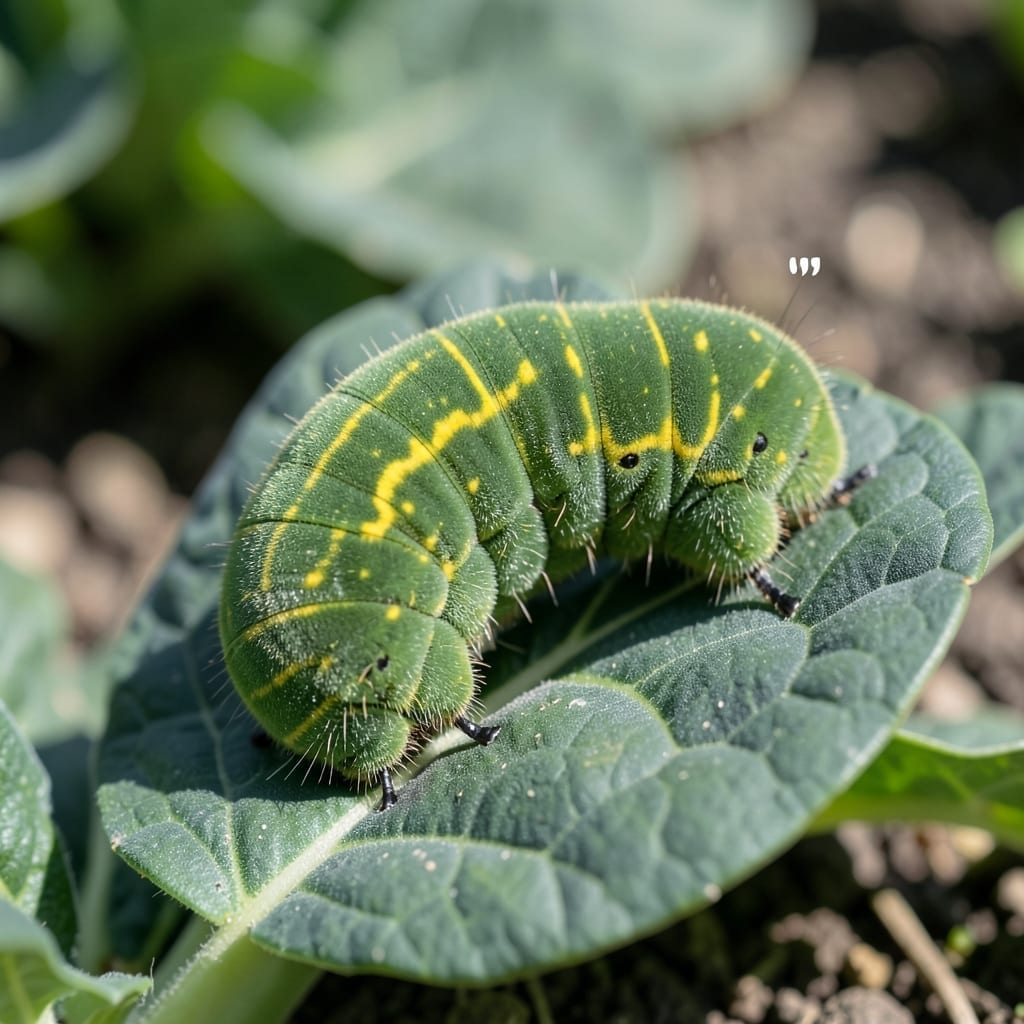
Those little green caterpillars can turn your cabbage patch into Swiss cheese overnight. I lost an entire row of kale to them before learning the tricks.
Hand-picking works surprisingly well for small infestations, and it’s the most immediate solution. The real game-changer is catching them early—check under leaves daily for yellow eggs and tiny worms.
Row covers create a foolproof barrier against adult butterflies laying eggs. For existing problems, organic sprays like BT (Bacillus thuringiensis) stop feeding within 24-48 hours without harming beneficial insects.
Plant thyme or dill nearby as natural repellents. Prevention saves more crops than treatment ever will.
Cabbage worms, the larvae of white butterflies (Pieris rapae), target your garden for specific biological and environmental reasons. Understanding these causes helps you disrupt their lifecycle and protect your crops.
Cabbage worms are specialized feeders—they’re hardwired to seek out plants in the Brassicaceae family (cabbage, broccoli, kale, etc.). These plants release sulfur-containing compounds (glucosinolates) that act like a dinner bell for adult butterflies, signaling a perfect egg-laying site. Once eggs hatch, the larvae feast on the leaves, which are packed with nutrients ideal for their growth.
In many gardens, cabbage worms thrive because their natural predators—like parasitic wasps, birds, or ground beetles—are absent. Monoculture planting (growing only brassicas) or excessive pesticide use can wipe out these beneficial insects, leaving the worms unchecked. Encouraging biodiversity (e.g., planting flowers like alyssum) restores this balance.
Warm, moist weather (60–80°F) accelerates their lifecycle. Eggs laid on the undersides of leaves hatch in 3–7 days, and larvae mature rapidly in such climates. Overwatering or dense plantings create humid microclimates that shield them from desiccation and predators. Proper spacing and drip irrigation can reduce these cozy hideouts.
Cabbage worms can turn your lush garden into a chewed-up mess, but these targeted fixes will help you reclaim your crops. Below, we map each cause to a simple, actionable solution—plus prevention tips to keep them from coming back.
If you spot green caterpillars on leaves, handpick them off early in the morning or late evening when they’re most active. Drop them into soapy water to ensure they don’t return. Prevention tip: Inspect plants daily—catching them early stops infestations from spreading. 💡
Protect vulnerable plants with floating row covers to block adult butterflies from laying eggs. Secure the edges with soil or weights. Prevention tip: Apply covers at planting and keep them on until harvest for full protection. ✨
Encourage beneficial insects like parasitic wasps, ladybugs, and lacewings by planting companion flowers (dill, fennel, or yarrow). These predators feed on cabbage worm eggs and larvae. Prevention tip: Avoid broad-spectrum pesticides that harm helpful bugs. 🎯
Spray Bacillus thuringiensis (Bt) or neem oil directly on leaves, focusing on the undersides where eggs hide. Reapply after rain. Prevention tip: Rotate sprays to prevent resistance and cover new growth. 🌡️
After harvest, remove plant debris and till the soil to disrupt overwintering pupae. Rotate cabbage-family crops yearly to break the pest cycle. Prevention tip: Solarize soil in fall to kill lingering larvae. 🔥
Inspect leaves daily, especially the undersides where eggs and young larvae hide. Morning or evening is best since worms are most active then.
No, covers only prevent new eggs from being laid. For current worms, remove them by hand or use organic sprays like Bt first.
Plant thyme, dill, or mint nearby. Their strong scents confuse adult butterflies and reduce egg-laying.
Yes! Drop handpicked worms into soapy water to ensure they don’t return. It’s a simple, chemical-free solution.