
Beautiful Plants For Your Interior
Beautiful Plants For Your Interior
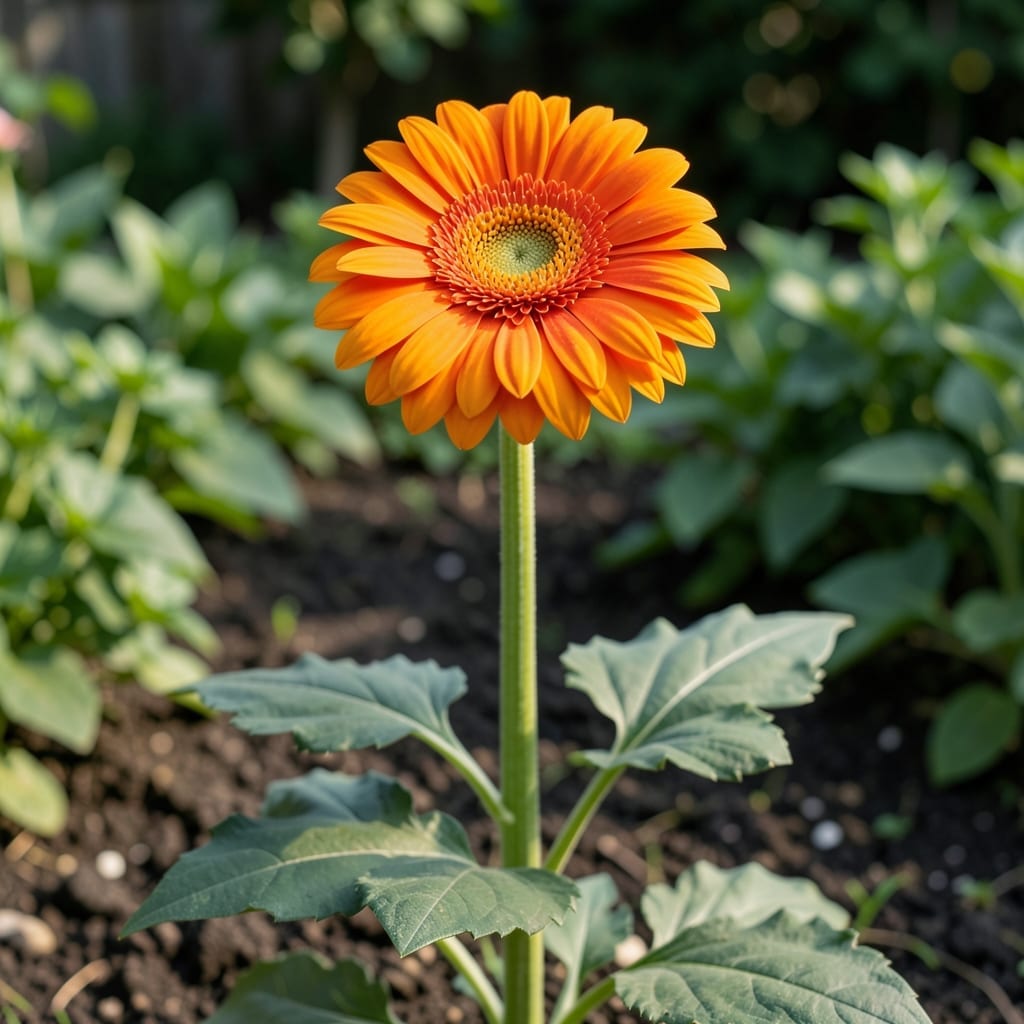
There’s nothing quite like the burst of color from Gerbera Daisy 🌼 blooms lighting up a garden. But when exactly can you expect this vibrant display?
Timing is everything with these cheerful flowers. While they naturally flourish from late spring to fall, a few simple tweaks can extend their showstopping performance.
Discover how climate, care, and smart planting strategies can maximize your blooming season. Let’s make your garden the talk of the neighborhood.
The Gerbera Daisy flowering season typically kicks off in late spring and runs through early fall. In warmer climates, you might see blooms as early as March or April. These cheerful flowers thrive when temperatures stay above 50°F. ☀️
In cooler regions, the season may start in May or June and wrap up by September. The key triggers are warm soil and consistent sunlight. Gerberas are sensitive to frost, so they’ll stop blooming once cold snaps arrive. 🌱
| Region | Flowering Season | USDA Zones |
|---|---|---|
| Warm Climates | March to November | 8-11 |
| Moderate Climates | May to September | 5-7 |
| Cool Climates | June to August | 1-4 |
For gardeners in USDA zones 8-11, Gerbera Daisies often behave as perennials, returning year after year. This means you can enjoy their vibrant colors for multiple seasons with proper care. In these areas, the flowering season can last up to 8 months. 🌼
In cooler zones, Gerberas are usually grown as annuals. They won’t survive winter frosts, but you can still get a full season of blooms from late spring to early fall. Plant them after the last frost date for best results.
The length of daylight also plays a role. Gerberas need 6-8 hours of sun daily to produce abundant flowers. In areas with long summer days, you’ll see more prolific blooming. Shorter days in spring and fall may reduce the number of flowers.
Soil temperature is another critical factor. Gerberas prefer warm soil around 70°F for optimal growth. If you’re planting in containers, ensure they’re placed in a sunny spot where the soil can warm up quickly. ✂️
If you’re growing Gerberas indoors, you can extend the flowering season by providing artificial grow lights. This mimics the long days of summer and encourages continuous blooming. Just be sure to maintain consistent moisture and good air circulation.
Many gardeners find that deadheading spent blooms encourages the plant to produce more flowers. This simple task can extend your Gerbera Daisy flowering season by several weeks. Remove faded blooms regularly to keep the plant focusing on new growth.
In summary, the Gerbera Daisy flowering season varies by climate and care. With the right conditions, you can enjoy these stunning blooms for months. Whether you’re in a warm southern state or a cooler northern region, there’s a way to maximize your Gerbera’s potential. 🌿
Want to enjoy Gerbera Daisy blooms longer? With a few simple tricks, I’ve seen gardeners stretch their flowering season by weeks or even months. The key is understanding what these vibrant plants need to keep producing those stunning colorful flowers. ☀️
Start with consistent deadheading. Removing spent blooms prevents the plant from wasting energy on seed production. This encourages it to focus on creating new flowers instead. I recommend checking your plants every 2-3 days during peak blooming. 🌱
Proper watering techniques make a huge difference. Gerberas prefer consistent moisture but hate soggy roots. I water my plants deeply once or twice a week, always in the morning to allow foliage to dry. This prevents fungal issues that can shorten the blooming period. 💧
Fertilization is another game-changer. Use a balanced fertilizer every 4-6 weeks during the growing season. I’ve found that a 10-10-10 formula works wonders for promoting continuous blooming.
Light exposure is crucial for maximum blooms. If your Gerberas aren’t getting 6-8 hours of sun, consider moving them. In my experience, plants in full sun locations produce up to 50% more flowers than those in partial shade. For container plants, rotate them occasionally for even light distribution. ☀️
Finally, don’t overlook soil health. Gerberas thrive in well-draining soil with a pH between 6.0-6.5. I add compost at planting time and top-dress with organic matter mid-season. Healthy soil means stronger plants and more abundant blooms throughout the flowering season. 🌿