
Beautiful Plants For Your Interior
Beautiful Plants For Your Interior
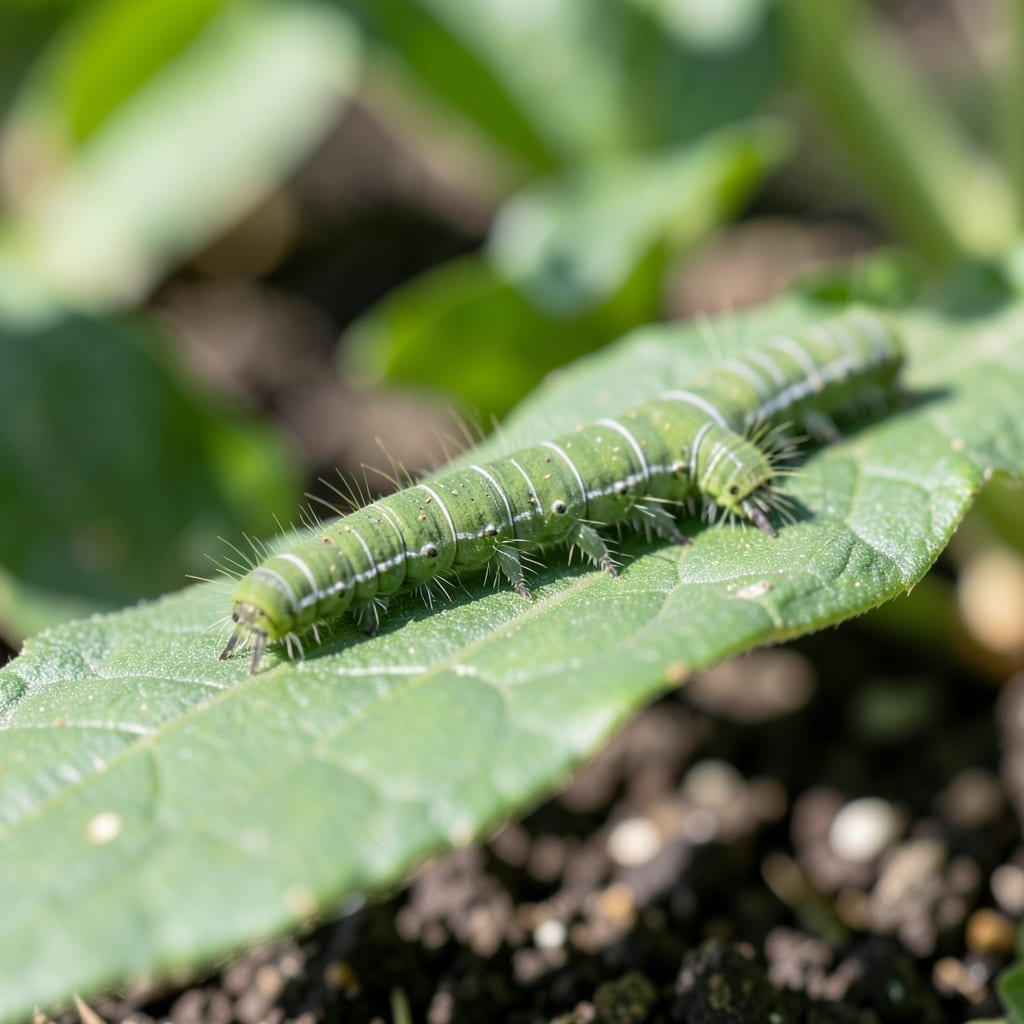
Caterpillars wiped out my kale overnight last summer. This spray changed everything.
Garlic’s natural compounds repel caterpillars without harsh chemicals. I mix crushed cloves with water and a drop of dish soap, then strain and spray directly on leaves. The scent confuses pests while leaving plants unharmed.
You’ll see results within 24-48 hours as caterpillars avoid treated areas. Reapply after rain or every 5-7 days for consistent protection.
Safe for most plants and beneficial insects when used correctly. Here’s how to make it work for your garden.
Understanding why caterpillars target your plants is the first step to using garlic spray effectively as a deterrent. These pests don’t just appear randomly—they’re drawn by specific environmental and plant-based factors. Below are the primary causes behind their unwelcome visits.
Caterpillars are naturally drawn to lush, healthy foliage rich in nitrogen and sugars. Plants that are over-fertilized, especially with nitrogen-heavy formulas, produce tender leaves that caterpillars find irresistible. Young, fast-growing plants are particularly vulnerable because their soft tissues are easier to chew through.
In gardens where beneficial insects like ladybugs, lacewings, or parasitic wasps are absent, caterpillar populations can explode. These predators keep caterpillar numbers in check by feeding on eggs or larvae. Without them, caterpillars thrive unchecked, leading to widespread damage.
Plants under stress—whether from overwatering, drought, or poor soil health—emit chemical signals that caterpillars detect from afar. Stressed plants often have weakened defenses, making them an easy target. Overwatered plants, in particular, develop soft, succulent growth that caterpillars prefer.
Caterpillar activity peaks during warm, humid weather, which accelerates their life cycle. Many species lay eggs in spring or early summer, leading to a surge in larvae just as your garden is flourishing. Additionally, gardens with dense plantings or excessive mulch provide ideal hiding spots for caterpillars to feed undisturbed.
Garlic spray is a powerful, natural way to keep caterpillars from munching on your garden. Here’s how to tackle the issue based on the root cause, with actionable steps and prevention tips.
If caterpillars are already feasting on your plants, mix a strong garlic spray (10-12 crushed garlic cloves per liter of water, strained) and apply it directly to the leaves, especially the undersides where pests hide. Reapply every 2-3 days until the caterpillars are gone. For stubborn cases, add 1 tsp of dish soap to help the spray stick.
Prevention tip: 💡 Rotate crops yearly to disrupt caterpillar life cycles and reduce future outbreaks.
At the first sign of holes or eggs, use a milder garlic spray (5-6 cloves per liter) as a deterrent. Spray in the early morning or late evening to avoid harming beneficial insects like bees. Focus on vulnerable plants like tomatoes, cabbage, and lettuce.
Prevention tip: 🎯 Companion planting with herbs like basil or dill can naturally repel caterpillars.
For gardens with recurring caterpillar issues, apply garlic spray weekly during peak pest seasons (spring and early summer). Consistency is key—caterpillars lay eggs frequently, so regular spraying breaks their cycle.
Prevention tip: ✨ Encourage natural predators like birds or parasitic wasps by adding birdhouses or planting nectar-rich flowers nearby.
Garlic spray can wash away in rain or degrade in extreme heat. Reapply after rainfall and avoid spraying in high temperatures (above 85°F) to prevent leaf burn. Store leftover spray in the fridge for up to a week.
Prevention tip: 🌡️ Use mulch to retain moisture and reduce stress on plants, making them less susceptible to pests.
Apply every 5-7 days for prevention, or every 2-3 days during active infestations. Reapply after rain or heavy watering, as it can wash away the solution.
No, garlic spray is generally safe for bees and ladybugs when used correctly. Apply in the early morning or late evening to avoid direct contact with pollinators.
Yes, it works on most vegetables, herbs, and flowers. Test on a small area first for sensitive plants like ferns or orchids to avoid potential leaf burn.
You’ll see results within 24-48 hours as caterpillars avoid treated leaves. For severe infestations, it may take up to a week for full effectiveness.