
Beautiful Plants For Your Interior
Beautiful Plants For Your Interior
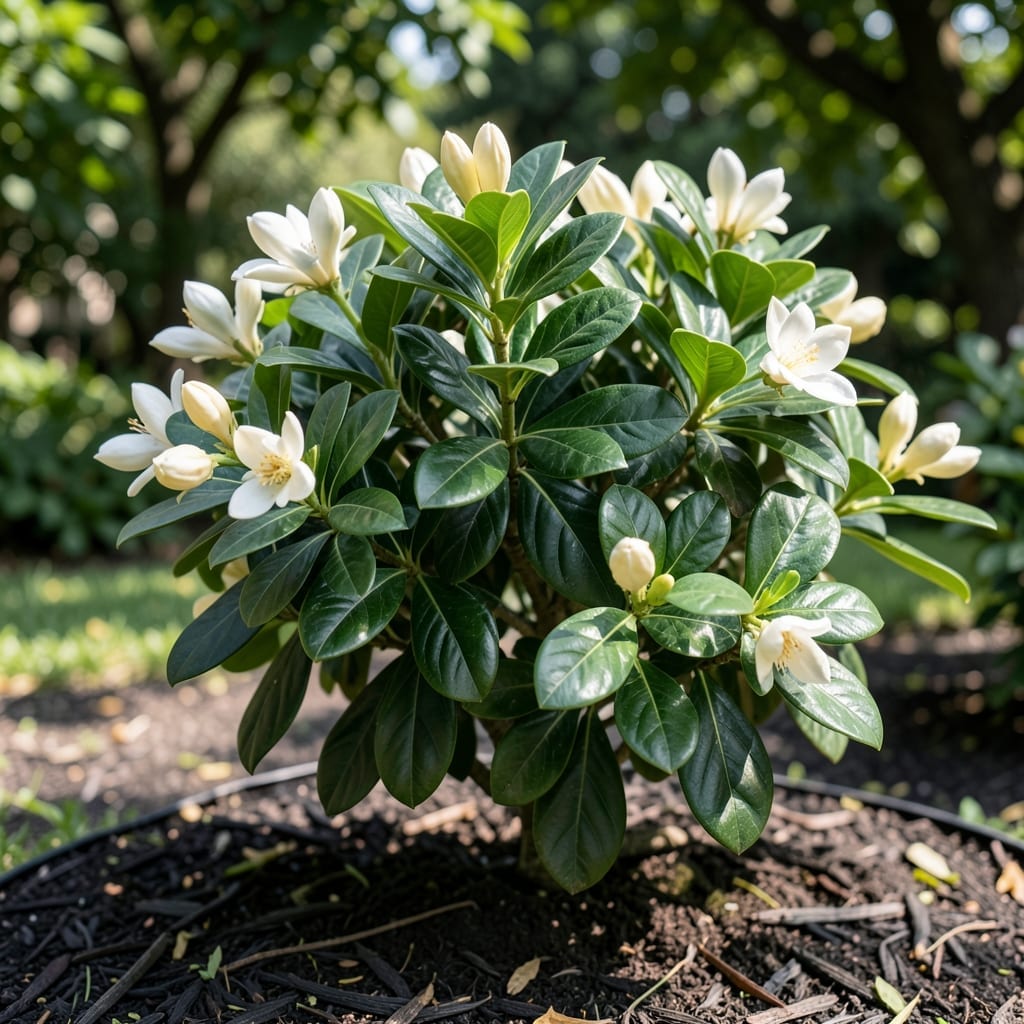
Planning your garden space starts with knowing how much room your plants need to thrive. The Gardenia 🌸, with its intoxicating fragrance and glossy leaves, can surprise you with its size variations.
Depending on the variety and care, these shrubs can range from compact 2-foot beauties to towering 8-foot showstoppers. That’s a big difference when you’re mapping out your landscape design.
I’ve learned through experience that understanding these growth patterns is the key to creating a balanced garden. Whether you’re working with a small patio or a sprawling yard, there’s a perfect fit for your space.
Let me walk you through what to expect and how to manage it. You’ll discover how to keep your garden looking its best, no matter the size constraints.


When planning your garden, knowing the mature size of gardenia shrubs is essential. These beautiful plants can range from compact dwarf varieties to taller standard types, each with unique growth habits.
Dwarf gardenias typically reach 2-3 feet in height, while semi-dwarf varieties grow to about 3-5 feet. Standard gardenias can get quite large, often 6-8 feet tall with a similar spread.
| Variety | Height Range | Spread | Ideal Spacing |
|---|---|---|---|
| Dwarf | 2-3 ft | 2-3 ft | 2-3 ft apart |
| Semi-Dwarf | 3-5 ft | 3-4 ft | 3-4 ft apart |
| Standard | 6-8 ft | 5-7 ft | 5-6 ft apart |
The growth rate of gardenias varies by variety and conditions. Dwarf types grow slowly, adding about 6-12 inches per year, while standard gardenias can grow 12-24 inches annually under ideal conditions.
For garden planning, consider the mature spread as well as height. Standard gardenias can spread 5-7 feet wide, so give them plenty of room to thrive without crowding other plants.
Climate plays a significant role in gardenia size. In warmer climates like USDA zones 8-11, they tend to grow larger. In cooler areas, they may stay more compact or require winter protection.
Soil quality affects growth too. Gardenias prefer acidic, well-draining soil rich in organic matter. Poor soil can stunt growth, while optimal conditions encourage vigorous development and larger size.
Remember that pruning practices can control size. Regular light pruning after blooming helps maintain a neat shape and prevents overgrowth. Heavy pruning can reduce size but may sacrifice flowers for a season.
For container gardening, dwarf varieties are ideal. They stay manageable in pots and can be moved indoors during cold winters. Larger varieties need permanent outdoor spaces with ample room.
When planting multiple gardenias, space them according to their mature size. Proper spacing ensures good air circulation, reduces disease risk, and allows each plant to reach its full potential without competition. 🌸
If you’ve ever wondered why your gardenia isn’t reaching its expected size, several factors are at play. Climate tops the list—these shrubs thrive in USDA zones 8-11 with warm, humid conditions.
Soil quality also affects growth. Gardenias need acidic, well-draining soil rich in organic matter to reach their full potential. Poor soil often stunts their development.
Pruning practices directly control your gardenia’s size. I always prune mine right after blooming to maintain shape and prevent leggy growth. This keeps them compact and flowering abundantly.
Watering habits matter more than you think. Deep, regular watering encourages strong root development, while inconsistent moisture can lead to stunted growth. Aim for 1-2 inches of water per week.
Don’t underestimate the power of sunlight exposure. In cooler areas, gardenias can handle full sun, but in hot climates, they need protection from harsh afternoon rays to prevent stress and size reduction.
Finally, remember that variety selection plays a huge role. Dwarf varieties like ‘Radicans’ stay small, while standard types like ‘August Beauty’ can grow much larger. Choose wisely for your space.
☀️