
Beautiful Plants For Your Interior
Beautiful Plants For Your Interior
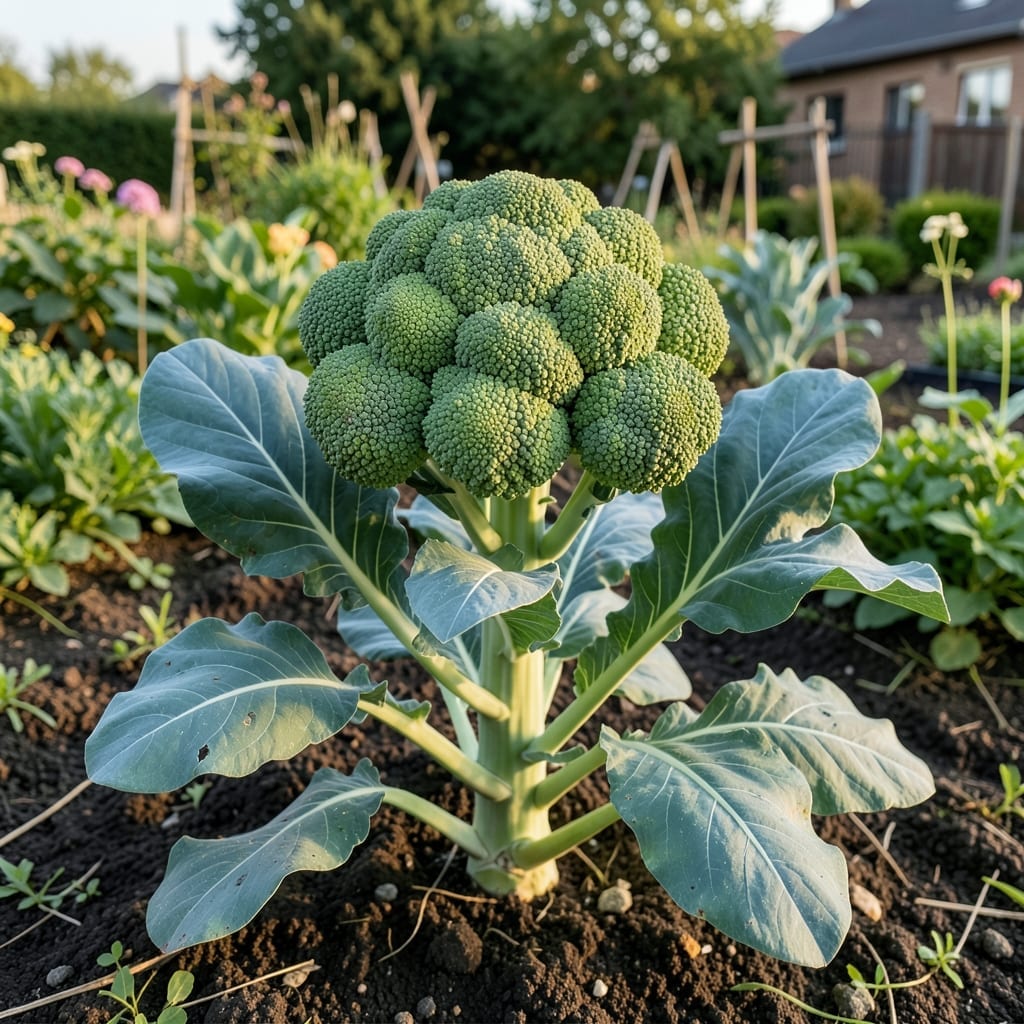
If you’ve ever ended up with small, sad 🥦 broccoli heads, spacing might be your invisible culprit. Those crowded plants are literally fighting for survival, and your dinner plate pays the price.
I learned the hard way that healthy broccoli needs room to stretch its roots and leaves. Without it, you’re looking at stunted growth and a harvest that never quite delivers.
But here’s the good news: with the right spacing strategy, you can transform your patch into a thriving broccoli paradise. It’s simpler than you might think.
Discover exactly how much space these plants truly need to reach their full potential. Your future self will thank you at harvest time.


If you want healthy broccoli plants with large, tight heads, spacing is everything. I’ve learned that crowded plants compete for nutrients, leading to stunted growth and disease susceptibility. Proper spacing ensures good air circulation and root development.
For most standard broccoli varieties, I recommend 18-24 inches between plants in a row. This gives each plant enough room to spread its leaves and develop strong stems. Rows should be spaced 24-36 inches apart.
| Variety | In-Row Spacing | Row Spacing |
|---|---|---|
| Standard Broccoli | 18-24 inches | 24-36 inches |
| Sprouting Broccoli | 12-18 inches | 24-30 inches |
| Mini Broccoli | 12 inches | 18-24 inches |
Sprouting broccoli can grow a bit closer, with 12-18 inches between plants and 24-30 inches between rows. This variety produces smaller heads but more of them, so tighter spacing works well.
For mini or dwarf broccoli, I’ve had success with 12-inch spacing in all directions. These compact plants are perfect for small gardens or container growing. Just ensure they still get full sun and consistent moisture.
Air circulation is critical to prevent fungal diseases like powdery mildew. When plants are too close, humidity builds up, creating the perfect environment for disease spread. Proper spacing keeps leaves dry and healthy.
Another benefit of adequate spacing is easier harvesting. With enough room between plants, I can move around without stepping on other crops or damaging stems. It also makes weeding and maintenance much simpler.
If you’re planting in raised beds, you can reduce row spacing slightly. I often use a staggered pattern with 18 inches between plants in all directions. This maximizes space while still giving each plant enough room to thrive.
Remember, soil quality affects spacing too. In rich, well-draining soil, broccoli can handle slightly tighter spacing. But in poor or compacted soil, they’ll need more room to access nutrients.
Finally, sunlight exposure plays a role. Broccoli needs 6-8 hours of sun daily. If your garden gets less sunlight, consider wider spacing to prevent shading issues between plants. 🌱
Growing broccoli in containers is possible with the right spacing. I recommend a 5-gallon pot per plant, with at least 12-inch depth for root development. This ensures your plants have enough room to thrive.
In raised beds, use a staggered planting pattern to maximize space. This improves air circulation and reduces disease risk while allowing each plant to reach its full potential.
For container gardening, ensure your pots have drainage holes to prevent waterlogging. Broccoli roots need consistent moisture but can rot in soggy soil, so well-draining potting mix is essential.
In raised beds, maintain 18-24 inches between plants. This spacing accommodates the 2-3 foot mature height of most varieties while allowing for easy harvest access.
Consider companion planting with carrots or onions to deter pests naturally. However, avoid planting broccoli near tomatoes or peppers, as they compete for nutrients.
If space is limited, dwarf broccoli varieties like ‘De Cicco’ can work in slightly smaller containers. Still, I’d recommend sticking to the 5-gallon minimum for best results.
With these spacing tips, your container or raised bed broccoli will grow strong and productive 🌱