
Beautiful Plants For Your Interior
Beautiful Plants For Your Interior
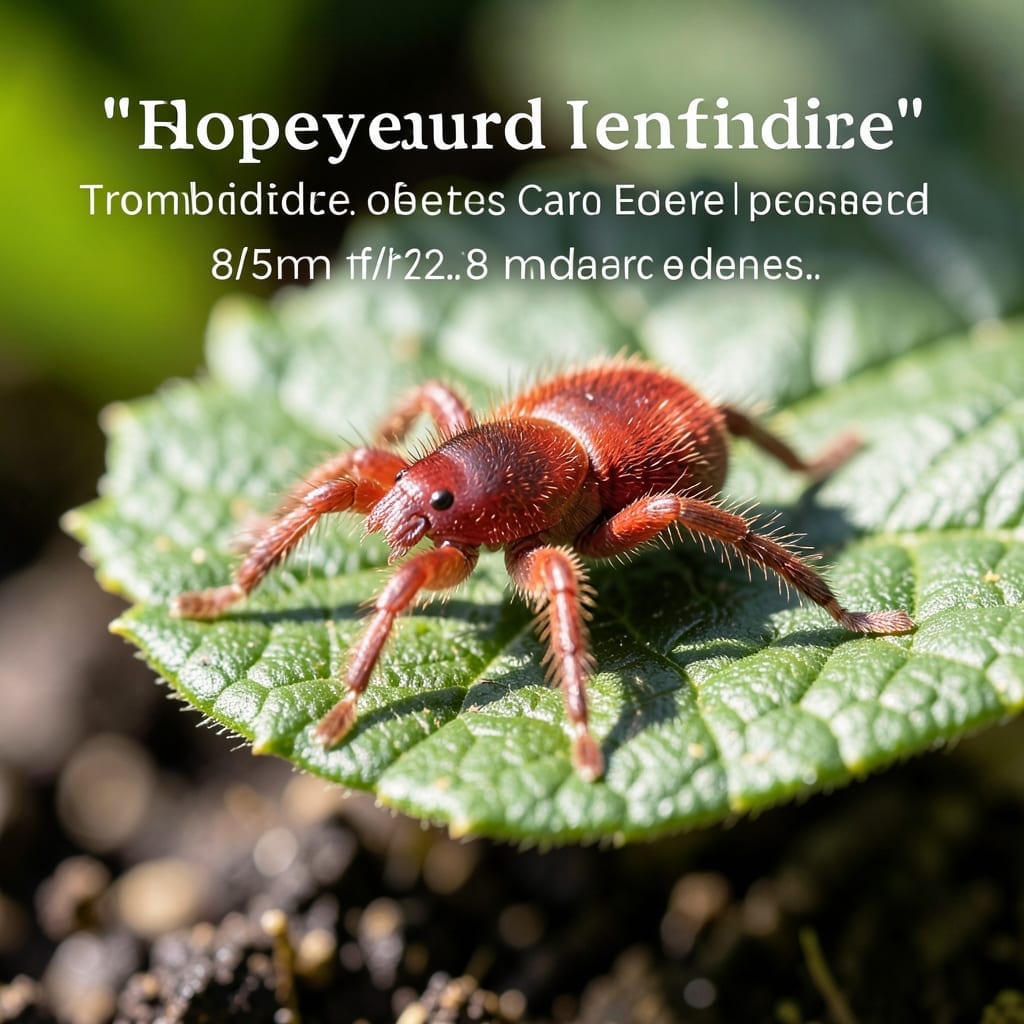
I spotted my first red velvet mite last summer and nearly mistook it for a pest. These tiny, fuzzy creatures are actually beneficial predators that keep your garden’s ecosystem in balance.
They thrive in healthy soil, feeding on harmful insects and decomposed organic matter. Unlike damaging mites, these bright red helpers improve soil structure while controlling pest populations naturally.
You’ll find them in warm, moist environments, often under mulch or compost. Their presence signals a thriving garden, but they can become a nuisance if their population explodes.
Learning to identify and manage them ensures they work for you, not against you. Here’s how to keep them in check while letting them do their job.
Garden red velvet mites, or Trombidium spp., emerge in your garden for specific ecological reasons. Their presence is often a sign of a balanced ecosystem, but understanding the causes can help you encourage or manage them effectively.
These mites thrive when their primary food sources—small insects, larvae, and other mites—are plentiful. Gardens with high populations of pests like aphids, thrips, or spider mites naturally attract red velvet mites, as they feed on these creatures during their active nymph stage. A diverse garden with decaying organic matter also provides additional prey, such as springtails or tiny arthropods.
Red velvet mites prefer damp, humid environments, which are ideal for their survival and reproduction. Overwatered soil, dense mulch, or shaded areas retain moisture, creating a perfect habitat. Gardens in regions with consistent rainfall or poor drainage are more likely to host these mites, as they avoid dry, exposed areas.
A garden rich in leaf litter, compost, or rotting wood offers shelter and breeding grounds for these mites. They lay eggs in soil crevices or under organic debris, where humidity and protection from predators are high. Healthy, untreated soil (free from chemical pesticides) further supports their population by preserving their natural prey and habitat.
If these tiny red helpers become too numerous or start invading unwanted areas, here’s how to gently restore balance to your garden ecosystem.
If you notice an excess of red velvet mites in a specific area, simply use a soft brush or damp cloth to carefully move them to a more suitable spot, like a compost pile or a less cultivated corner of the garden. These mites thrive in undisturbed, organic-rich soil, so giving them a new home helps maintain their role as pest predators.
Prevention tip: 💡 Avoid over-mulching, as thick layers can create overly moist conditions that encourage rapid mite multiplication.
While rare, red velvet mites may wander indoors, especially during extreme weather. Check for cracks in windows, doors, or foundation vents and seal them with caulk or weather stripping. Use a vacuum with a hose attachment to safely remove any stragglers without harming them.
Prevention tip: 🎯 Keep outdoor lights off at night near entryways, as they can attract insects that mites follow.
Though they rarely harm plants, large groups can occasionally nibble on tender seedlings. Protect vulnerable plants with a lightweight row cover or a ring of diatomaceous earth (food-grade) around the base. This keeps mites at bay without chemicals.
Prevention tip: ✨ Plant companion herbs like rosemary or thyme, which naturally deter mites from settling in one area.
Red velvet mites prefer damp environments. If they appear in potted plants, let the soil dry out slightly between waterings and ensure pots have good drainage. This encourages them to move on to more suitable habitats.
Prevention tip: 🌡️ Elevate pots off the ground to reduce moisture retention and limit mite access.
No, they’re actually beneficial! They feed on pests like aphids and other harmful mites, helping control garden invaders naturally.
The vibrant color serves as a warning to predators. It signals that they may be unpalatable or toxic, deterring birds and other creatures from eating them.
Provide moist, organic-rich soil and avoid chemical pesticides. Mulch and compost piles create ideal habitats for them to thrive.
They don’t bite people. Their mouthparts are designed for feeding on small insects and organic matter, not human skin.