
Beautiful Plants For Your Interior
Beautiful Plants For Your Interior
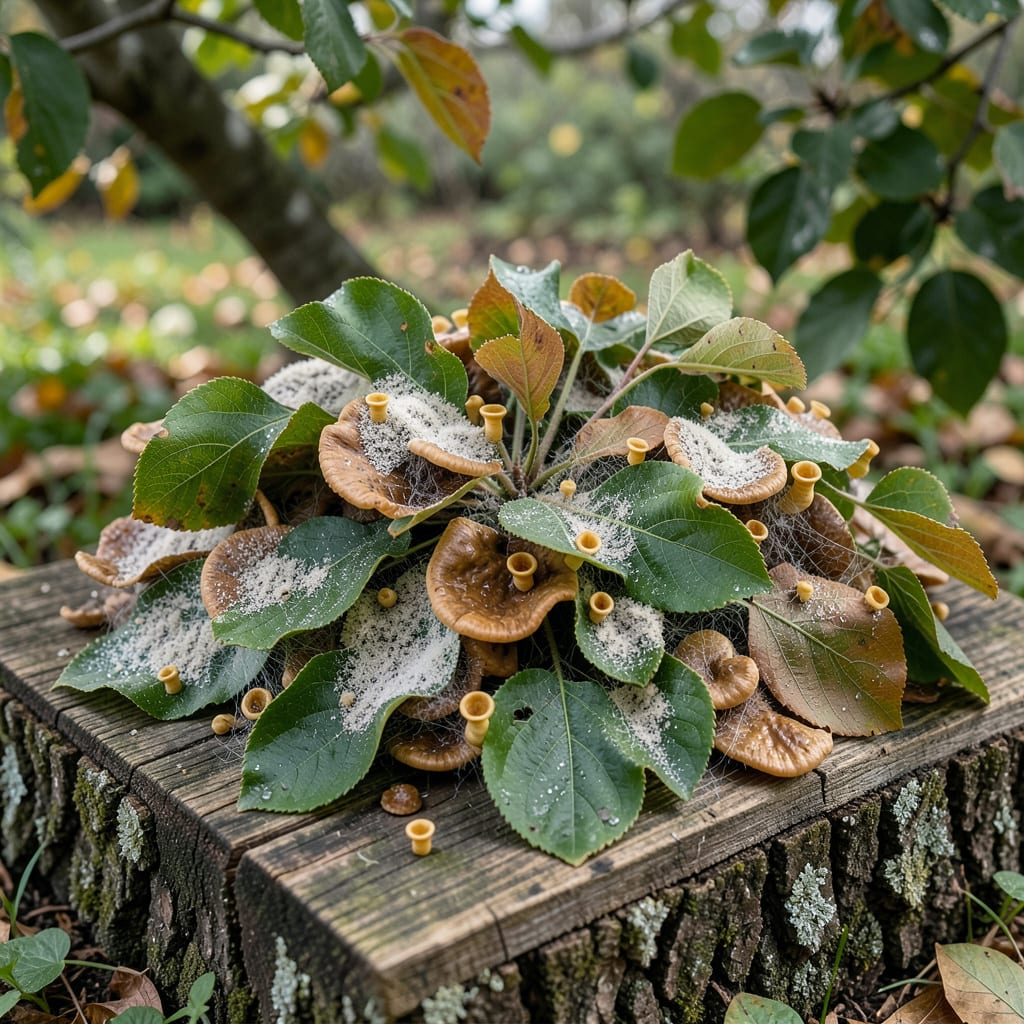
Spotted leaves on your apple tree aren’t just unsightly—they’re a warning. I’ve seen fungal infections spread through an entire orchard in two weeks if left unchecked, turning healthy trees into struggling skeletons.
Early detection is your best defense. Look for dark spots with feathery edges, yellow halos, or powdery coatings. These patterns appear before the real damage starts, giving you time to act before the disease takes hold.
The good news? Most fungal issues respond well to treatment if you catch them early. Copper sprays, neem oil, and even baking soda solutions can stop the spread. Prevention is simpler: clean up fallen leaves and improve air circulation.
This approach works for backyard trees and small orchards alike. The key is consistent monitoring and quick response.
Fungal infections on apple tree leaves often stem from a mix of environmental and biological factors. Below are the most common causes, each contributing to the spread of spores and disease.
Fungi thrive in damp, humid conditions. Prolonged leaf wetness—from rain, overhead irrigation, or dew—creates an ideal breeding ground. Poor airflow, common in densely planted orchards, slows drying time, allowing spores like Venturia inaequalis (apple scab) to germinate and infect leaves.
Fungal pathogens often survive winter in fallen leaves, twigs, or mummified fruit. In spring, spores release and infect new growth. Failing to remove leaf litter or prune diseased wood leaves a reservoir for reinfection.
Moderate temperatures (60–75°F) paired with moisture accelerate fungal growth. Apple scab, for example, spreads rapidly during cool, wet springs. Heat waves may slow some fungi, but inconsistent weather patterns can prolong spore viability.
Some apple cultivars lack genetic resistance to common fungi. Varieties like Golden Delicious or McIntosh are highly susceptible to powdery mildew and scab, while resistant types (e.g., Liberty) fare better. Weak or stressed trees—due to poor nutrition or drought—are also more prone to infection.
Pruning shears, harvest bins, or even workers’ hands can spread fungal spores between trees. Sanitizing tools with rubbing alcohol and avoiding wet conditions during pruning or picking reduces transmission risks.
Dealing with fungus on your apple tree leaves doesn’t have to be overwhelming. Here’s how to tackle common fungal issues and keep your tree healthy.
If you spot a white, powdery coating on leaves, act fast. Remove infected leaves and branches to prevent spread. Then, apply a baking soda solution (1 tbsp baking soda + 1 tsp dish soap + 1 gallon water) or a neem oil spray weekly until the issue clears. Prevention tip: 💡 Improve air circulation by thinning branches in early spring.
Dark, scabby spots on leaves or fruit mean apple scab is present. Rake and destroy fallen leaves in autumn to remove spores. Apply copper fungicide or sulfur sprays in early spring before buds open, and repeat every 7–10 days during wet weather. Prevention tip: 🌡️ Avoid overhead watering to reduce leaf moisture.
Orange, jelly-like spots on leaves? This fungus spreads from cedar trees. Prune off infected branches immediately. Apply fungicide sprays (like myclobutanil) at bud break and repeat every 2 weeks until petal fall. Prevention tip: ✨ Plant resistant apple varieties like ‘Liberty’ or ‘Enterprise’ if rust is a recurring problem.
For all fungal issues, sanitize pruning tools with rubbing alcohol between cuts to avoid spreading spores. Stay consistent—early action saves your harvest!
Yes! A baking soda solution (1 tbsp baking soda + 1 tsp dish soap + 1 gallon water) works well for powdery mildew. Spray weekly until symptoms disappear. Avoid harsh chemicals if organic growing is your goal.
Inspect leaves weekly during spring and fall, when fungi are most active. Focus on new growth and undersides of leaves where early signs often appear.
Spores travel by wind, rain, and contaminated tools. Isolate infected trees and sanitize pruners with rubbing alcohol between cuts.
Left untreated, fungi can defoliate your tree, weaken fruit production, and kill branches. Apple scab can reduce yields by 70% in severe cases.
