
Beautiful Plants For Your Interior
Beautiful Plants For Your Interior
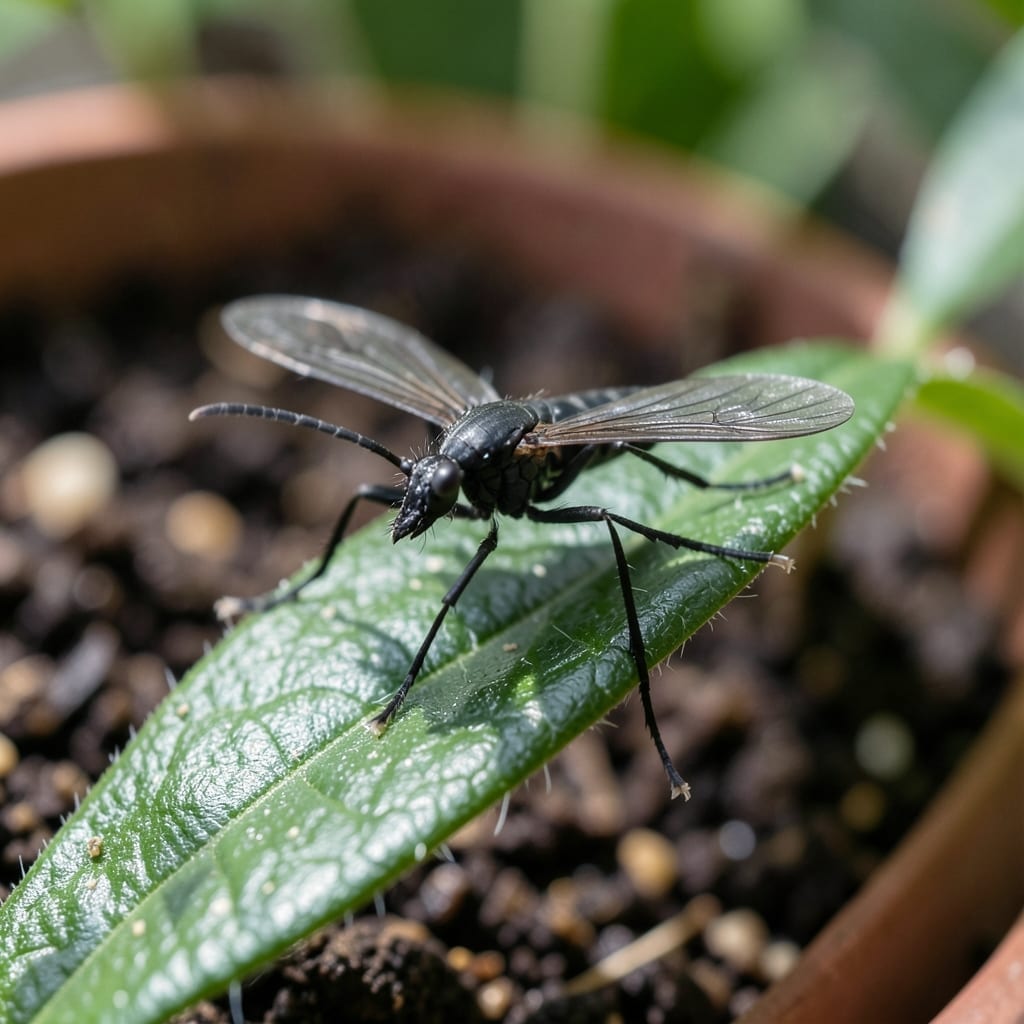
Tiny black flies hovering around your houseplants? I’ve been there. Fungus gnats are more than annoying—they’re a sign your soil is too wet, and their larvae are quietly munching on your plant’s roots.
Here’s the thing—they multiply fast. Left unchecked, a few gnats turn into a swarm in a week. The good news? You can break their life cycle without harsh chemicals. Simple tweaks to watering and soil habits make a huge difference.
I started with sticky traps and cinnamon, then added a fan for airflow. Within 10 days, the problem was gone. No store-bought sprays needed. The plants actually looked healthier afterward.
Works for all indoor plants, from ferns to ficus. Let’s clear them out for good.
Fungus gnat flies thrive in environments that provide their two essential needs: moisture and organic matter. Understanding the root causes helps you disrupt their lifecycle and reclaim your houseplants. Here’s why they appear in the first place:
Excess moisture in soil creates the perfect breeding ground for fungus gnats. These pests lay eggs in damp, decaying organic material, and their larvae feed on fungi and decomposing plant roots. Soggy soil—often from overwatering or pots without drainage holes—ensures their survival. Even well-meaning plant parents can accidentally create an ideal habitat by keeping soil consistently wet.
Potting mixes rich in compost, peat moss, or unsterilized garden soil often contain undecomposed organic matter. This material attracts fungus gnats, which lay eggs in the top 1–2 inches of soil. Old or reused potting mix is a common culprit, as it may already harbor eggs or larvae. Even fresh mixes can be problematic if they contain high levels of organic debris.
Stagnant air around houseplants traps moisture and prevents soil from drying out. Poor airflow—common in crowded plant displays or enclosed terrariums—encourages fungal growth, which in turn attracts gnats. Without proper ventilation, the top layer of soil stays damp, giving larvae ample time to mature into adults.
While organic fertilizers like fish emulsion or compost tea benefit plants, they also feed the fungi and microbes that fungus gnat larvae consume. Excessive or improperly applied fertilizers can create an overabundance of food for gnats, leading to rapid population growth. Balance is key—over-fertilizing does more harm than good.
Dealing with fungus gnats? Here’s how to tackle the issue at its source with simple, effective fixes.
Fungus gnats thrive in damp soil. Stop watering immediately and let the top 1-2 inches of soil dry out completely. Use a moisture meter or your finger to check. For severe cases, repot the plant in fresh, dry soil. Prevention tip: 💡 Water only when the topsoil is dry to the touch.
Rotting leaves, old mulch, or uneaten organic matter attract gnats. Clear away dead foliage, fallen leaves, and any organic debris from the pot or saucer. Replace old mulch with a fresh layer of gravel or sand to discourage moisture retention. Prevention tip: ✨ Keep your plant’s area clean and debris-free.
Use yellow sticky traps or a DIY vinegar trap (apple cider vinegar + dish soap in a shallow dish) to catch adult gnats. Place traps near infested plants. For a natural approach, introduce beneficial nematodes or Bacillus thuringiensis var. israelensis (Bti) to the soil to target larvae. Prevention tip: 🎯 Inspect new plants for gnats before bringing them indoors.
Ensure pots have drainage holes and use a well-draining potting mix (add perlite or coarse sand). Elevate pots to avoid water pooling in saucers. If drainage is poor, repot the plant in a container with better airflow. Prevention tip: 🌡️ Always use pots with drainage and empty saucers after watering.
Dense foliage traps moisture and creates a gnat paradise. Thin out crowded plants or separate them to improve airflow. Trim excess leaves to reduce humidity around the plant. Prevention tip: 🔥 Group plants with space between them for better ventilation.
With consistent treatment, you’ll see a noticeable reduction in 7-10 days. Complete eradication typically takes 2-4 weeks, as this breaks their life cycle. Sticky traps and drying soil speed up the process significantly.
Adult gnats don’t damage plants, but their larvae feed on roots and organic matter in soil. This can weaken young plants or seedlings. Healthy, established plants usually tolerate them, but it’s best to act quickly.
Yes! Repotting in fresh, dry soil removes larvae and eggs from the environment. Be sure to clean the pot thoroughly and use a well-draining mix. This is one of the most effective solutions.