
Beautiful Plants For Your Interior
Beautiful Plants For Your Interior
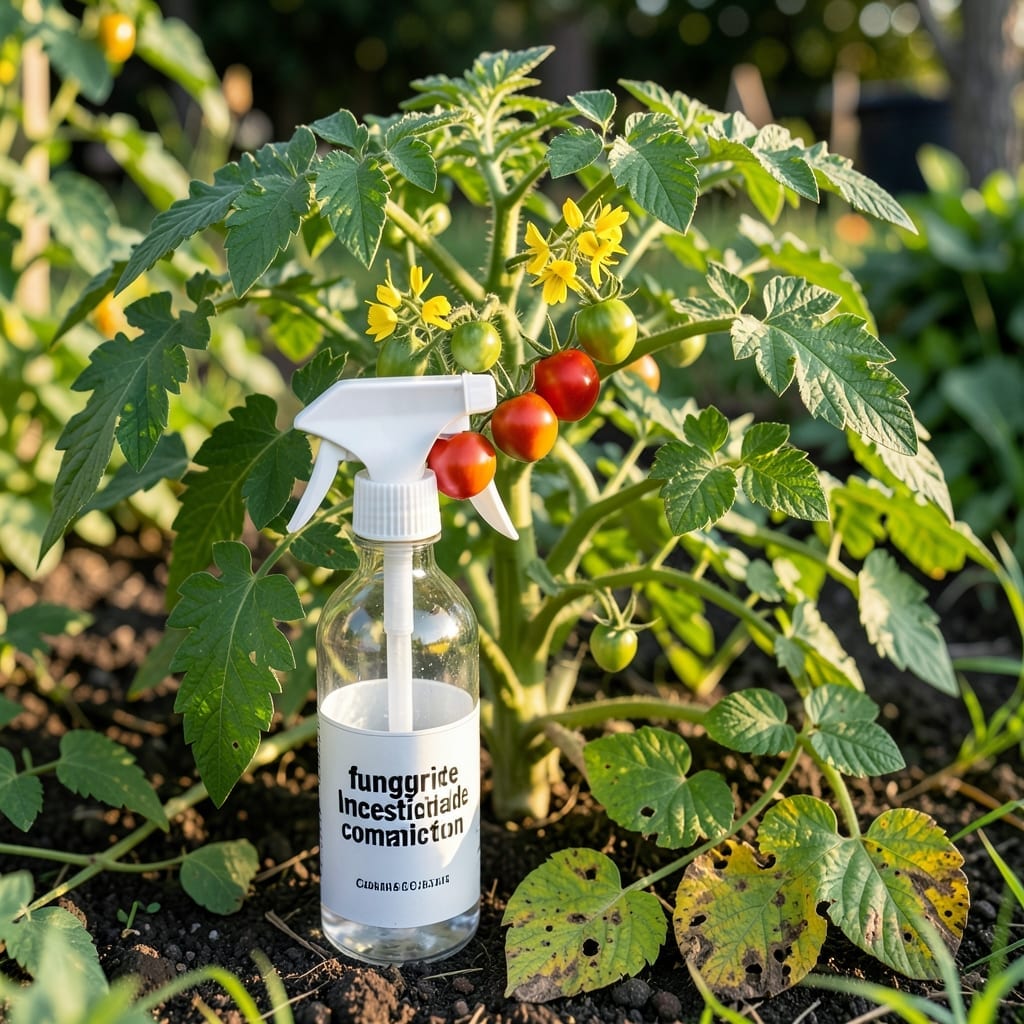
A fungicide insecticide combination treats both fungal diseases and insect pests in one application, saving time and improving plant health. Use preventatively or at first signs of trouble.
I love these combo products because they streamline garden care when you’re dealing with multiple threats at once. The fungicide targets powdery mildew or rust while the insecticide handles aphids or whiteflies, cutting your spraying time in half. 🌟
What makes them so effective is the synergistic effect—some active ingredients actually boost each other’s performance when combined properly.
💡 In This Article
The dual-action formula targets different biological pathways. Fungicides (like propiconazole or chlorothalonil) disrupt cell membrane formation in fungi, while insecticides (such as bifenthrin or imidacloprid) attack insect nervous systems. This creates a one-two punch against both plant diseases and pests simultaneously. 🔥
Absorption rates vary by product type. Systemic combinations are absorbed through leaves and translocated throughout the plant within 24-48 hours, providing internal protection. Contact formulas remain on the surface, requiring thorough coverage for maximum effectiveness against both fungi spores and crawling insects.
Residue longevity typically ranges from 7-14 days, depending on weather conditions. Rainfall can wash away contact products faster, while systemic options maintain efficacy longer. The synergistic effect occurs when one active ingredient enhances the other’s performance—some insecticides help fungicides penetrate plant tissues more effectively.
For example, neem oil combinations work by both smothering fungal spores and disrupting insect feeding patterns. This dual mechanism makes them particularly effective against soft-bodied pests like aphids while preventing powdery mildew. The oil’s residual effect can last 3-5 days under ideal conditions. ✨
Environmental factors play a crucial role in efficacy. Temperature above 85°F can cause some active ingredients to break down faster, while humidity below 40% may reduce fungal spore germination but also limit fungicide spread. Proper timing—early morning or late evening—maximizes absorption and minimizes evaporation.
It’s not recommended unless the label specifically allows it. Some combinations can reduce effectiveness or create harmful residues. Always check for compatibility first.
Most labels suggest applications every 7-14 days for prevention or 5-7 days during active infestations. Never exceed the maximum yearly applications stated on the product.
Some organic-approved options exist, like neem oil or sulfur-based combos. Look for OMRI certification on the label. Conventional products aren’t permitted in certified organic systems.
Avoid use during extreme heat above 90°F or when plants are water-stressed. Also skip application if rain is expected within 24 hours.