
Beautiful Plants For Your Interior
Beautiful Plants For Your Interior
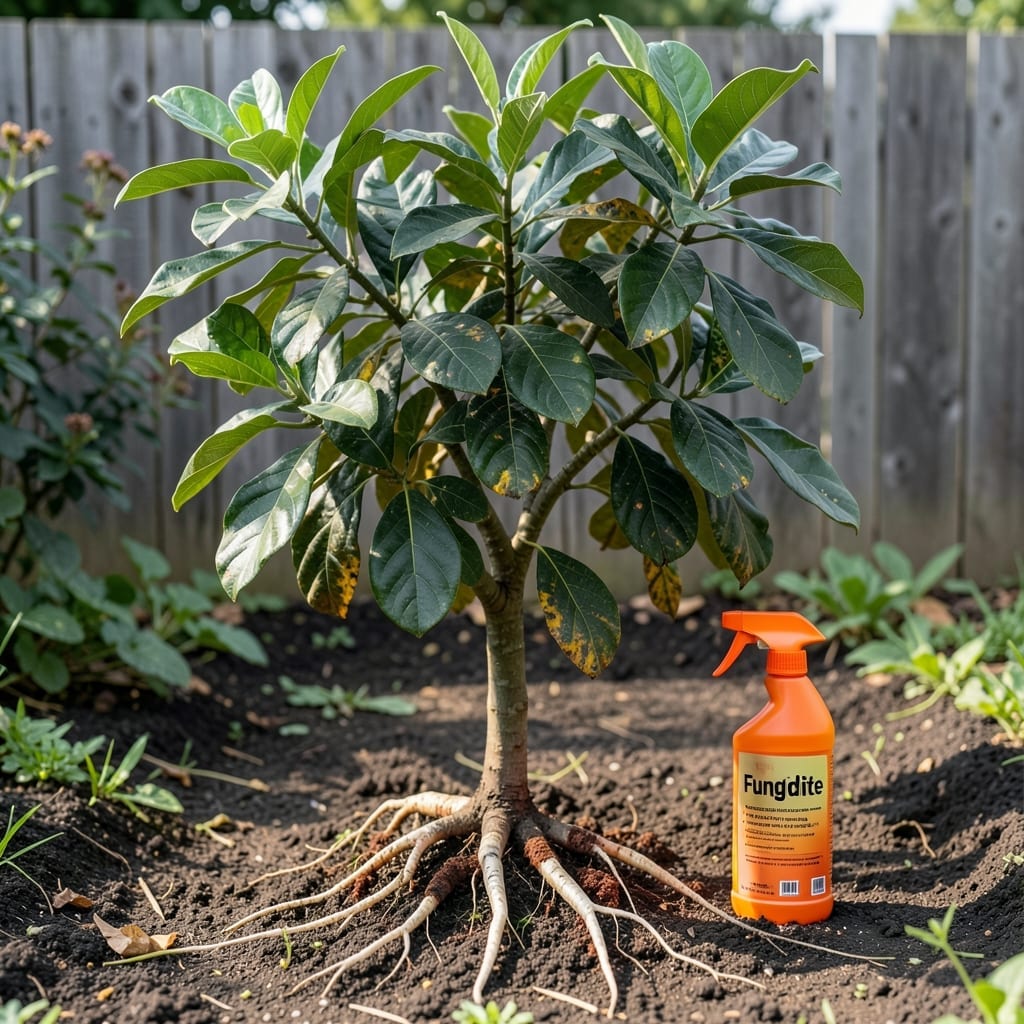
My avocado tree nearly died last summer from root rot. 🌱 The leaves yellowed, the soil stayed soggy, and I knew I had to act fast to save it.
Root rot sneaks up when soil stays too wet, suffocating the roots. I learned the hard way that prevention starts with well-draining soil and careful watering habits.
This project saved my tree with organic fungicides and better drainage. The recovery took 4-6 weeks, but new growth finally appeared.
Now I check soil moisture religiously and treat at the first sign of trouble. Your avocado can bounce back too with the right approach.
Avocado root rot doesn’t happen by chance—it’s the result of specific environmental and biological triggers. Understanding these causes is the first step toward effective prevention and treatment. Below are the primary reasons this devastating condition takes hold.
Avocado trees hate wet feet. When soil remains waterlogged due to heavy clay, compacted ground, or excessive irrigation, oxygen is displaced, creating an anaerobic environment. This stresses the roots and invites Phytophthora cinnamomi, the most common fungal pathogen behind avocado root rot. The fungus thrives in saturated conditions, attacking weakened roots and spreading rapidly.
Phytophthora and other root-rot fungi flourish in temperatures between 68–86°F (20–30°C) with high humidity. Avocado-growing regions like California and Florida are hotspots because these conditions accelerate fungal growth. Even well-draining soil can become a breeding ground if warm, moist weather persists without intervention.
The fungus can lie dormant in soil for years or spread via infected tools, shoes, or even runoff water. If you’ve replanted in an area with a history of avocado root rot—or used unsterilized pruning shears—the pathogen may already be present, waiting for the right conditions to strike.
Not all avocado varieties resist root rot equally. Trees grafted onto Mexican rootstocks (e.g., Persea americana) are highly vulnerable, while West Indian or Guatemalan hybrids show more resistance. If your tree’s rootstock isn’t adapted to wet conditions, it’s at higher risk, even with moderate watering.
Root rot in avocado trees can be distressing, but with the right approach, your tree can bounce back. Below are targeted solutions based on the cause, along with prevention tips to keep your avocado healthy long-term.
Fix: Stop watering immediately and let the soil dry out. If the tree is in a pot, move it to a sunny, breezy spot to speed up drying. For in-ground trees, improve drainage by amending the soil with coarse sand or perlite. Consider installing a French drain if waterlogging is a recurring issue.
Prevention: Water only when the top 2-3 inches of soil are dry. Use a moisture meter to avoid guesswork. Ensure pots have drainage holes, and plant in-ground trees in raised beds if your soil retains too much water.
Fix: Apply a copper-based fungicide or a biological fungicide like Trichoderma or Bacillus subtilis to the soil. Remove any heavily infected roots (dark, mushy, or foul-smelling) with sterilized pruning shears. Treat the remaining healthy roots with a fungicide solution.
Prevention: Avoid overwatering and ensure good air circulation around the tree. Mulch with well-rotted compost or wood chips to encourage beneficial soil microbes that suppress fungal growth.
Fix: Loosen the soil gently around the roots using a garden fork, being careful not to damage them. Mix in organic matter like compost to improve soil structure. For severe compaction, consider aerating the soil with a core aerator.
Prevention: Avoid walking or placing heavy equipment near the tree’s root zone. Regularly add organic mulch to keep the soil loose and fertile.
💡 Pro Tip: Always sterilize your tools with rubbing alcohol before and after pruning to prevent spreading fungal spores to other plants.
Apply copper-based fungicide every 2-3 weeks during active growth or after heavy rains. For severe cases, treat weekly until symptoms improve. Always follow product instructions for exact timing.
Yes! Neem oil, baking soda or compost tea can help suppress fungal growth. Biological options like Trichoderma or Bacillus subtilis boost soil health naturally.
Waterlogged soil prevents oxygen from reaching roots and dilutes fungicide effectiveness. Always address drainage issues before applying any treatment.
Apply in the early morning when temperatures are cool and foliage can dry quickly. This prevents leaf burn and allows maximum absorption. Avoid applying in extreme heat or before rain.