
Beautiful Plants For Your Interior
Beautiful Plants For Your Interior
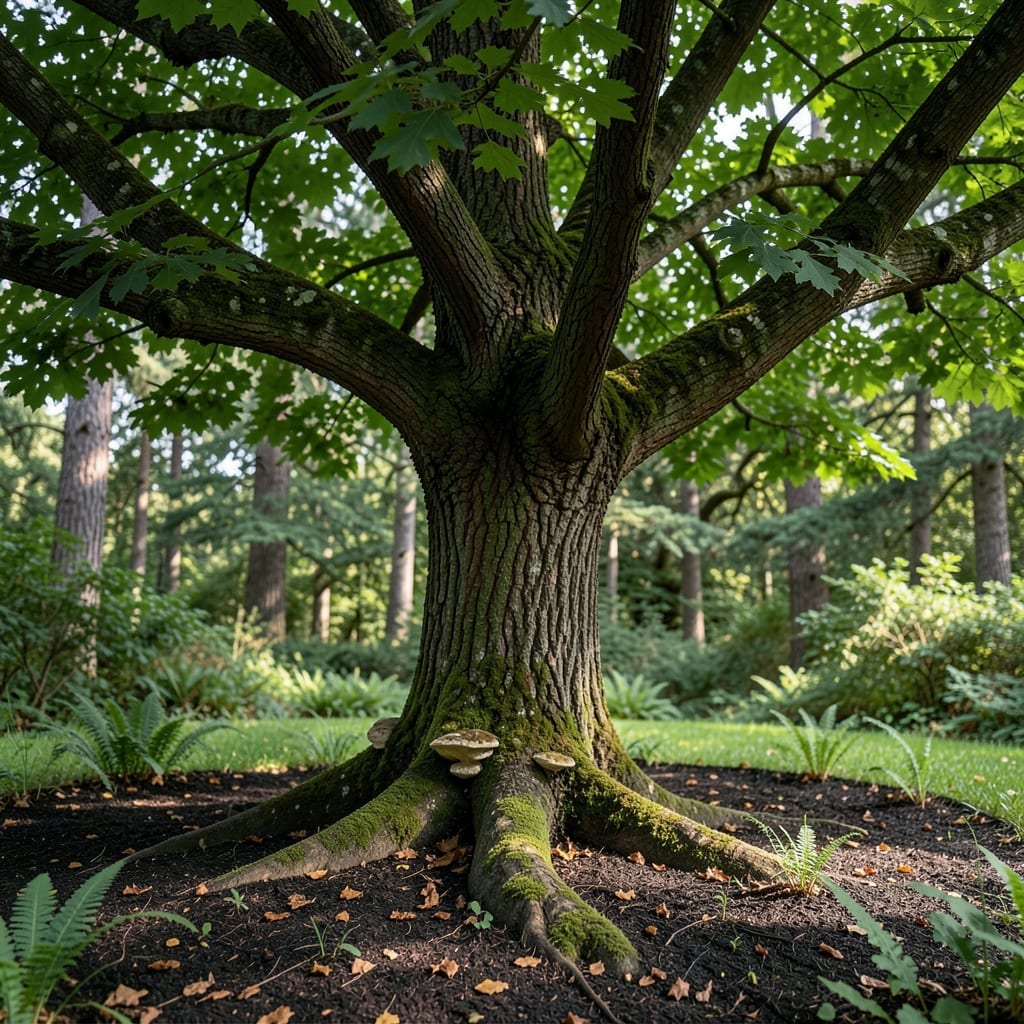
Those white or brown spots on your tree trunk aren’t just ugly—they’re a warning sign. 🌳 I’ve seen healthy trees decline fast when fungi take hold, but catching it early makes all the difference.
Most trunk fungi start as harmless spores that land on damaged bark or wet wood. Left unchecked, they can rot the tree from the inside out. The good news? Natural removal methods work if you act before the infection spreads too deep.
You’ll learn to spot the common culprits—shelf fungi, powdery mildew, and canker-forming types—plus the exact steps to treat them without harsh chemicals. Proper pruning and airflow are your best prevention.
Works for oaks, maples, fruit trees—any woody plant in your yard. Let’s save those trees.
Fungi on tree trunks often appear due to specific environmental and biological factors. Understanding these causes helps in prevention and treatment.
Prolonged dampness is a primary trigger. Trees in poorly drained soil or exposed to frequent rain retain moisture, creating an ideal habitat for fungal spores. Overwatering or high humidity levels accelerate growth.
Physical damage—such as pruning cuts, animal scratches, or storm injuries—exposes inner bark. Fungal spores land on these wounds, colonizing the vulnerable tissue. Always sterilize pruning tools to minimize infection risk.
Accumulated leaf litter, dead branches, or mulch around the base traps moisture and provides nutrients for fungi. Regularly clear debris to reduce spore germination opportunities.
Fungi thrive in cool, shaded environments. Trees in dense canopies or northern-facing slopes are more susceptible. Improving airflow and sunlight penetration can inhibit fungal development.
Some fungi, like Ganoderma or Armillaria, spread through root contact or airborne spores. Weak or stressed trees (due to drought or disease) are less resistant to these pathogens.
Dealing with fungi on tree trunks starts with identifying the type of fungus and addressing its root cause. Below are targeted solutions for common fungal issues, paired with prevention tips to keep your trees healthy long-term.
Powdery mildew thrives in humid, stagnant conditions. Prune overcrowded branches to enhance airflow and reduce moisture buildup. Remove heavily infected leaves or limbs and dispose of them far from the tree. For mild cases, spray a mixture of 1 tablespoon baking soda + 1 teaspoon dish soap + 1 gallon of water weekly until the fungus clears.
Fungi like Ganoderma or Fomes signal internal decay. Cut out the infected wood with a sterilized saw, making sure to remove at least 6 inches beyond the visible damage. Apply a copper-based fungicide to the wound to prevent regrowth. For severe cases, consult an arborist—some trees may need removal to protect others.
Prevention tip: 💡 Avoid wounding tree bark with lawn equipment, as open injuries invite fungal spores.
Fungi such as Phytophthora flourish in soggy soil. Improve drainage around the tree base by amending the soil with compost or creating a slight slope. Mulch with coarse bark or wood chips (not piled against the trunk) to absorb excess water. Water trees deeply but infrequently, allowing the soil to dry between sessions.
Natural solutions work best when paired with consistent care. Act at the first sign of trouble to stop fungi from spreading!
Yes, some types like Ganoderma or Armillaria can cause severe internal rot. If left untreated, they may weaken the tree enough to kill it within 2-5 years.
Most are harmless to humans, but avoid touching spore-producing fungi like shelf mushrooms. Some can irritate skin or trigger allergies. Always wash hands after handling.
Check trunks and branches at least once a month during growing season. Early detection is key to preventing spread. Pay extra attention after storms.
No, visible growth often means the infection has already spread internally. You must remove all infected wood plus 6 inches beyond visible damage.