
Beautiful Plants For Your Interior
Beautiful Plants For Your Interior
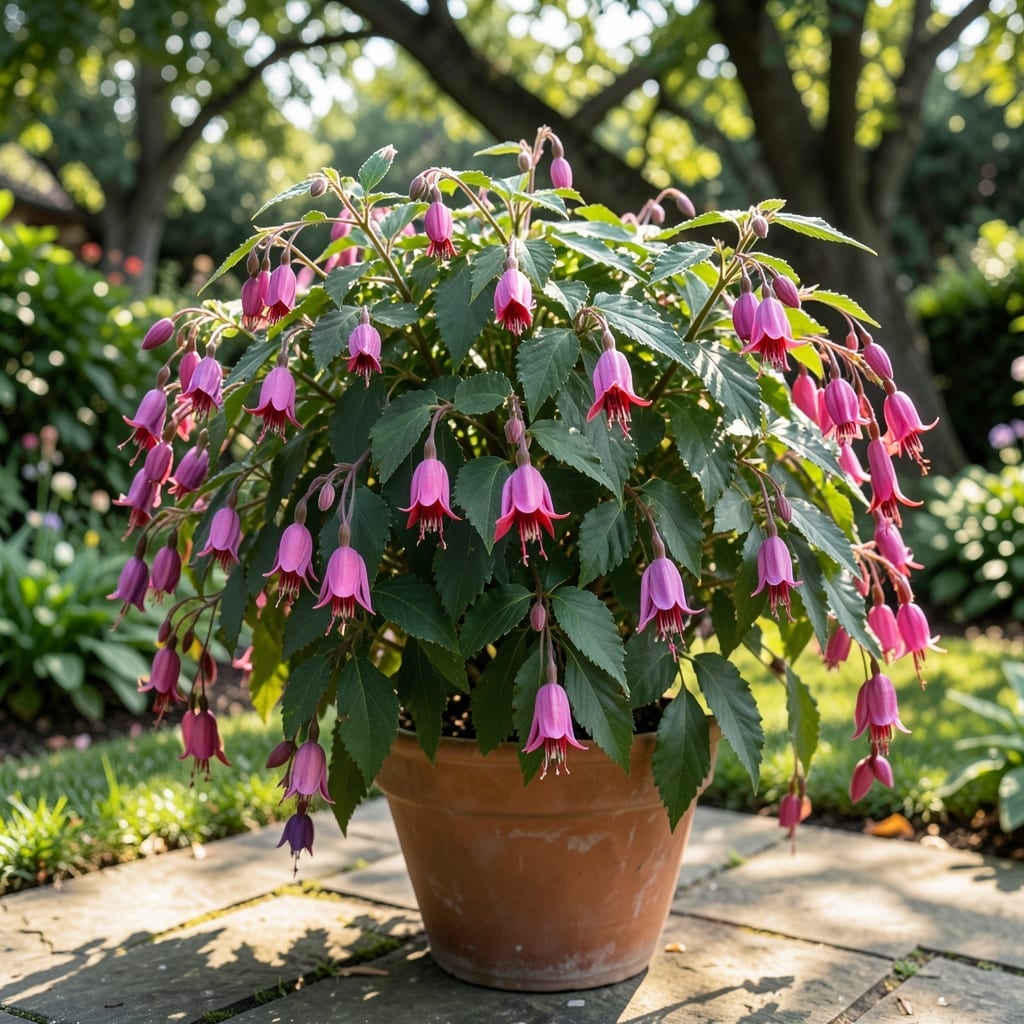
Fuchsias are temperature divas with very specific needs. I learned this the hard way after losing half my collection to a late spring cold snap.
These plants thrive in 60-70°F days and 55-60°F nights. Push them beyond these ranges and you’ll see wilting, leaf drop, or stalled blooming. They hate heat waves and frost equally.
Watch for curled leaves or bud drop—your plant’s way of saying it’s uncomfortable. A simple move to shade or indoors often solves the problem within hours.
Consistent conditions mean nonstop blooms from spring through fall. The payoff for getting this right is a plant that looks like it’s on steroids.
Fuchsias are-sensitive plants that react strongly to temperature fluctuations. Their struggles often stem from biological and environmental factors that disrupt their natural growth processes. Here’s why it happens:
Fuchsias thrive in a narrow temperature range (typically 55–75°F or 13–24°C). When exposed to temperatures outside this zone, their cellular structures suffer. Heat stress above 85°F (29°C) accelerates water evaporation, leading to wilting and leaf scorch. Conversely, cold snaps below 40°F (4°C) slow metabolic processes, causing stunted growth or even root rot due to poor water absorption.
Temperature extremes interfere with a fuchsia’s ability to absorb and transport water. In high heat, the plant’s roots can’t keep up with the demand for moisture, leading to dehydration. In cold conditions, water molecules move slower in the soil, making it harder for roots to take in nutrients. This imbalance triggers stress responses like leaf drop or flower bud abortion.
Fuchsias rely on a delicate balance of growth hormones (like auxins and gibberellins) to regulate blooming and foliage development. Temperature swings disrupt this balance. For example, prolonged heat can overstimulate ethylene production—a hormone that triggers premature aging—while cold shocks suppress flowering hormones, delaying or preventing blooms entirely.
Stressed fuchsias are more vulnerable to pests and diseases. High humidity coupled with heat creates ideal conditions for fungal infections like powdery mildew. Cold stress weakens the plant’s immune system, making it easier for pathogens to take hold. Maintaining stable temperatures helps the plant allocate energy toward defense rather than recovery.
If your fuchsia is struggling due to temperature stress, these targeted fixes will help it bounce back. Address each issue quickly to restore its vibrant blooms.
If your fuchsia is wilting or developing brown leaf edges from excessive heat:
Prevention tip: 💡 Use shade cloth (30-50%) during peak summer months if outdoor temperatures exceed 85°F (29°C).
For fuchsias exposed to chilly drafts or frost:
Prevention tip: 🌱 Harden off plants gradually in spring to acclimate them to outdoor temperatures.
Low humidity can cause leaf drop, while high humidity invites fungal problems:
Prevention tip: ✨ Place a tray of water with pebbles near the plant to maintain consistent humidity levels.
Fuchsias can tolerate brief dips to 40°F, but prolonged exposure below this causes damage. Anything under 32°F will likely kill the plant.
Look for wilting leaves, crispy edges, or buds that refuse to open. Move it to shade if temps exceed 85°F for more than a few hours.
Yes, but monitor heat and humidity closely. Use shade cloth during peaks and ensure consistent watering to prevent stress.
If only leaves are affected, prune damaged parts and move to warmth. Severe frost damage to stems may be irreversible.