
Beautiful Plants For Your Interior
Beautiful Plants For Your Interior
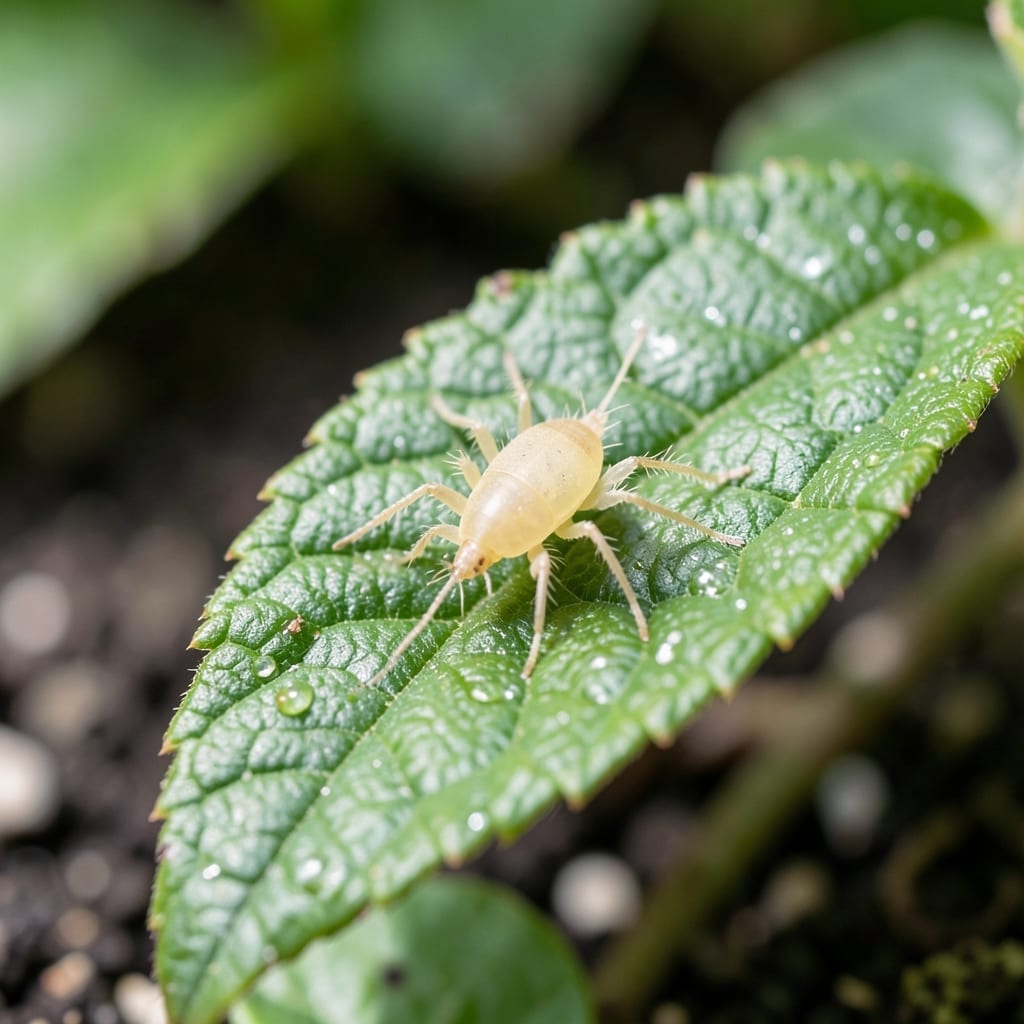
Tiny mites can wreak havoc on your fuchsias. I learned this the hard way when my once-thriving plants started showing distorted, stunted growth overnight.
The culprit was fuchsia gall mite, a microscopic pest that targets new shoots and buds. Left unchecked, it turns healthy plants into twisted, discolored messes within weeks.
Early detection is your best defense. Look for reddened, swollen shoots and curled leaves—classic signs of an infestation. The sooner you spot it, the easier it is to contain.
With the right approach, you can save your plants and prevent future outbreaks. Here’s how to tackle it head-on.
The fuchsia gall mite, Aculops fuchsiae, doesn’t appear out of thin air—it thrives due to specific environmental and biological conditions. Understanding these triggers helps gardeners prevent infestations before they spiral out of control.
These microscopic pests flourish in mild, humid environments. Temperatures between 60–75°F (15–24°C) with high moisture levels create the perfect breeding ground. Coastal regions or greenhouses often see the worst outbreaks because they mimic the mite’s native tropical habitat.
The most common cause of spread is introducing infected plants or cuttings into a garden. Fuchsia gall mites hitchhike on new foliage, especially if sourced from nurseries with poor pest management. Even seemingly healthy plants can harbor mites in their buds or stem tips, where they’re hardest to detect.
In nature, predator mites and certain insects keep Aculops fuchsiae populations in check. However, in cultivated gardens—especially those using broad-spectrum pesticides—their natural enemies are often absent. Without these checks, the mites multiply rapidly, leading to severe gall formation on leaves and flowers.
Frequent overhead watering or dense plant spacing traps moisture on foliage, accelerating mite reproduction. Splashing water can also spread mites between plants. Drip irrigation or watering at the base reduces this risk while keeping plants hydrated.
When fuchsia gall mites strike, quick action can save your plants. Here’s how to tackle each issue head-on, with simple fixes and prevention tips to keep your garden thriving.
Fix: Prune and destroy all affected plant parts immediately to remove mite habitats. Sterilize your pruning tools with rubbing alcohol between cuts to avoid spreading the pests. For severe infestations, apply neem oil or insecticidal soap every 5–7 days until the problem clears.
Prevention: Inspect new plants carefully before bringing them home. Quarantine them for 2–3 weeks to ensure they’re mite-free.
Fix: Improve air circulation around your fuchsias by spacing plants apart. Remove fallen leaves and debris, as mites thrive in damp, crowded conditions. A gentle spray of water can dislodge mites, but avoid overwatering.
Prevention: Water plants at the base in the morning so foliage dries quickly. Use mulch to reduce soil-borne humidity.
Fix: Introduce natural predators like ladybugs or predatory mites (e.g., Phytoseiulus persimilis) to your garden. For a quick knockdown, use a horticultural oil spray, but apply it in the evening to avoid harming beneficial insects.
Prevention: Plant companion species like marigolds or nasturtiums, which repel mites naturally. Rotate crops annually to disrupt pest life cycles.
💡 Pro Tip: Regularly wipe down leaves with a damp cloth to remove dust and early mite colonies before they take hold.
Look for distorted, stunted growth or reddened, swollen shoots. Leaves may curl or develop galls. These signs often appear first on new growth.
Prune off all affected parts immediately and destroy them. Treat the rest with neem oil every 5-7 days. Severe cases may require removing the entire plant to protect others.
Quarantine new plants for 2-3 weeks before introducing them. Always sterilize pruning tools between cuts with rubbing alcohol.
Yes! Ladybugs and predatory mites like Phytoseiulus persimilis can help control infestations. Avoid broad-spectrum pesticides that kill these helpful insects.