
Beautiful Plants For Your Interior
Beautiful Plants For Your Interior
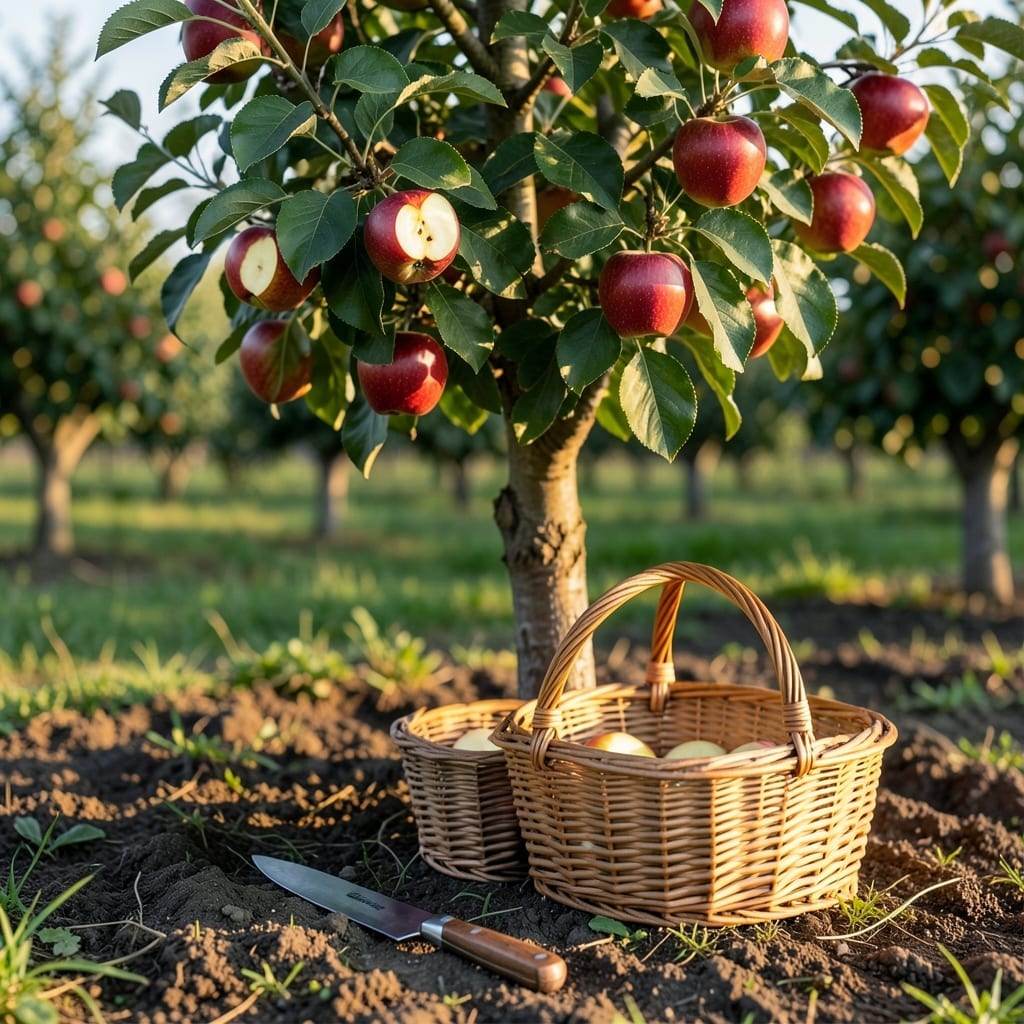
Common fruits with white interiors include apples, pears, and dragon fruit. Some varieties like white-fleshed peaches or lychees also fit this description.
What I find fascinating is how the color often signals ripeness or variety—like how a Bartlett pear shifts from green to yellow as it matures but keeps its pale flesh. 🔥 Many tropical options also surprise people with their snowy centers, from guava to certain melon types.
What’s less obvious is that some fruits change color when exposed to air, so timing your cut matters. ✨
💡 In This Article
The color of fruit flesh comes from pigment compounds. White interiors usually mean an absence of carotenoids or anthocyanins, which create yellows, oranges, and reds. Instead, these fruits often contain more chlorophyll derivatives that appear pale. The texture can range from crisp and juicy to soft and creamy, depending on the variety and ripeness. 🌟
Apples showcase this well with their ivory to pale cream flesh that stays firm even when ripe. Pears have a similar hue but with a grainier, buttery texture. Dragon fruit surprises with its kiwi-like speckled white interior studded with tiny black seeds.
Each has a distinct mouthfeel—apples snap, pears melt, and dragon fruit offers a subtle crunch.
Less common but equally fascinating are white-fleshed peaches, which lack the typical golden or red pigments. Their flesh is often sweeter and more delicate than yellow varieties. Lychees reveal a translucent white to off-white center that’s juicy and floral, protected by a rough pink shell.
These variations show how genetics and growing conditions shape both color and taste.
What ties these fruits together is their high water content, often 85-90%, which contributes to their pale appearance. The lack of dark pigments also means they’re less prone to browning when cut, though apples and pears will still oxidize over time.
This makes them ideal for fresh eating or dishes where you want to preserve a clean, light aesthetic. ✨
For the rare finds, look for white strawberries or white guava. These have a milder flavor profile compared to their colorful counterparts, with subtle floral or honeyed notes. Their pale interiors make them visually striking in fruit salads or as garnishes, adding an unexpected twist to any presentation. 💫
The white interior comes from lacking carotenoids or anthocyanins. Instead, these fruits contain chlorophyll derivatives that appear pale, often with 85-90% water content contributing to their light appearance.
Dragon fruit often has the most striking white flesh with black seeds. Apples and pears consistently show pale interiors, while lychees reveal a translucent white center when peeled.
Some do, like apples and pears, due to oxidation. Others, like dragon fruit, resist browning because they lack dark pigments. Always cut just before serving for best appearance.
Not necessarily. While they may have fewer pigments, they often contain comparable vitamins and fiber. White peaches, for example, can be sweeter and more delicate than yellow ones.
Yes! Start with disease-resistant types like Bartlett pears. Ensure 6-8 hours of sun daily and well-draining soil with pH 6.0-7.0 for best results.