
Beautiful Plants For Your Interior
Beautiful Plants For Your Interior
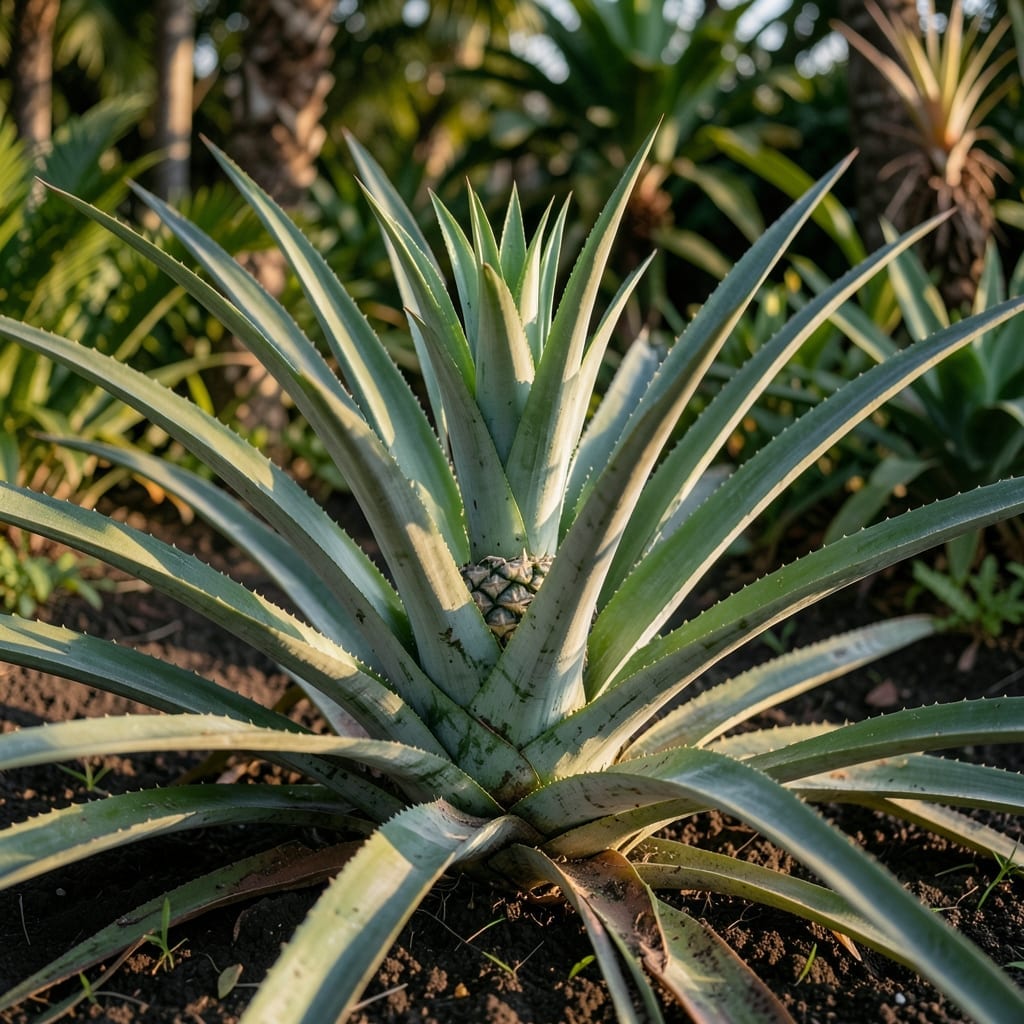
Growing Pineapple 🍍 at home might seem like a tropical fantasy, but it’s more achievable than you think. With the right approach, you can cultivate these sweet, spiky fruits right in your own space.
Many assume pineapples require a commercial plantation, but the truth is simpler. These plants thrive with basic care and the right environment, making them perfect for home gardens.
Whether you’re in zones 10-12 or adapting to cooler climates, success starts with understanding their needs. I’ll walk you through the essentials to get started.
Discover how to create the perfect conditions for your pineapples to flourish, from soil to sunlight. Let’s make this tropical dream a reality.
Creating the perfect pineapple growing conditions starts with replicating their native tropical environment. These plants flourish in warm climates with temperatures ranging from 70-90°F. Consistency is key, as pineapples dislike cold snaps or frost.
Humidity plays a crucial role too. Aim for 50-70% humidity to mimic their natural habitat. This helps the plant retain moisture and supports healthy foliage growth.
| Requirement | Specification |
|---|---|
| Temperature | 70-90°F |
| Humidity | 50-70% |
| Soil Type | Sandy loam |
| Soil pH | 4.5-6.5 |
| Sunlight | 6-8 hours daily |
The right soil conditions are non-negotiable for pineapples. They need well-draining sandy loam to prevent waterlogging, which can rot their shallow roots. A slightly acidic pH of 4.5-6.5 is ideal for nutrient uptake.
Sunlight exposure is another critical factor. Pineapples require 6-8 hours of direct sunlight daily. In insufficient light, plants grow slowly and may never produce fruit. South-facing locations work best in the Northern Hemisphere.
I’ve found that container growing works well in areas with less-than-ideal soil. Just ensure your pots have drainage holes and use a cactus mix amended with perlite. This mimics the loose, fast-draining conditions they love.
For those in dry climates, don’t despair. While pineapples are drought-tolerant, they’ll produce better fruit with consistent moisture. Mulching with straw helps retain soil moisture without waterlogging.
Their root system is surprisingly shallow, so focus on the top 6-12 inches of soil quality. Regularly check that water drains quickly after watering—standing water is a death sentence for pineapples.
Remember that air circulation matters too. Plant your pineapples with 2-3 feet of space between plants. This prevents fungal issues and allows each plant to get adequate light.
In my experience, the biggest mistake gardeners make is overwatering. Pineapples store water in their leaves, so they prefer drier conditions over soggy soil. Water only when the top inch of soil feels dry.
With these core conditions met, you’ll be amazed at how resilient and rewarding pineapple plants can be in your garden 🌱
Don’t let a cooler climate stop you from growing pineapples. With some creativity, you can recreate their tropical growing conditions at home. I’ve successfully grown them in containers on my sunny patio.
The key is providing consistent warmth and light. Pineapples need 6-8 hours of sunlight daily, which can be achieved with grow lights indoors or by placing pots in the sunniest spot outdoors.
A greenhouse is ideal for extending the growing season. Even a small cold frame can provide the extra warmth pineapples crave during cooler months. I’ve used a DIY hoop house with great success.
For indoor growing, choose dwarf varieties like ‘Sugarloaf’ or ‘Queen’. These stay smaller and adapt better to container life.
Winter protection is crucial. Before the first frost, move potted pineapples indoors or to a heated greenhouse. If planted in ground, use thick mulch and frost cloth to insulate the roots.
I’ve learned that humidity trays help indoor plants. Place pots on a tray of pebbles and water to create a microclimate with higher humidity around your pineapple.
With these adaptations, you can enjoy homegrown pineapples even outside the tropics 🌱