
Beautiful Plants For Your Interior
Beautiful Plants For Your Interior
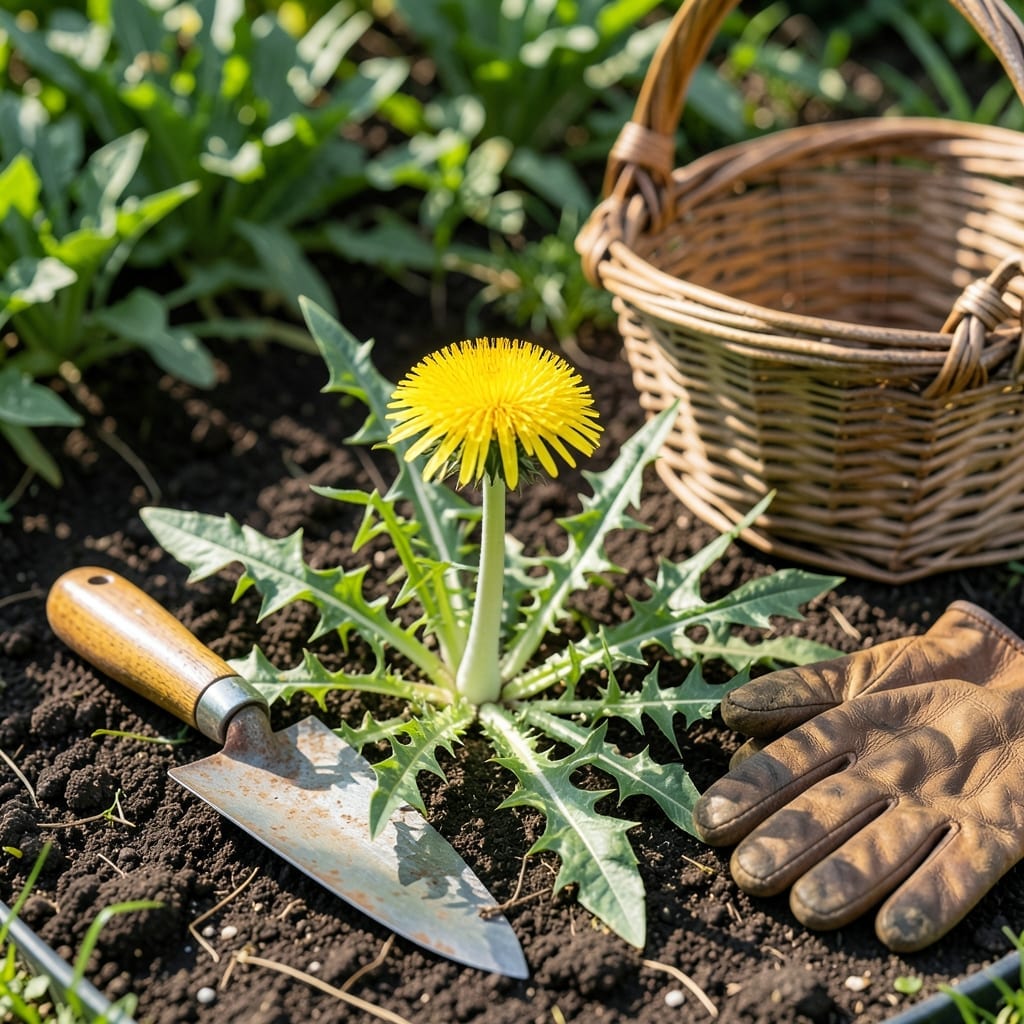
I spent years fighting dandelions before realizing they’re the most resilient garden ally. These tough plants thrive in poor soil and ask for almost nothing in return.
Harvesting fresh roots gives you a powerful organic tool for soil health and pest control. The key is timing—dig in early spring or late fall for the best results.
📚 In This Guide
Here’s how I grow robust dandelions for harvest without chemicals, every time.
Choose a location with full sun to partial shade—dandelions tolerate a range of light but thrive best with at least 6 hours of direct sunlight daily. I prefer a spot with loose, well-draining soil, though these plants adapt to most conditions. Avoid areas treated with herbicides in the past 2-3 years, as residues can persist and affect growth.
Loosen the top 12 inches of soil with a garden fork to encourage deep root development. Remove any competing weeds, especially grasses, which can outcompete young dandelions. The soil doesn’t need amending—dandelions grow well in poor soil, which often produces the most potent roots.
Sow seeds directly in early spring or late summer, scattering them thinly over the prepared soil. Press them lightly into the surface—dandelion seeds need light to germinate, so avoid burying them. Mist the area gently to avoid dislodging the seeds, and keep the soil consistently moist until germination occurs in 7-14 days.
Alternatively, transplant wild seedlings you’ve dug up from untreated areas. Space them 8-12 inches apart to allow room for mature rosettes. Water immediately after planting to help roots establish. I’ve found wild-transplanted dandelions often grow more vigorously than seed-started ones, as they’ve already adapted to local conditions.
Dandelions require almost no maintenance once established. Water only during prolonged droughts—1 inch of water per week is plenty. Overwatering leads to weak roots, which defeats the purpose of growing them for harvest. These plants are drought-tolerant, and slightly stressed conditions often enhance root potency.
Skip fertilizers entirely. Dandelions thrive in low-fertility soil, and excessive nitrogen produces lush foliage at the expense of root development. If weeds encroach, pull them by hand or use a hoe carefully to avoid damaging dandelion roots. By mid-summer, you’ll notice the characteristic deep taproots forming—this is your sign the plants are ready for harvest.
Wait until plants are at least 1 year old before harvesting roots. The best time is in early spring or late fall, when carbohydrate levels in the roots are highest. Use a garden fork to gently lift the entire plant from the soil, taking care not to break the taproot. A mature dandelion root can extend 12-18 inches deep, so dig carefully.
Shake off excess soil and rinse the roots under cool water to remove debris. For fresh use, harvest as needed. For storage, dry the roots thoroughly in a dark, well-ventilated area for 1-2 weeks before storing in an airtight container. Fresh roots are best used within 2-3 days for maximum potency.
These insights will help you maximize potency and yield from your harvest.
The Sunlight Factor: The 6 hours of direct sunlight mentioned in Step 1 isn’t just a suggestion—it’s critical for robust root development. Dandelions grown in full sun produce significantly more potent roots with higher carbohydrate content. I’ve noticed plants in partial shade tend to have smaller, less concentrated roots.
Soil Preparation Secret: When loosening the top 12 inches of soil in Step 1, focus on breaking up compacted areas thoroughly. This encourages the deep taproot growth that makes dandelion root so valuable. The deeper the roots can grow, the more medicinal compounds they’ll develop.
Watering Wisdom: That 1 inch of water per week in Step 3 is the sweet spot. Here’s what nobody tells you—dandelions actually prefer slightly dry conditions. Overwatering creates weak, shallow roots, while controlled water stress produces the most concentrated, beneficial compounds in the roots.
Harvest Timing: The 1-2 weeks drying time in Step 4 is non-negotiable for storage. Fresh roots are best used within 2-3 days, but properly dried roots can last for years. I’ve found that roots dried in a dark, well-ventilated area maintain their potency far better than those dried in direct sunlight.
The ideal time is in early spring (March–April) or late fall (September–October) when the roots are rich in nutrients. Harvest before the plant flowers for the best flavor and medicinal properties.
Yes! Fresh dandelion root can be eaten raw, but it’s quite bitter. Many prefer roasting or drying it to mellow the taste. Always wash it thoroughly before consuming.
Dried dandelion root (available in stores) works well for teas or tinctures. Other alternatives include burdock root or chicory, which offer similar earthy flavors and health benefits.
Store unwashed roots in a paper bag in the fridge for up to 2 weeks. For longer storage, dry or freeze them. Avoid plastic bags, as moisture can cause spoilage.
Bitterness is natural, but over-steeping or using too much root can intensify it. Balance the flavor with honey, lemon, or a pinch of cinnamon. Adjust brewing time (5–10 minutes max).