
Beautiful Plants For Your Interior
Beautiful Plants For Your Interior
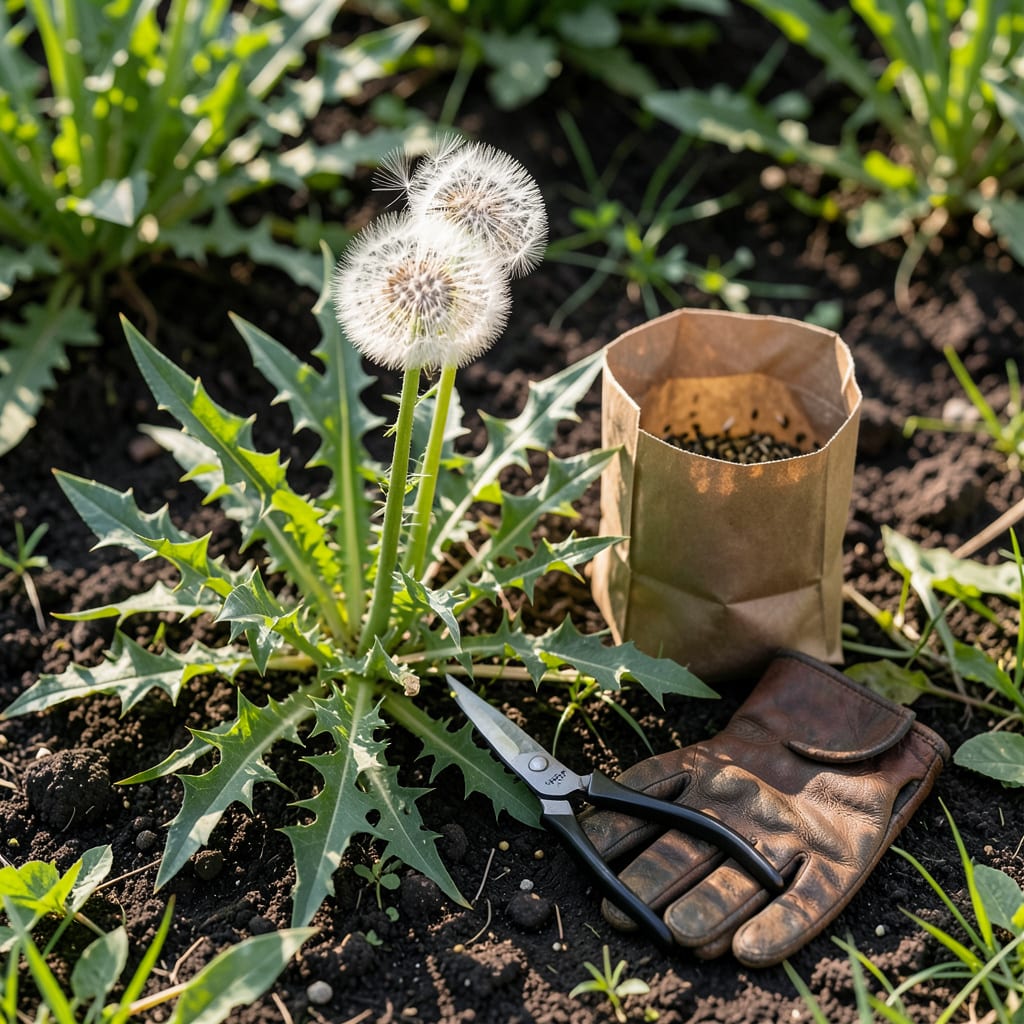
I used to think harvesting 🌼 Dandelion seeds was just about plucking those fluffy white puffs. But timing and technique make all the difference for maximum yield.
Let me show you the simple yet most effective ways to collect these seeds at their peak, so you can use them for propagation, cooking, or herbal remedies without any waste.


Timing is everything when it comes to harvesting dandelion seeds. I always wait until the flower head transforms into that classic white puffball, which signals the seeds are mature and ready for collection.
The ideal moment is when the puffball is fully white and the seeds detach effortlessly at the slightest breath. This usually happens in late spring or early summer, depending on your climate.
| Harvest Sign | Description |
|---|---|
| Puffball Color | Pure white |
| Seed Detachment | Lifts off at a breath |
| Stem Condition | Dry and brittle |
| Weather | Dry, sunny day |
I’ve found that harvesting on a dry, sunny morning works best. The dew will have evaporated, and the seeds will be at their driest, making them easier to collect and less prone to mold during storage.
Avoid harvesting after rain or when the puffball is damp. Wet seeds can clump together and may not store well. Also, if the flower is still yellow, it’s too early—the seeds aren’t mature yet.
Another key indicator is the stem beneath the puffball. When it turns brown and feels dry to the touch, you’re good to go. This usually happens 70-100 days after the flower first appears.
In my experience, late May to June is prime time for most regions, but if you’re in a warmer climate, you might see a second flush of seeds in the fall, around September or October.
For the best results, I recommend checking your dandelions daily once they start turning white. The window for optimal harvest is short—often just a few days before the seeds start dispersing on their own.
If you’re planning to use the seeds for propagation, aim for the earliest possible harvest time. The fresher the seeds, the higher their germination rates will be.
And don’t forget to observe your local weather patterns. A stretch of dry, wind-free days is ideal for harvesting, as it gives you more control over when and how the seeds are collected.
With these timing tips, you’ll be well on your way to gathering high-quality dandelion seeds every time 🌼
Once your dandelion puffballs are ready, the right technique ensures you collect seeds efficiently. I prefer using a gentle hand-picking method to avoid crushing the delicate seeds.
For larger patches, I recommend cutting the stems about 2 inches below the seed head. This gives you better control and prevents seeds from scattering as you work.
🌱 Pro Tip: Use a small paper bag to collect seeds. Hold it under the puffball and gently tap the stem to release seeds directly into the bag.
If you’re working with many dandelions, a fine-mesh sieve can help separate seeds from plant debris. Just shake the puffballs over the sieve to catch the seeds while letting chaff fall through.
For precision harvesting, I use tweezers or small scissors to snip individual seed heads. This is especially useful if you’re collecting seeds for specific purposes like herbal remedies.
Always work on a calm day to prevent wind from carrying your seeds away. I’ve lost entire harvests to a sudden gust, so I now check the weather forecast before starting.
After collection, gently shake the seeds in the bag to separate them from any remaining plant material. Store them in a dry, airtight container until you’re ready to use them.
With these methods, you’ll maximize your harvest while keeping the seeds in perfect condition ☀️
Even with the best intentions, I’ve seen gardeners make simple errors that ruin their dandelion seed harvest. The most common mistake is harvesting too early when the flower is still yellow. Those seeds aren’t mature yet.
Another big blunder is waiting too long. Once the puffball turns brown or the seeds start flying away on their own, you’ve missed your window. The seeds will be scattered by wind before you can collect them.
⚠️ Warning: Never harvest damp seeds. Moisture causes clumping and mold, ruining your entire batch. Always pick on dry, sunny days for best results.
Using dirty tools or containers is another pitfall. Contamination can introduce mold or pests to your seeds, reducing their viability. I always clean my scissors and storage jars with rubbing alcohol before use.
Some folks try to speed up the process by pulling the entire plant. This disturbs the roots and can prevent future growth. Instead, I snip just the seed head with a clean pair of scissors.
Finally, don’t store your seeds in plastic bags. They need to breathe to stay dry. I use paper envelopes or glass jars with a silica gel packet to absorb any lingering moisture. This keeps them viable for years.
Avoid these mistakes, and you’ll have a perfect harvest every time 🌼
Harvest on dry, sunny mornings after dew evaporates. This ensures seeds are dry and less prone to mold during storage.
No, wait until the puffball is completely dry. Wet seeds clump together and may develop mold, ruining your harvest.
Use a paper bag or fine-mesh sieve. Hold it under the puffball and tap the stem to release seeds directly into the container.
Store in paper envelopes or airtight glass jars with a silica packet. Avoid plastic bags to prevent moisture buildup.
