
Beautiful Plants For Your Interior
Beautiful Plants For Your Interior
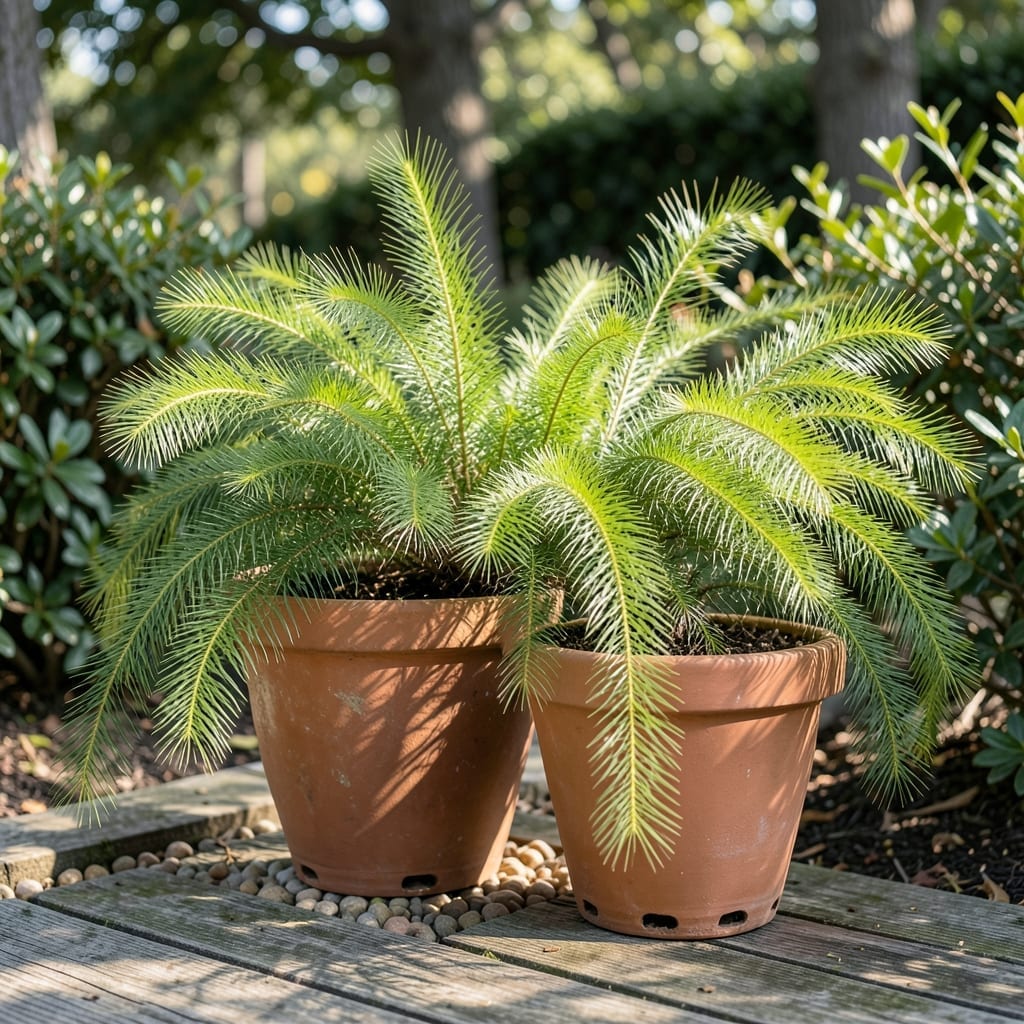
Foxtail ferns bring lush green texture to any space with minimal effort. I was surprised how quickly these plants established in containers.
They thrive with bright, indirect light and consistently moist soil. The key is well-draining potting mix to prevent root rot. You’ll get dense, arching fronds within weeks.
📚 In This Guide
To create a thriving foxtail fern planter, gather these materials and tools for a smooth process: Asparagus densiflorus ‘Sprengeri’ (foxtail fern) 🌿, a well-draining pot (12-16 inches in diameter with drainage holes), potting mix (2-3 gallons of peat-based or loamy soil with perlite), mulch (1-2 cups of organic mulch or bark chips), and fertilizer (balanced liquid fertilizer, 10-10-10 NPK ratio, 1 small bottle).
You’ll also need a few tools: gardening gloves, a trowel, pruning shears, and a watering can with a narrow spout. For proper placement, ensure your space has bright, indirect light and a stable temperature between 65-75°F.
Here’s the method I use to create lush foxtail fern planters that flourish indoors or out.
Choose a pot that’s at least 2 inches wider than the fern’s current root ball. Foxtail ferns prefer slightly crowded conditions, but they need room to establish. I prefer containers with multiple drainage holes—these plants despise soggy roots. Terra cotta works well because it wicks away excess moisture.
If your container lacks drainage, drill several holes in the base. Without proper drainage, root rot will set in within weeks, turning your vibrant green foliage to yellow mush. Place a layer of broken pottery or small stones over the holes to prevent soil from washing out while maintaining good drainage.
Use a well-draining potting mix formulated for indoor plants. I amend mine with 30% perlite or coarse sand to improve aeration. Foxtail ferns thrive in slightly acidic to neutral soil (pH 6.0-7.0). Test your mix with a simple soil test kit if you’re unsure.
Moisten the potting mix before planting—dry mix repels water and creates air pockets that stress new roots. The ideal consistency feels like a wrung-out sponge: damp but not dripping. Fill your container about one-third full with this prepared mix before adding your plant.
Gently remove the fern from its nursery pot, supporting the base of the plant with one hand while tipping the container with the other. If the roots are tightly bound, use your fingers to carefully loosen them. This encourages outward growth into the new container.
Position the fern in the center of the pot at the same depth it was growing previously. The crown—where stems meet roots—should sit about ½ inch below the rim to allow for watering without overflow. Backfill with your prepared mix, pressing lightly to eliminate air pockets but not compacting too firmly.
After transplanting, water thoroughly until it runs freely from the drainage holes. This settles the soil and ensures good root-to-soil contact. Wait until the top inch of soil feels dry before watering again—typically every 7-10 days in average indoor conditions.
Place your planter in bright, indirect light. Foxtail ferns tolerate lower light but grow more slowly and produce less dense foliage. Avoid direct afternoon sun, which can scorch the delicate fronds. A north or east-facing window is ideal, or a spot 3-4 feet from a south-facing window.
These ferns appreciate moderate humidity. If your home is dry, place the pot on a tray filled with pebbles and water, ensuring the pot sits above the water line. The evaporating moisture creates a microclimate around the plant.
Fertilize monthly during the growing season with a balanced liquid fertilizer diluted to half strength. You’ll see the most vigorous growth when temperatures stay between 65-75°F. Reduce watering and stop fertilizing in winter when growth naturally slows.
The small details make the difference between a fern that survives and one that thrives.
Drainage Non-Negotiable: In Step 1, if your container lacks drainage holes, drilling them is mandatory—root rot can destroy your fern within weeks. Terra cotta pots are ideal because they pull excess moisture away from roots, but any material works as long as water can escape.
Soil Consistency Matters: For Step 2, test your potting mix by squeezing a handful—it should hold shape briefly then crumble, like a wrung-out sponge. If it’s bone-dry, it’ll repel water; if it’s soggy, it’ll suffocate roots. The 30% perlite or coarse sand amendment is critical for aeration.
Crown Depth Check: During Step 3, positioning the crown ½ inch below the rim prevents water overflow while allowing proper growth. Press the soil just enough to remove air pockets but avoid compacting—roots need room to breathe as they establish.
Light and Water Harmony: In Step 4, the 7-10 day watering interval assumes average indoor conditions. If your fern sits in brighter light (like near a south-facing window), check soil moisture every 5 days—it’ll dry faster. Conversely, lower light means slower growth and less frequent watering needs.
Yes! Foxtail ferns thrive in well-draining containers. Opt for pots with drainage holes to prevent root rot. Plastic, terracotta, or ceramic planters all work—just ensure they’re the right size for the plant’s growth.
Water when the top inch of soil feels dry. Typically, this means watering every 7-10 days, but adjust based on humidity and light. Overwatering can cause yellowing leaves, so moderation is key!
A well-draining potting mix with perlite or sand works best. Avoid heavy garden soil. For extra fluffiness, mix in peat moss or coconut coir to keep roots aerated and healthy.
Brown tips often signal low humidity or underwatering. Mist the leaves regularly or place a tray of water nearby. Trim brown tips to encourage new growth and check for pests if the issue persists.