
Beautiful Plants For Your Interior
Beautiful Plants For Your Interior
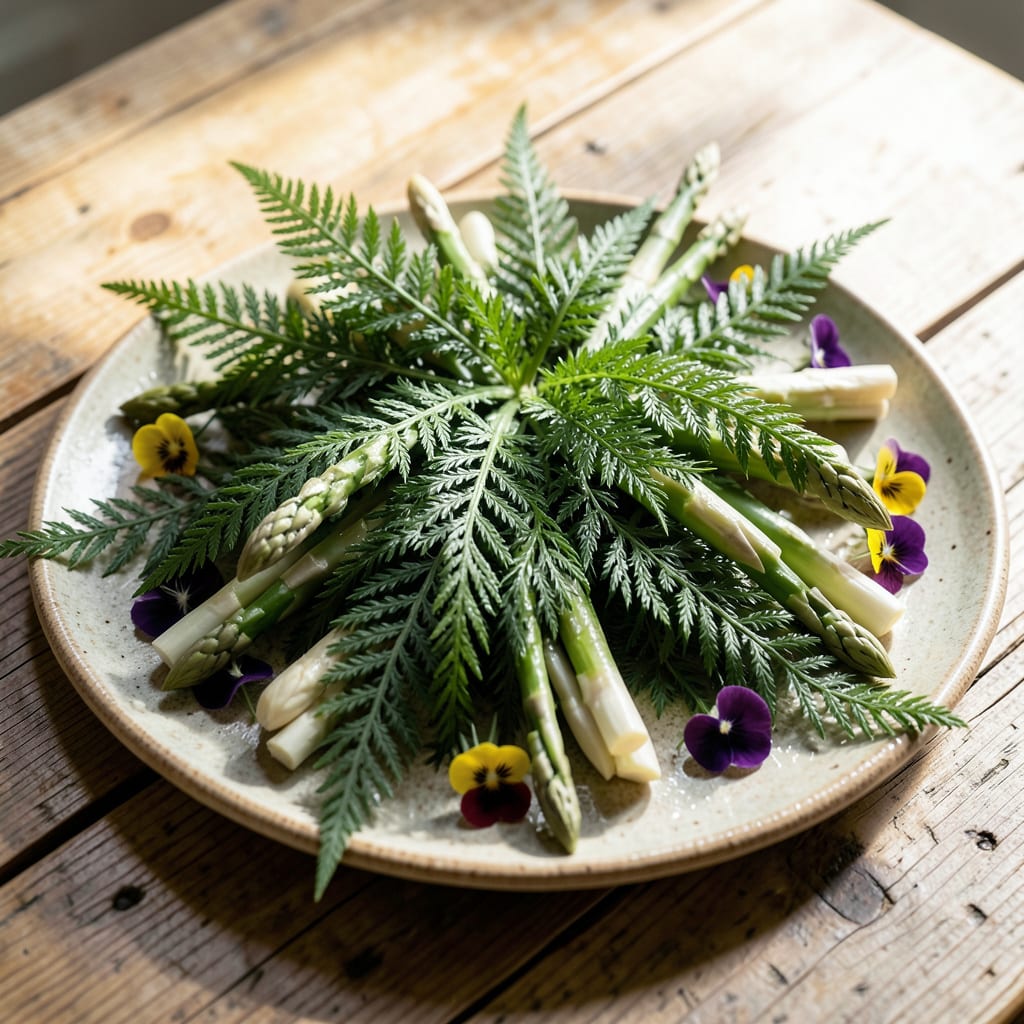
This fluffy, arching plant transformed my living room into a jungle retreat. Foxtail fern delivers lush cascading foliage that softens any indoor space with zero fuss.
It thrives on neglect—bright indirect light, occasional watering, and it bounces back even after I forget it for weeks. The soft, needle-like fronds create movement with the slightest breeze, making it a standout choice for hanging baskets or shelves.
📚 In This Guide
This elegant plant thrives with the right approach—here’s my method for lush, cascading foliage indoors.
Place your foxtail fern in bright, indirect light, such as near an east or north-facing window. Direct sunlight can scorch its delicate fronds, while too little light leads to sparse, leggy growth. A spot with filtered light through a sheer curtain works perfectly.
If natural light is limited, supplement with a full-spectrum grow light for 10-12 hours daily, positioned 6-12 inches above the plant. You’ll notice vibrant, dense foliage when light conditions are just right.
Plant your foxtail fern in a well-draining potting mix—a blend of peat moss, perlite, and compost ensures both moisture retention and aeration. Avoid heavy garden soil, which can suffocate the roots and lead to rot.
Choose a container with drainage holes, at least 1-2 inches larger than the root ball. Terra cotta pots are ideal because they allow excess moisture to evaporate, but any material works as long as drainage is adequate.
Water your fern when the top inch of soil feels dry to the touch. This plant prefers evenly moist soil but despises soggy conditions. I always check the soil with my finger before watering—it’s the most reliable way to gauge moisture.
Use room-temperature water and water deeply until it drains from the bottom of the pot. Empty the saucer after 30 minutes to prevent the roots from sitting in standing water, which can cause root rot.
Foxtail ferns thrive in moderate to high humidity. If your home is dry, place the pot on a pebble tray filled with water or use a humidifier nearby. Misting the fronds occasionally also helps, but avoid wetting the foliage excessively to prevent fungal issues.
Keep the plant in a room with temperatures between 65-75°F during the day and a 10°F drop at night. Avoid drafts from windows, doors, or vents, as sudden temperature changes can stress the plant.
Trim yellow or brown fronds at the base using clean, sharp scissors. This encourages new growth and keeps the plant looking tidy. I prune my foxtail fern every 4-6 weeks during the growing season, or whenever I notice damaged or unsightly foliage.
Feed the plant with a balanced, water-soluble fertilizer diluted to half strength every 4-6 weeks from spring to early fall. Reduce or stop fertilizing in the winter when growth slows. You’ll see lush, vibrant foliage when feeding is consistent but not excessive.
These insights will help you avoid common pitfalls and achieve thriving, cascading foliage.
The Light Factor: In Step 1, the 10-12 hours of full-spectrum grow light exposure is non-negotiable for dense growth. Position the light 6-12 inches above the plant—any closer risks scorching, while farther reduces effectiveness. I learned this after my first fern developed sparse fronds from insufficient light.
Drainage is Everything: Step 2 emphasizes well-draining soil, but here’s what nobody tells you— terra cotta pots accelerate drying, which is ideal for preventing root rot. If using plastic, be extra vigilant about the 30 minutes saucer-emptying rule from Step 3 to avoid waterlogged soil.
Temperature Control: The 65-75°F range in Step 4 is critical. A 10°F drop at night mimics natural conditions, but drafts can undo this. I once lost a fern by placing it near an AC vent—lesson learned the hard way.
Pruning Timing: Step 5’s 4-6 weeks pruning schedule keeps your plant healthy. Don’t wait for fronds to turn completely brown—trim at the first sign of yellowing to redirect energy to new growth. Use sharp scissors to avoid tearing the stems.
Yes! This hardy plant thrives in bright, indirect light and well-draining soil. Water when the top inch of soil feels dry, and it’ll reward you with lush, cascading foliage. It’s low-maintenance and great for beginners!
Absolutely! It adapts well to indoor conditions, making it perfect for hanging baskets or shelves. Just ensure it gets moderate light and occasional misting to mimic its natural humidity.
Feed it with a balanced liquid fertilizer every 4-6 weeks during spring and summer. Skip fertilizing in fall and winter when growth slows. Over-fertilizing can harm its delicate roots.
Yellow leaves often signal overwatering or poor drainage. Check the soil—if it’s soggy, let it dry out before watering again. Also, ensure the pot has drainage holes to prevent root rot.
Yes! If you have pets, consider spider plants or Boston ferns, which are non-toxic. Foxtail fern berries can be toxic if ingested, so it’s best to keep it out of paw’s reach.
