
Beautiful Plants For Your Interior
Beautiful Plants For Your Interior
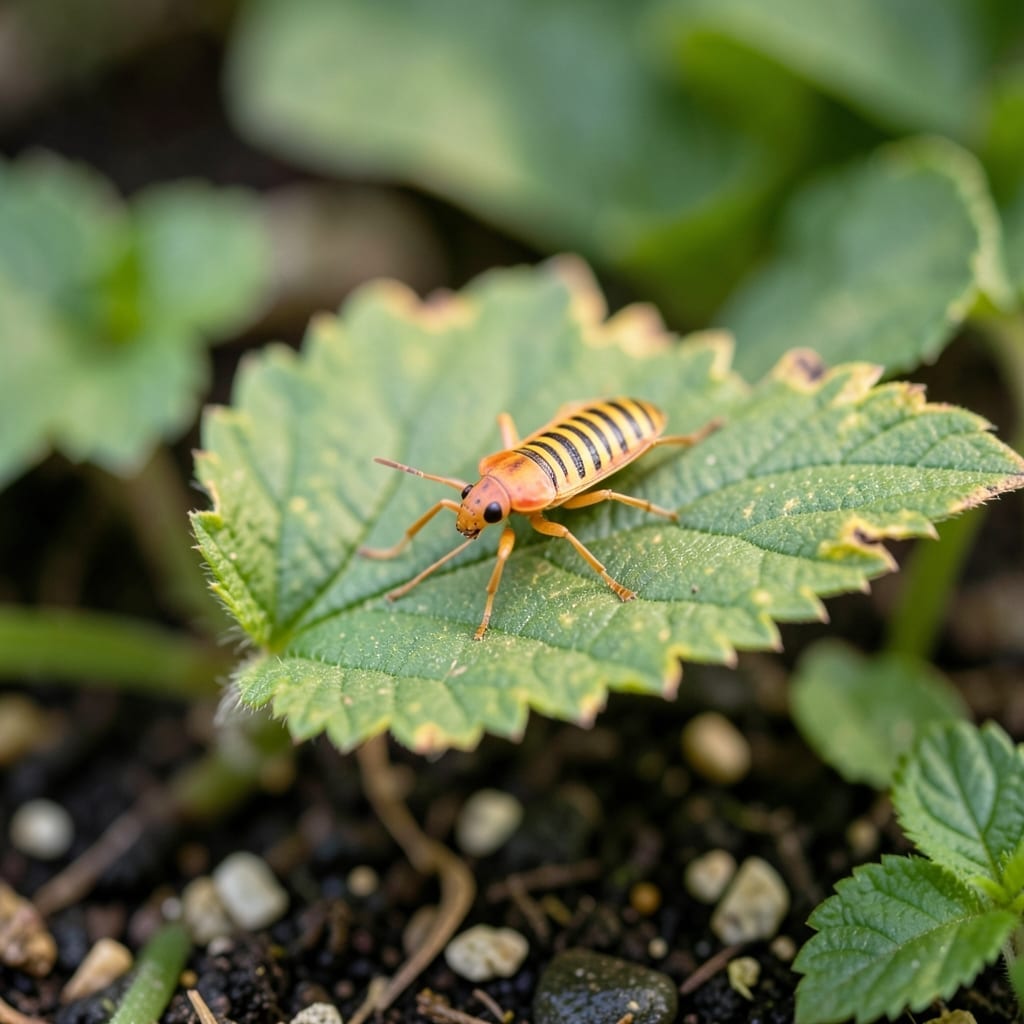
First time I saw those little yellow-and-black striped bugs on my mint, I ignored them. Big mistake. 🌿 Four-lined plant bugs move fast, and their damage shows up even faster—tiny brown spots on leaves that merge into ugly blotches.
The bastards love members of the mint family, plus roses, currants, and apples. They’re most active in late spring through early summer, when nymphs hatch and start feeding. Organic control works best if you catch them early.
Hand-picking helps but isn’t enough. A targeted spray of neem oil or insecticidal soap knocks them out without harming beneficial insects. Timing matters—spray in early morning or late evening when they’re sluggish.
Prevention is simpler than cure. Remove plant debris in fall, rotate crops, and keep an eye on susceptible plants. Stay vigilant and you’ll keep these pests from turning your garden into their buffet.
The four-lined plant bug (Poecilocapsus lineatus) thrives under specific conditions, often exploiting environmental and gardening practices. Understanding these triggers helps prevent outbreaks before they start.
These bugs prefer plants in the Mint (Lamiaceae) and Composite (Asteraceae) families, such as basil, mint, and chrysanthemums. Dense, untended foliage provides shelter and abundant food, accelerating their reproduction. Prune regularly to reduce hiding spots and limit access to their favorite hosts.
Four-lined plant bugs emerge in early spring when temperatures rise above 60°F (15°C). Dry weather intensifies their activity, as they seek moisture from plant tissues. Irrigation scheduling can disrupt their lifecycle—water plants in the early morning to deter them.
These pests have few natural enemies in gardens. Birds, spiders, and parasitic wasps may prey on them, but overuse of broad-spectrum pesticides often kills these allies first. Encourage biodiversity with native plants and avoid chemical sprays to maintain a balanced ecosystem.
Leaving dead plant debris or weeds (especially chickweed or clover) gives four-lined plant bugs breeding grounds. Remove garden waste promptly and mulch with non-host materials like straw to suppress their habitat.
Four-lined plant bugs can wreak havoc on your garden, but these targeted fixes will help you regain control. Address each issue with practical steps to protect your plants.
If you spot wilting or discolored leaves, inspect them for nymphs or adults. Prune and destroy heavily infested foliage to reduce the population immediately. Seal the waste in a bag and dispose of it in the trash—never compost it. This prevents the bugs from spreading to healthy plants.
For a safe and effective treatment, mix 1-2 tablespoons of insecticidal soap per quart of water. Spray directly on the bugs, focusing on the undersides of leaves where they hide. Reapply every 4-7 days or after rain for best results. Tip: Test on a small area first to avoid plant damage.
Neem oil disrupts the bug’s lifecycle and deters feeding. Mix 1-2 tablespoons of neem oil with a teaspoon of dish soap and a gallon of water. Spray in the early morning or late evening to avoid harming beneficial insects like bees. Reapply weekly for prevention.
Encourage beneficial insects like lacewings, ladybugs, and parasitic wasps by planting companion flowers such as dill, fennel, or marigolds. These predators feed on four-lined plant bugs and their eggs, offering long-term control.
They love mint family plants like basil and rosemary, plus roses and currants. Monitor these first in late spring when bugs emerge.
Yes, neem oil disrupts their lifecycle at all stages. Apply in early morning and reapply weekly for best results.
Inspect vulnerable plants every 3-4 days during active season. Catching them early prevents major damage.
No, always bag and trash infested foliage. Composting lets bugs survive and spread to other plants.