
Beautiful Plants For Your Interior
Beautiful Plants For Your Interior
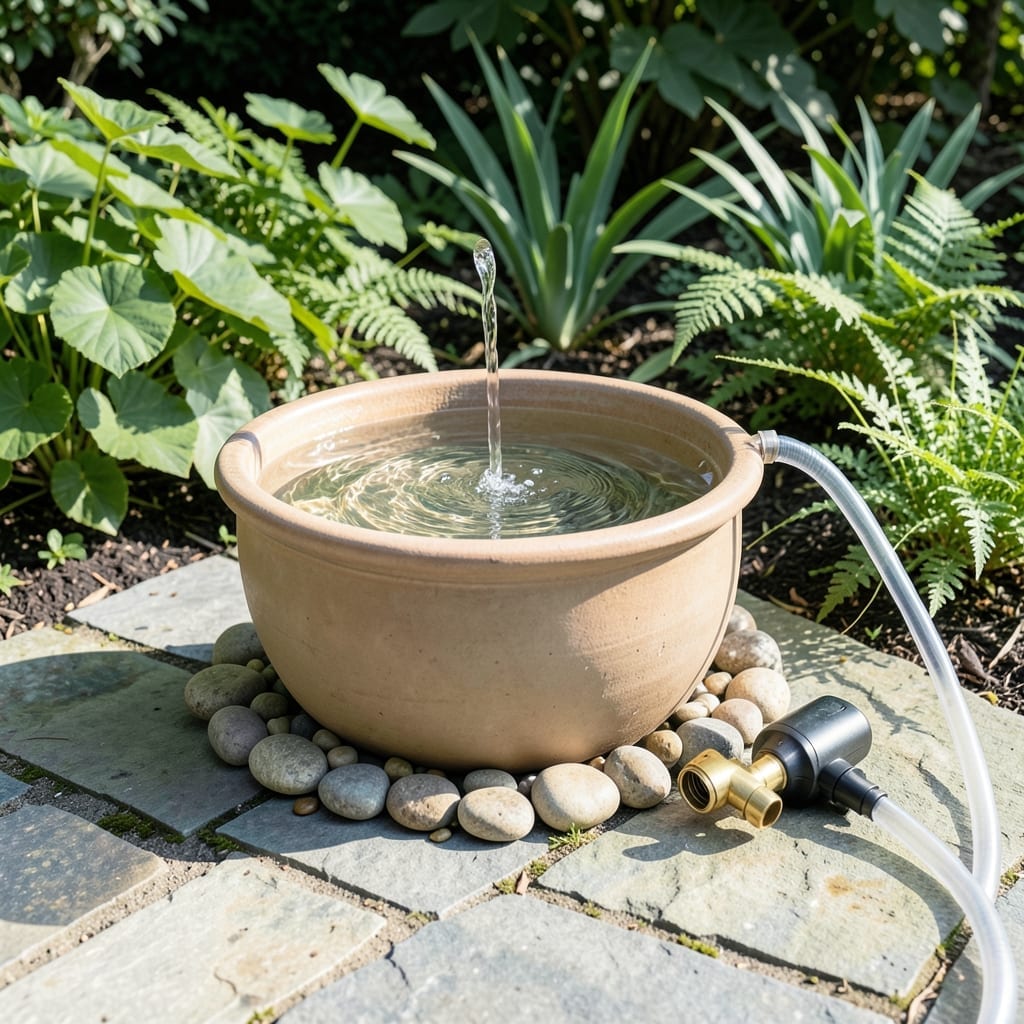
Water transforms any garden space into something magical. I added a simple fountain kit to my potted collection last spring, and the difference was immediate—the gentle trickle turned my patio into a peaceful retreat.
These kits fit into standard pots, so you don’t need a huge yard or a complex setup. A 5-gallon container, a small pump, and some decorative stones are all it takes to create a striking focal point.
Beyond looks, the sound of running water masks street noise and attracts birds. My herbs and flowers seem happier, too—likely because the moving water keeps the air around them a bit more humid.
Works for balconies, patios, or even indoors near a sunny window. The setup takes less than an hour and pays off every time you sit nearby.
Understanding why fountain kits for pots sometimes underperform or stop working can help you troubleshoot and prevent issues. Here are the most common causes, explained with clear, actionable insights:
Debris like algae, dirt, or small leaves can block the pump intake or tubing, restricting water flow. Over time, mineral buildup from hard water can also create blockages. Solution: Regularly clean the pump and tubing with a soft brush or vinegar solution to dissolve deposits.
Low voltage or a weak power source can cause the pump to run sluggishly or fail entirely. This often happens with solar-powered kits on cloudy days or when using extension cords that aren’t rated for outdoor use. Solution: Ensure your power source matches the pump’s voltage requirements and use weatherproof connections.
If the water level in your pot is too low, the pump may suck in air, leading to cavitation (air bubbles disrupting flow). Conversely, overfilling can submerge the pump motor, damaging it. Solution: Maintain the water level just above the pump’s minimum requirement, as specified in the kit’s manual.
Prolonged use can wear down pump impellers or seals, reducing efficiency. Vibrations from the pump can also loosen connections over time. Solution: Inspect the pump and fittings monthly, tightening or replacing parts as needed.
Even the best fountain kits for pots can run into trouble, but most problems have simple fixes. Below are practical solutions to keep your water feature running smoothly, along with tips to prevent future headaches.
Cause: A clogged pump or debris in the tubing can block water circulation. Fix: Unplug the pump and remove it from the pot. Rinse the intake screen and tubing under running water to clear any dirt or algae. If the pump still struggles, disassemble it (if possible) and clean the impeller with a soft brush. Prevention tip: 💡 Use a fine mesh filter over the pump intake and top off the water weekly to reduce debris buildup.
Cause: Electrical issues, like a loose connection or a tripped GFCI outlet, are often the culprit. Fix: Check that the pump is securely plugged in and the outlet is powered. Reset the GFCI if needed. If the pump hums but doesn’t run, it may be seized—gently tap the housing to free the impeller. Prevention tip: ✨ Store the pump indoors during winter to avoid freeze damage, and inspect cords for wear before each season.
Cause: Overfilling the pot or improper fountain nozzle placement can cause messy splashes. Fix: Adjust the water level to sit just below the nozzle opening. If the spray is too high, switch to a lower-flow nozzle or angle the spout downward. Prevention tip: 🎯 Test the water level with the pump off—it should be 1–2 inches below the rim when the fountain is running.
Cause: Sunlight and stagnant water create the perfect environment for algae. Fix: Drain and refill the pot with fresh water, then add a small amount of hydrogen peroxide (3% solution, 1 cup per 10 gallons) to kill existing algae. For ongoing control, use an algae inhibitor tablet. Prevention tip: 🌡️ Place the pot in partial shade and add a few drops of white vinegar to the water weekly to slow regrowth.
Most standard 5-gallon or larger pots work, but choose one without drainage holes. Ceramic, plastic, or glaze-coated containers hold water best. Always check the kit’s size requirements first.
Use a weatherproof extension cord with a GFCI outlet for safety. Solar-powered kits are another great option for sunny spots, though they may need a battery backup for cloudy days.
Yes, but choose moisture-loving plants like water lilies or lucky bamboo. Avoid herbs or succulents, as they’ll rot in standing water. Keep the pump intake clear of leaves.
Inspect the pump monthly and clean it every 2-3 months to prevent clogs. Use a soft brush or vinegar solution for mineral buildup. Regular maintenance extends its lifespan.