
Beautiful Plants For Your Interior
Beautiful Plants For Your Interior
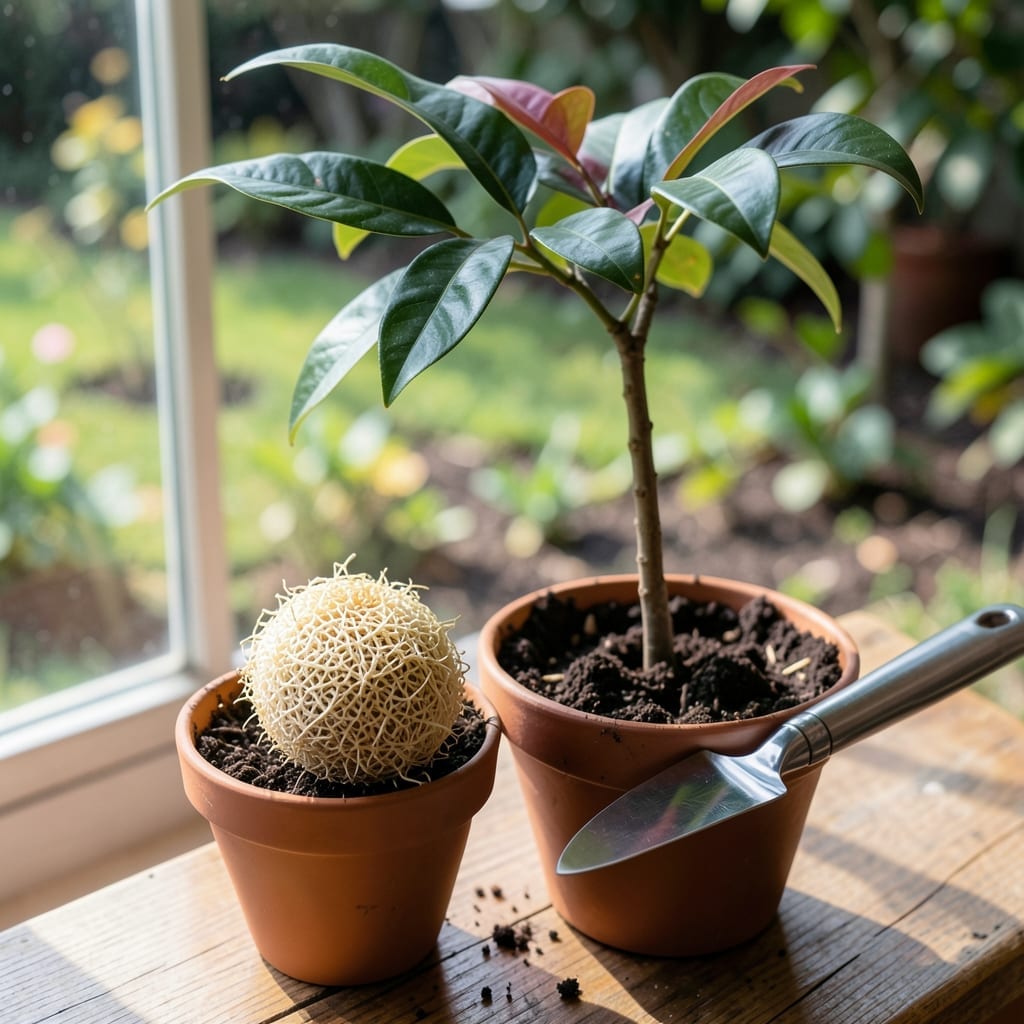
That fuzzy white coating on your mango seed isn’t mold—it’s nature’s way of saying grow me. I’ve turned dozens of these into thriving tropical seedlings, and the process is simpler than you’d think.
The fluff actually protects the seed while it develops. Once it dries out, the real work begins. With the right moisture, warmth, and patience, you’ll see a sprout emerge within 2-3 weeks—no greenhouse required.
Young mango trees need bright light and consistent moisture. I keep mine near a sunny window and mist daily until the first true leaves appear. The reward is a fast-growing tree that brings a taste of the tropics indoors.
Works even in cooler climates if you start seeds in spring. Here’s how to get it right.
Understanding why mango seeds develop a fluffy texture can help you nurture healthier growth. Here are the primary causes:
The most common reason for a fluffy mango seed is excessive moisture. When seeds are soaked or planted in overly damp soil, the outer shell softens too quickly, leading to a fibrous, fluffy layer. This happens because the seed absorbs water faster than it can process, causing the outer tissue to break down prematurely.
Mango seeds thrive in warm, stable conditions. Sudden temperature drops or extreme heat can disrupt the germination process, weakening the seed coat. This stress may trigger abnormal softening, resulting in a fluffy texture instead of a firm, healthy sprout.
If seeds are stored or germinated in unclean environments, microbes can infect the seed coat. Fungal spores, in particular, break down the outer layers, creating a cotton-like fluff. Always sterilize soil and tools to prevent contamination.
Seeds extracted from unripe mangoes may not be fully mature. Immature seeds have underdeveloped coats that degrade easily, leading to a fluffy appearance. Ensure the fruit is fully ripe before extracting the seed for planting.
If your mango seed is sprouting fluffy white growth, it’s likely mold or fungus. Don’t toss it yet—here’s how to save your seed and get it back on track for healthy germination.
If you spot fuzzy white spots, act fast. Gently rinse the seed under lukewarm water to remove surface spores. Then, soak it in a 1:10 hydrogen peroxide-to-water solution for 10 minutes to disinfect. Pat dry with a clean paper towel and place it in a well-ventilated area to dry completely before replanting.
Prevention tip: 💡 Always use sterile soil and avoid overwatering. Keep the seed in a warm, dry spot with indirect light until germination begins.
Fluffiness can also stem from soggy conditions. Repot the seed in fresh, well-draining potting mix (cactus or succulent soil works great). Ensure your container has drainage holes to prevent waterlogging. If using a plastic bag for the paper towel method, poke small holes to allow airflow.
Prevention tip: 🌡️ Check moisture levels by sticking your finger an inch into the soil—only water when it feels dry.
If the seed isn’t sprouting and looks fluffy, it might need a warmth boost. Place it near a heat source (like the top of a fridge) or use a seedling heat mat. Alternatively, try the paper towel method: wrap the seed in a damp (not wet) paper towel, seal it in a bag, and keep it in a dark, warm spot. Check every few days for roots.
Prevention tip: ✨ Mango seeds germinate best at 70–85°F (21–29°C). Avoid cold drafts or direct sunlight, which can stress the seed.
Not always. If it’s soft and fibrous, it’s likely natural seed material. If it’s fuzzy or spotty, it could be mold.
Only if it’s moldy. For natural fluff, leave it—it protects the seed. Rinse moldy seeds in 1:10 hydrogen peroxide solution before planting.
With proper warmth and moisture, expect sprouts in 2-3 weeks. If fluffiness persists beyond 4 weeks, check for excess moisture or poor drainage.
Use well-draining mixes like cactus or succulent soil. Avoid dense, water-retentive soils—they can worsen fluffiness.