
Beautiful Plants For Your Interior
Beautiful Plants For Your Interior
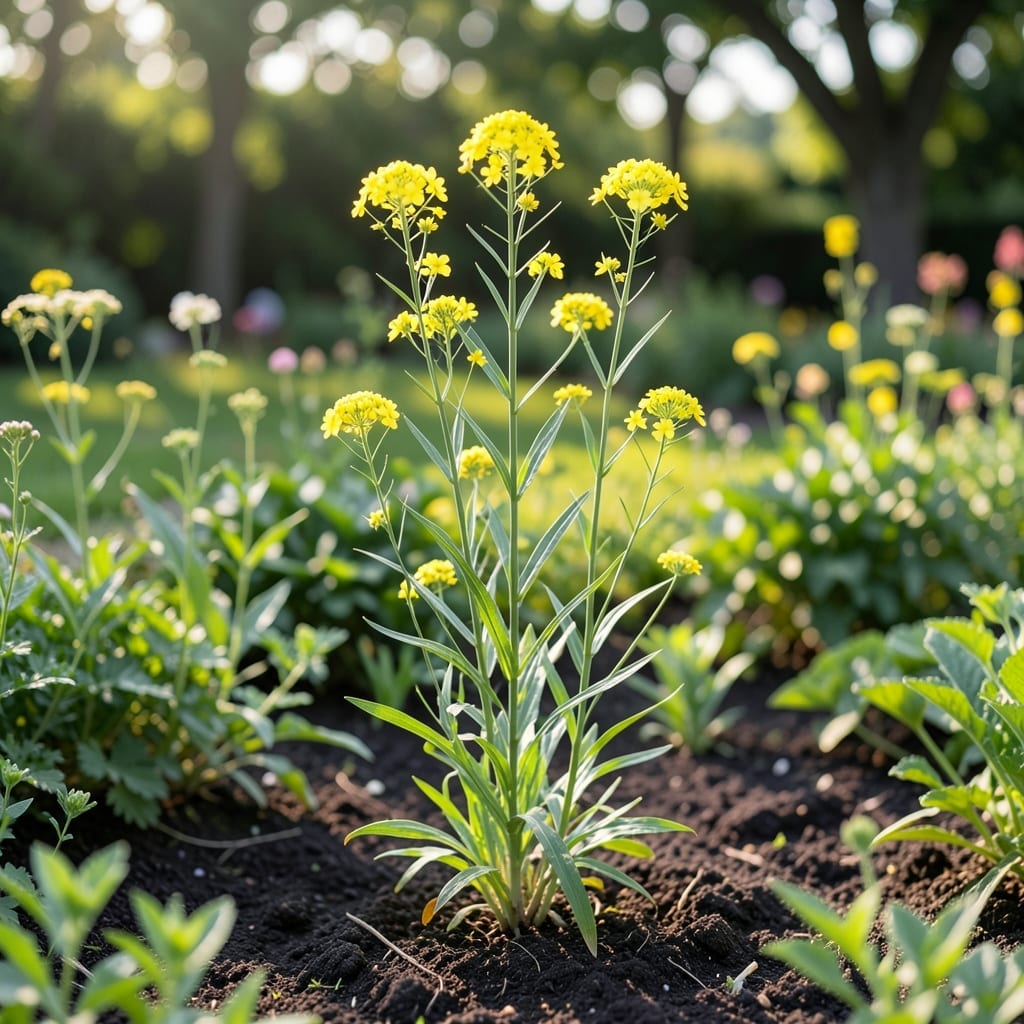
Flax plants turn yellow due to nutrient deficiencies, overwatering, pests, or fungal diseases. The color change often signals stress that requires prompt attention to restore plant health.
I’ve seen yellowing in flax often start with nitrogen or potassium shortages, where leaves pale from the bottom up. 🔥 Overwatering creates root rot that chokes the plant, while pests like aphids drain sap and leave behind sticky residue. Even environmental stress from extreme heat or poor soil drainage can trigger this discoloration.
💡 In This Article
The yellowing often starts with nitrogen deficiency, where older leaves turn pale green to yellow as the plant redirects nutrients to new growth. This happens because nitrogen is mobile within the plant, and when soil levels drop below 20-30 ppm, the flax can’t maintain chlorophyll production. 🌟
Overwatering creates root rot, a condition where Phytophthora or Fusarium fungi thrive in soggy soil. These pathogens attack the roots, blocking water and nutrient uptake. You’ll notice wilting alongside yellowing, often accompanied by a foul odor from the soil. The damage becomes visible within 7-10 days of waterlogging. 💫
Potassium deficiency shows as yellowing leaf edges, while magnesium deficiency causes interveinal chlorosis (yellowing between veins). Aphids and other sap-sucking pests inject toxins that disrupt photosynthesis, creating stippled yellow patterns. These pests multiply rapidly in warm, dry conditions above 80°F. ⚡
Environmental stress plays a role too. Heat stress above 90°F accelerates leaf senescence, turning leaves yellow prematurely. Poor drainage causes similar issues, as waterlogged roots can’t absorb oxygen. Even compacted soil restricts root growth, leading to nutrient uptake issues that manifest as yellowing. 🔥
What most growers miss is the pH factor. Flax thrives in slightly acidic soil (pH 6.0-6.5). When pH drifts too high or low, nutrients like iron become unavailable, even if present in the soil. This creates a hidden deficiency that only soil testing can reveal. ✨
Check the soil first—if it feels soggy or smells foul, root rot is likely. Wilting alongside yellow leaves is a strong sign. Overwatered flax often shows these symptoms within 7-10 days of excessive moisture.
Nitrogen deficiency turns older leaves yellow first, while potassium shortage yellows leaf edges. Magnesium deficiency creates yellow patches between veins. A soil test can confirm the exact deficiency.
Yes, aphids and other sap-sucking pests create stippled yellow patterns. They multiply rapidly in warm, dry conditions above 80°F. Treat with neem oil every 7-10 days until gone.
Flax thrives in slightly acidic soil with a pH between 6.0-6.5. Outside this range, nutrients like iron become unavailable, even if present. Adjust pH with lime or sulfur as needed.