
Beautiful Plants For Your Interior
Beautiful Plants For Your Interior
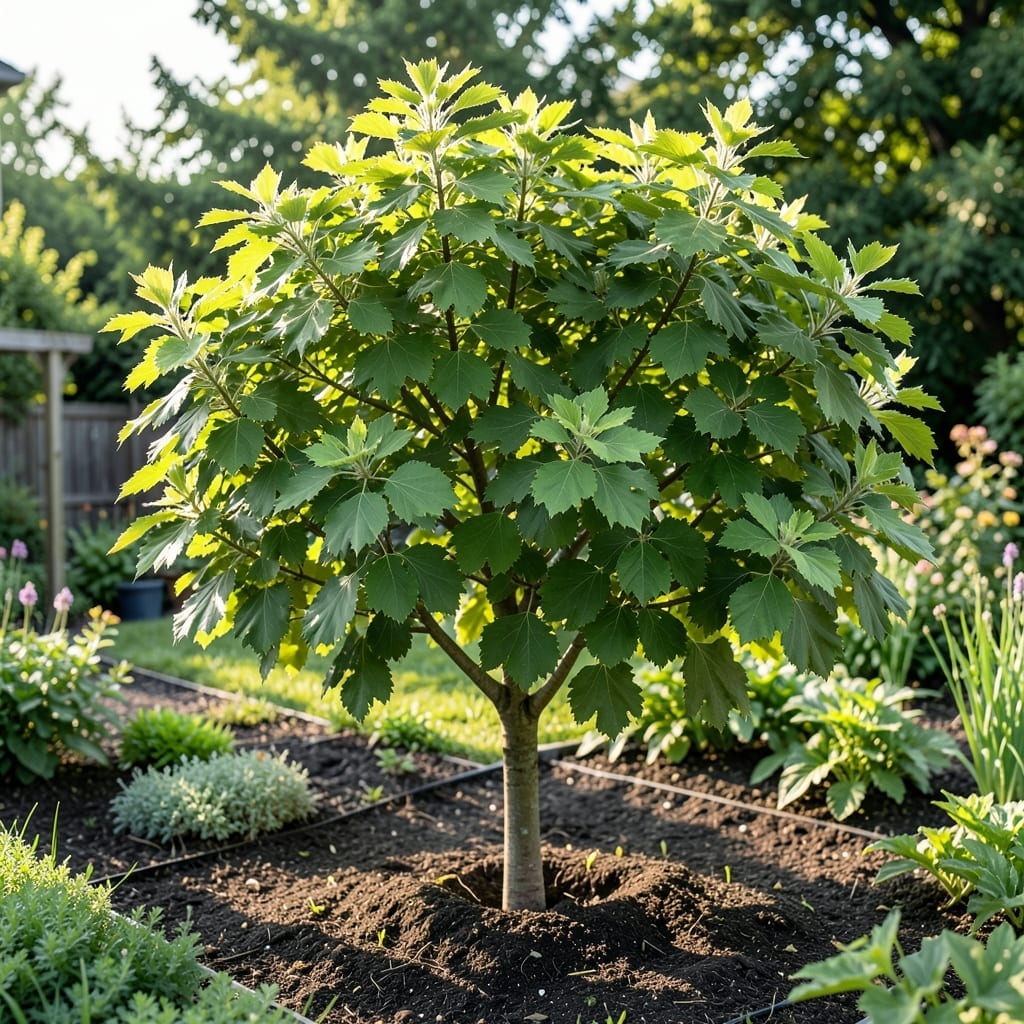
Last summer, my filbert tree’s leaves went from vibrant green to spotted and curled in weeks. Turns out, most leaf problems announce themselves early if you know what to look for.
Yellowing often means too much water, while brown edges scream drought. The good news? Most issues fix fast with the right approach. Healthy foliage is absolutely within reach.
📚 In This Guide
Use this methodical approach to identify leaf issues and apply targeted solutions before damage spreads.
Begin by inspecting the entire canopy for discoloration, spots, or unusual patterns. Yellowing between veins often signals iron deficiency, while brown edges with curled margins suggest salt burn or drought stress. I start at the tree’s base and work upward to catch early warning signs.
Note the distribution—are affected leaves clustered on one side or throughout? This helps distinguish between environmental stress (one-sided) and systemic issues (uniform). Black spots with yellow halos typically indicate fungal infections like leaf blotch, which spread rapidly in wet conditions.
Turn leaves over to inspect the undersides where pests like aphids and filbertworm larvae congregate. Look for webbing, sticky residue (honeydew), or chewed edges. Aphids cause leaves to curl and distort, while filbertworm creates small holes as larvae bore into foliage.
Use a hand lens to spot tiny mites, which appear as moving dots on leaf surfaces. Their feeding creates a stippled, bronze appearance. I’ve found that shaking branches over white paper reveals hidden pests—dark specks that move are likely mites or thrips.
Evaluate recent weather conditions and care practices. Waterlogged soil from poor drainage causes yellowing and leaf drop, while drought stress leads to margin burn and premature senescence. Filberts need consistent moisture but cannot tolerate standing water.
Check for herbicide drift, which often appears as cupped or straplike leaves with distorted growth. Nutrient deficiencies frequently manifest in sandy or highly alkaline soils—iron deficiency shows as interveinal chlorosis on newer leaves, while nitrogen deficiency appears as uniform pale green foliage.
For fungal issues, remove and destroy affected leaves immediately to prevent spread. Apply copper-based fungicides at first sign of leaf blotch or powdery mildew, following label rates. I treat in the morning when leaves are dry for better absorption and to minimize wash-off.
Control aphids and mites with insecticidal soap or horticultural oil, targeting the undersides of leaves. For filbertworm, remove and burn fallen leaves and nuts to eliminate overwintering sites. Cultural controls like improving air circulation and avoiding overhead watering prevent many foliar diseases.
After treatment, observe the tree for 7-10 days to assess effectiveness. New growth should appear healthy and free of previous symptoms. If problems persist, reconsider your diagnosis—multiple issues often occur simultaneously.
Adjust watering to maintain 1-2 inches of moisture per week, more during extreme heat. Apply a balanced fertilizer in early spring, and consider soil testing to identify nutrient imbalances. Regular monitoring catches problems early when they’re easiest to manage.
Small details in diagnosis and treatment make a big difference in saving your tree.
Diagnostic Precision: In Step 1, don’t just look at the canopy—examine the undersides of leaves too, where early pest damage often appears first. I’ve caught mite infestations this way before they became visible from above. The difference between iron deficiency (yellow between veins) and nitrogen deficiency (uniform pale green) is subtle but critical for proper treatment.
Pest Inspection Hack: For Step 2, that white paper trick I mentioned is gold. Shake branches over it in the morning when pests are most active. You’ll spot moving specks that are nearly invisible on the leaves themselves. Aphids leave honeydew trails, while filbertworm creates distinct entrance holes—knowing these signs helps you target treatments effectively.
Environmental Clues: Step 3’s watering advice about 1-2 inches per week is non-negotiable. Filberts hate wet feet, so if you see yellowing leaves, check your drainage before assuming it’s a nutrient issue. I learned this after nearly losing a tree to overwatering what I thought was a sick plant. Also, herbicide drift patterns often appear on the side facing prevailing winds.
Treatment Timing: In Step 4, morning applications of fungicides are crucial because dew has dried but temperatures are still cool enough to prevent rapid evaporation. For aphids and mites, treat in the evening when they’re most active on leaf undersides. And remember—removing fallen leaves isn’t just cleanup, it’s breaking the filbertworm life cycle.
Yellow leaves often signal nutrient deficiencies (like nitrogen or iron) or overwatering. Check soil moisture and consider a balanced fertilizer. If the issue persists, test soil pH—filberts prefer slightly acidic conditions (6.0–7.0).
Act at the first sign of spots (brown, black, or fungal). Early spring or late fall is ideal for preventive fungicides. Remove infected leaves promptly to stop spread and improve air circulation around the tree.
Yes! Neem oil works well for aphids, mites, and fungal issues. Mix with water and a drop of soap, then spray in the evening to avoid harming pollinators. Reapply every 7–10 days as needed.
Holes are usually from pests like filbertworm or Japanese beetles. Inspect leaves for caterpillars or beetles, and use organic pesticides or handpick offenders. Netting can also protect foliage during peak pest seasons.