
Beautiful Plants For Your Interior
Beautiful Plants For Your Interior
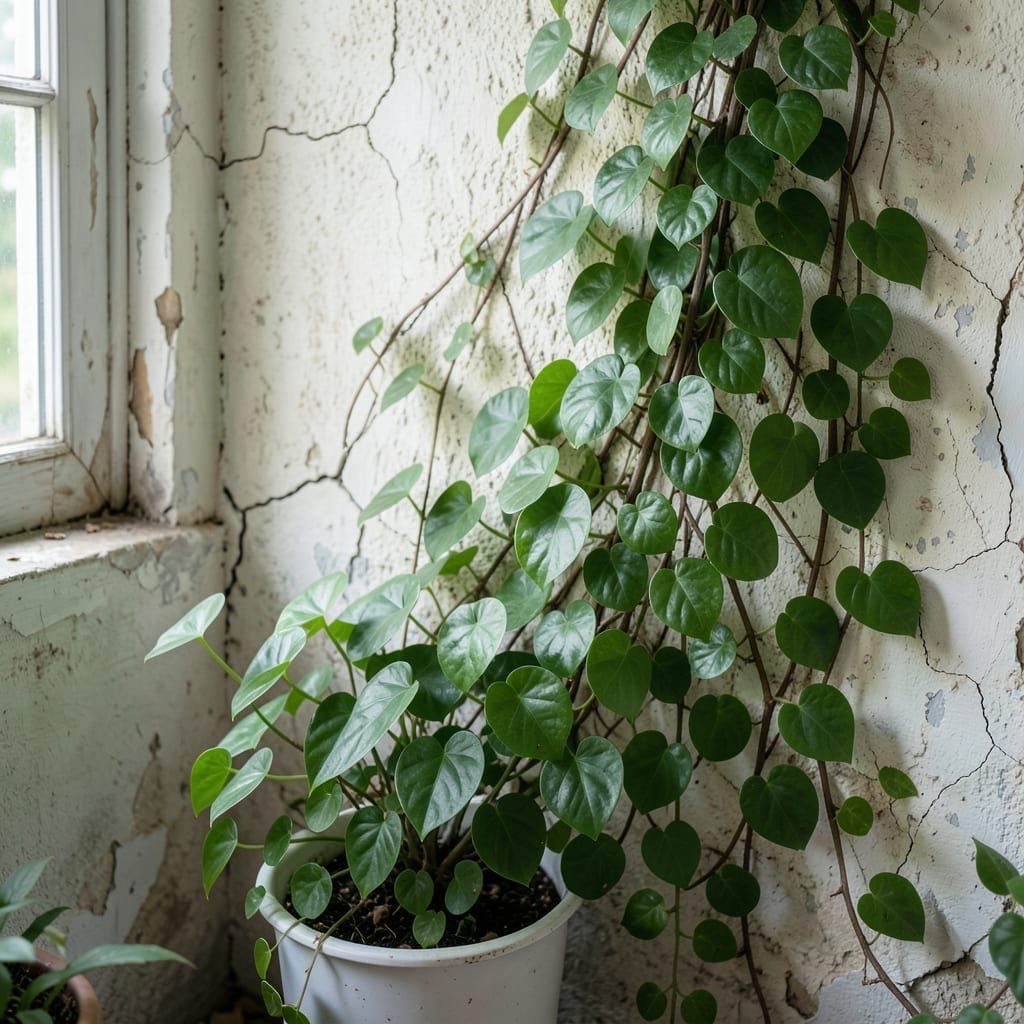
Creeping fig vines clinging to walls can cause hidden damage over time. I learned this the hard way when peeling paint revealed cracks beneath the lush green facade.
This plant’s aerial roots seek moisture and will attach to any surface, including stucco, wood, and brick. Without proper management, the roots can work their way into small crevices, expanding them as the vine grows thicker.
Prevention is simpler than repair. A 6-inch gap between the plant and your wall, plus regular pruning, keeps growth controlled. You’ll maintain that healthy look without compromising your home’s structure.
If damage has already started, don’t panic. With the right approach, you can repair the wall and train the vine to grow safely. Here’s how to fix it.
Ficus pumila, or creeping fig, is a hardy vine prized for its lush foliage and ability to cling to walls. However, its aggressive growth can lead to structural damage if left unchecked. Below are the primary reasons why this happens.
Ficus pumila produces tiny aerial roots that secrete a sticky, adhesive substance, allowing it to cling to surfaces like brick, wood, or stucco. Over time, these roots penetrate small cracks or mortar gaps, expanding as the plant grows. This can weaken the wall’s integrity, especially in older or already compromised structures. The roots also retain moisture against the wall, promoting rot in wooden surfaces or effloresce in masonry.
The dense foliage of creeping fig traps moisture against walls, creating a humid microclimate. This is particularly damaging to materials like wood, which can swell, warp, or develop mold. Even on masonry, prolonged moisture exposure can lead to cracks, efflorescence (salt deposits), or freeze-thaw damage in colder climates. Poorly maintained walls or those with existing water damage are especially vulnerable.
If a wall has pre-existing weaknesses—such as cracks, loose mortar, or deteriorated sealant—Ficus pumila will exploit them. The plant’s roots grow into these gaps, widening them over time. In severe cases, this can lead to bricks or stones loosening, or even partial wall collapse. Regular inspections and repairs are critical to prevent the vine from exacerbating these issues.
Once you’ve identified the cause of Ficus pumila wall damage, these targeted solutions will help restore your plant and protect your surfaces. Address each issue promptly to prevent long-term harm.
If your creeping fig is damaging paint or masonry, trim back the vines with clean, sharp pruners. Cut just above a leaf node to encourage healthy regrowth. For severe cases, remove entire sections and redirect growth using trellises or wires. Prevention tip: 💡 Prune regularly (every 6-8 weeks) to keep vines in check and train them away from delicate surfaces.
Root rot or mold from poor drainage can weaken the plant and stain walls. Repot in well-draining soil mixed with perlite or sand, and ensure containers have drainage holes. For in-ground plants, amend the soil with compost to improve structure. Prevention tip: 🌡️ Water only when the top inch of soil is dry, and avoid overhead watering near walls.
Scale, mealybugs, or spider mites can stress the plant, leading to weak growth that clings poorly. Wipe leaves with a damp cloth and apply insecticidal soap or neem oil. For severe infestations, isolate the plant and treat weekly until pests are gone. Prevention tip: ✨ Inspect leaves regularly and keep the area clean to deter pests.
Yellowing or crispy leaves often signal light stress. If the plant is in direct, harsh sunlight, move it to a spot with bright, indirect light. For leggy growth from low light, rotate the plant weekly and supplement with a grow light. Prevention tip: 🎯 Acclimate the plant gradually to new light conditions to avoid shock.
With these fixes, your Ficus pumila will recover, and your walls will stay intact. Consistency is key—stay proactive to enjoy its lush beauty without the damage!
They secrete adhesive compounds to cling to surfaces, then penetrate cracks as they grow thicker. Over time, this can weaken mortar, loosen bricks, or damage paint.
Wood and stucco are most vulnerable due to moisture retention and rot potential. Brick and concrete are more resistant but can still crack under pressure.
Cut vines at the base and peel them off carefully. Avoid pulling, as this can strip paint or mortar. Treat remaining roots with vinegar to prevent regrowth.
Yes! Use a trellis or wire system at least 6 inches from the wall. Regular pruning maintains control while preserving the plant’s beauty.