
Beautiful Plants For Your Interior
Beautiful Plants For Your Interior
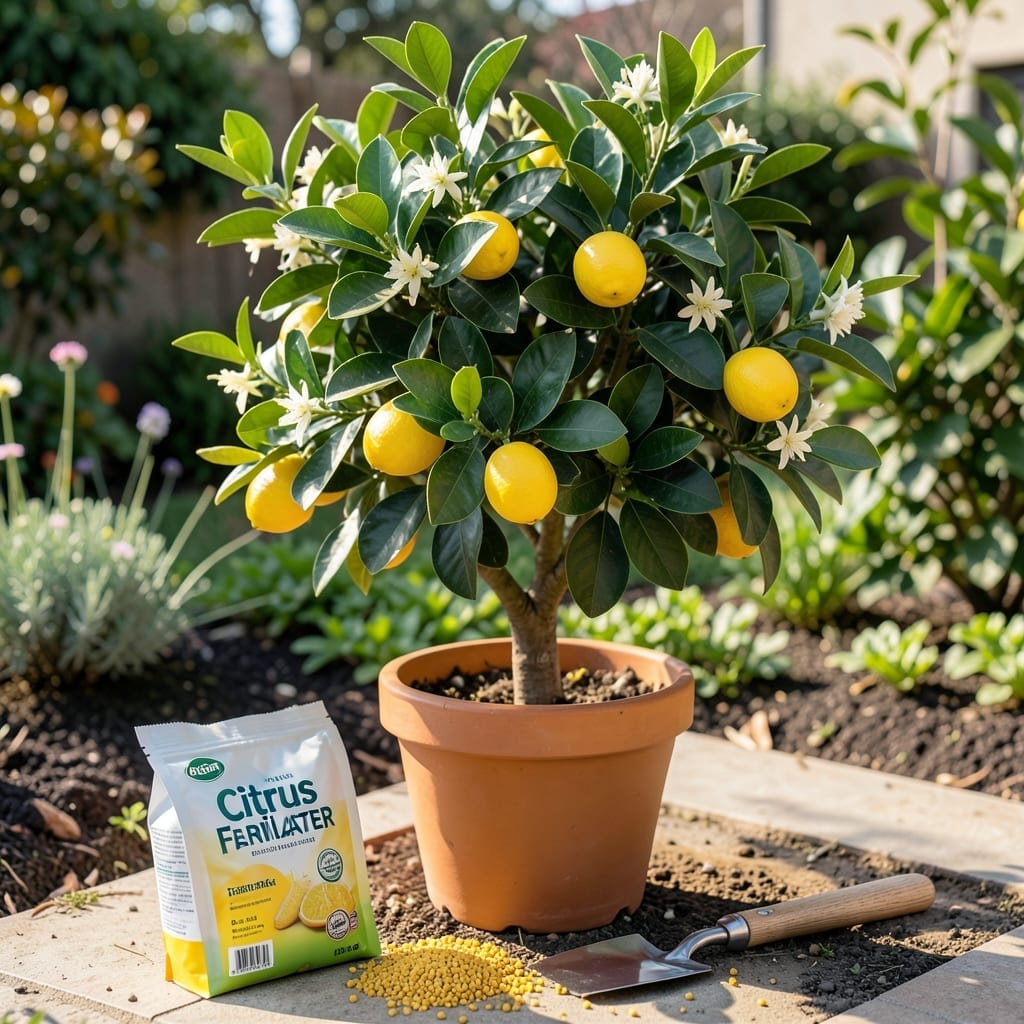
Growing a 🍊 Citrus Tree in a container means fresh fruit at your fingertips, but many gardeners miss the mark with fertilizing. Without the right approach, your tree might survive but never truly thrive.
What if I told you the difference between a lackluster plant and a bountiful harvest comes down to timing and technique? The good news is, it’s easier than you think.
Let me walk you through the seasonal feeding strategy that keeps container-grown citrus happy and productive year after year. You’ll discover the simple secrets most gardeners overlook.
Container-grown citrus trees have unique nutrient needs that change with the seasons. Unlike their in-ground cousins, potted citrus can’t draw from a vast soil ecosystem, so we must provide precise fertilization to mimic natural conditions. The key is matching NPK ratios to each growth phase.
I’ve found that spring demands a balanced approach with higher nitrogen, while summer calls for maintenance feeding. Fall requires a final push before winter dormancy. Let’s break down the best fertilizer types and ratios for each season.
| Season | NPK Ratio | Fertilizer Type | Key Nutrients | Application |
| Spring | 8-3-9 | Slow-release citrus | Nitrogen, Iron, Zinc | Every 4-6 weeks |
| Summer | 6-6-6 | Liquid citrus | Balanced, Magnesium | Every 3-4 weeks |
| Fall | 4-8-8 | Organic citrus | Phosphorus, Potassium | Every 6 weeks |
| Winter | None | None | Rest period | Skip feeding |
In spring, I recommend starting with a slow-release citrus fertilizer with an 8-3-9 ratio. This provides the nitrogen boost needed for new growth while including micronutrients like iron and zinc that container citrus often lacks.
The summer months call for a more balanced approach. Switch to a 6-6-6 liquid fertilizer applied every 3-4 weeks. This maintains steady growth without overstimulating the tree during hot weather.
As fall approaches, shift to a 4-8-8 ratio to encourage root development and fruit maturation. I prefer organic options here to avoid salt buildup in the soil. This final feeding prepares your tree for winter.
During winter, most container citrus enter dormancy. In cold climates, I skip fertilizing entirely. However, in warm zones, a very light feeding of 2-3-3 ratio can maintain health without promoting new growth.
Micronutrients are often overlooked but critical for potted citrus. Look for fertilizers containing iron, zinc, and manganese. These prevent common issues like yellow leaves and poor fruit set that I’ve seen in many container-grown trees.
Remember, container size affects fertilizer needs. For small pots (5-10 gallons), use half the recommended dose. Larger containers (15+ gallons) can handle full strength. Always water deeply after fertilizing to distribute nutrients and prevent root burn.
🌱A consistent feeding schedule keeps container citrus thriving. I’ve tested various approaches, and a monthly plan works best for steady growth. The key is adjusting frequency and dosage based on the tree’s active growth phases.
Start in early spring as new growth appears, then taper off as temperatures drop. Remember, container size matters—smaller pots need more frequent, lighter feedings to avoid nutrient buildup.
In spring, I apply a slow-release fertilizer at the first signs of new growth. This gives the tree a steady nutrient supply as it exits dormancy. Always water deeply after applying to activate the granules.
During summer, switch to a liquid fertilizer for quicker absorption. I reduce the frequency slightly during heatwaves to prevent stress. Watch for leaf yellowing, which can signal nutrient burn.
In early fall, I give my citrus one last feeding with a 4-8-8 ratio to support root health and fruit development. This helps the tree store energy for winter, especially in cooler climates.
For winter care, I stop fertilizing in cold zones but may use a very diluted 2-3-3 mix in warm areas. Always check soil moisture first—dry roots can’t absorb nutrients effectively.
Adjust your schedule if you notice slow growth or pale leaves. These often mean the tree needs more frequent, lighter feedings. Conversely, brown leaf tips may indicate over-fertilizing.
🌿