
Beautiful Plants For Your Interior
Beautiful Plants For Your Interior
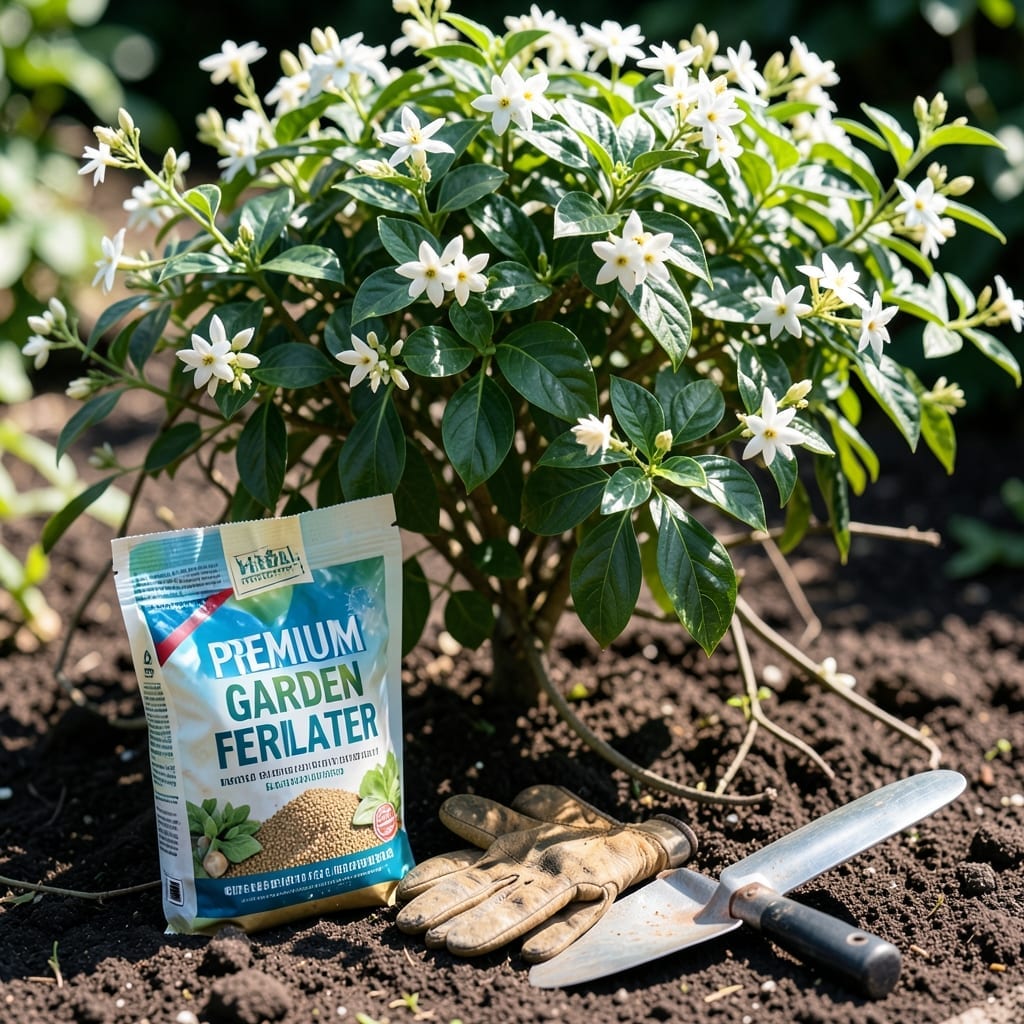
There’s nothing quite like the intoxicating fragrance of blooming 🌸 Jasmine filling your garden. But achieving those lush, vibrant flowers requires more than just water and sunlight.
Many gardeners struggle with sparse growth and lackluster blooms, not realizing their plants might be starving for the right nutrients. The solution often lies in what and how you feed your Jasmine.
Discover the organic options that will transform your plants from ordinary to extraordinary, bringing your garden to life with more vibrant blooms than ever before.
I’ve found that organic fertilizers work wonders for jasmine plants, giving them the natural boost they need for vibrant blooms and healthy growth. Unlike synthetic options, they improve soil structure over time.
Jasmine thrives on a balanced diet of nutrients, and organic choices like compost and worm castings deliver these gently without risking root burn.
| Fertilizer Type | NPK Ratio | Best For | Application Method | Season |
|---|---|---|---|---|
| Compost | 3-1-2 | Soil health | Mix into soil | Spring, Fall |
| Bone Meal | 3-15-0 | Root development | Work into soil | Early Spring |
| Fish Emulsion | 5-1-1 | Leafy growth | Foliar spray | Growing Season |
| Worm Castings | 1-0-0 | Overall vitality | Top dress | Any |
I always recommend compost as a foundation because it enriches the soil with micronutrients that jasmine loves. It’s gentle, improves drainage, and encourages beneficial microbes.
Bone meal is my go-to for early spring feeding. Its high phosphorus content promotes strong root systems, which are essential for supporting jasmine’s vigorous growth.
For a quick foliar boost, I use fish emulsion during the growing season. It’s packed with nitrogen to encourage lush, green foliage and can be applied directly to leaves.
Worm castings are a powerhouse for jasmine. They’re packed with nutrients and improve soil structure, making them perfect for both potted and in-ground plants. I top-dress with them monthly.
Remember, less is more with fertilizers. Over-feeding can lead to salt buildup in the soil, which may harm your jasmine. Always follow the recommended application rates. 🌸
I’ve noticed that jasmine responds best when fertilizers are applied early in the morning. This allows the plants to absorb nutrients before the heat of the day sets in.
Finally, always water your jasmine thoroughly after fertilizing. This helps distribute the nutrients evenly and prevents root burn. Consistency in feeding will reward you with abundant blooms and a healthy plant. 🌿
Timing is everything when it comes to fertilizing jasmine plants. I’ve learned that feeding them every 4-6 weeks during the growing season keeps them thriving with vibrant blooms and lush foliage.
The best time to start is in early spring, just as new growth appears. This gives your jasmine a strong foundation for the blooming season ahead. 🌸
I prefer foliar feeding with liquid fertilizers for a quick nutrient boost. Simply mix the fertilizer with water and spray it directly onto the leaves, allowing for rapid absorption.
For soil drenching, I apply granular or liquid fertilizer at the base of the plant, ensuring it reaches the root zone. This method is great for deep feeding and long-term nutrient availability.
Always fertilize in the early morning to prevent evaporation loss and give your jasmine plenty of time to absorb the nutrients before the heat of the day.