
Beautiful Plants For Your Interior
Beautiful Plants For Your Interior
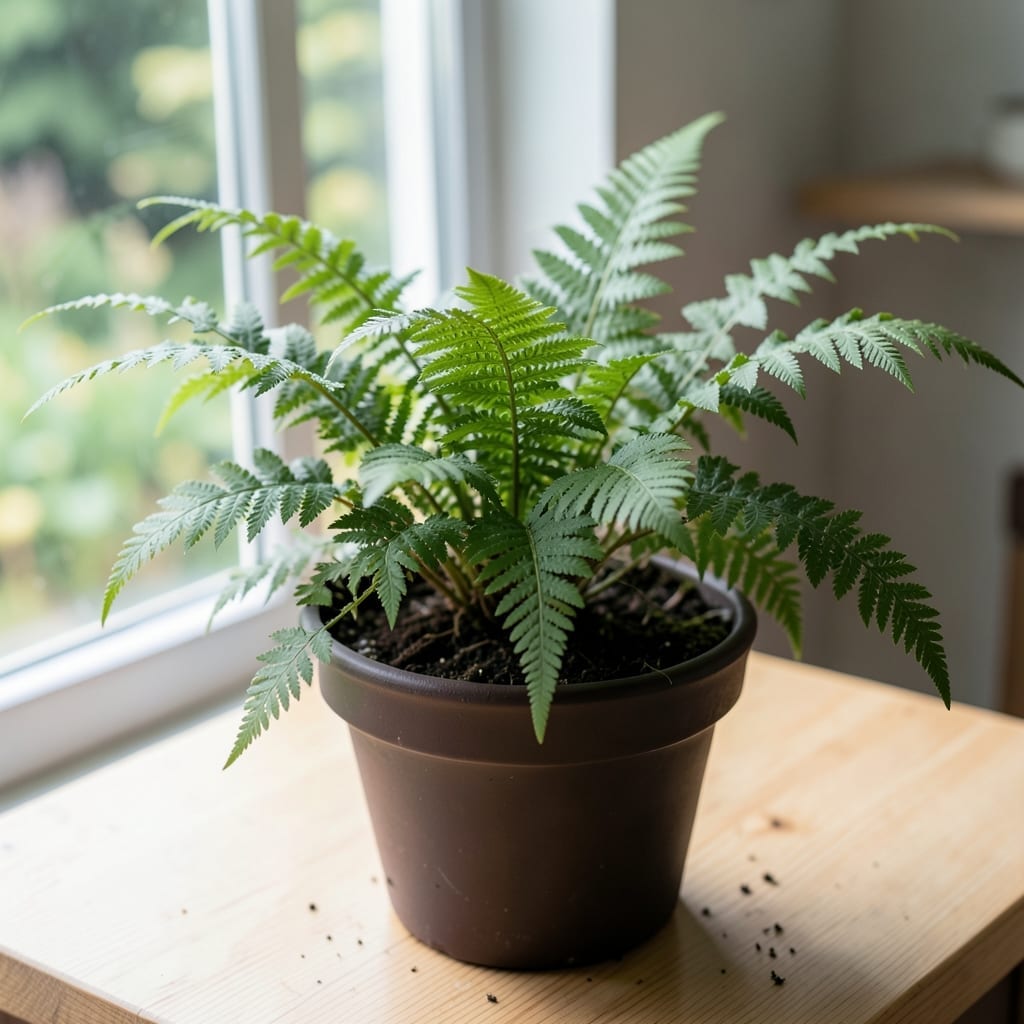
Curling fern fronds scream for help. I’ve nursed dozens back from the brink, and the fix is usually simpler than you think.
Low humidity, dry soil, or temperature swings stress them fast. Most ferns bounce back within 24-48 hours once conditions improve. Check the soil first—if it’s bone-dry an inch down, that’s your culprit.
You’ll see the difference quickly: new growth unfurls properly, existing fronds perk up, and the plant regains its lush, arching shape. The key is acting before the damage spreads.
Works for Boston ferns, maidenhairs, and most tropical varieties. Let’s get them thriving again.
Fern leaves curl for several specific reasons, often tied to environmental stress or care mistakes. Here’s why it happens:
Ferns thrive in consistently moist soil. When the soil dries out, the leaves curl inward to conserve moisture. Conversely, overwatering can lead to root rot, which disrupts water uptake and causes similar curling. Check the soil: it should feel damp but not soggy.
Ferns prefer stable temperatures between 60–75°F (15–24°C). Exposure to cold drafts (below 50°F/10°C) or heat sources (above 80°F/27°C) triggers stress responses like leaf curling. Move your fern away from AC vents, heaters, or direct sunlight.
Native to humid forests, ferns need 40–60% humidity to thrive. Dry indoor air (common in winter) causes leaves to curl as the plant tries to reduce water loss. Use a humidifier or pebble tray to restore moisture levels.
A lack of potassium, magnesium, or nitrogen can lead to weak, curling fronds. Yellowing often accompanies this. Use a balanced, water-soluble fertilizer (e.g., 10-10-10) diluted to half strength every 4–6 weeks during growing season.
Spider mites, mealybugs, or scale insects sap the plant’s fluids, causing leaves to curl and distort. Inspect the undersides of fronds for webbing or sticky residue. Treat with neem oil or insecticidal soap weekly until pests are gone.
When your fern’s leaves start curling, quick action can bring it back to life. Below are practical fixes for the most common causes, along with tips to keep your plant thriving long-term.
If the soil feels dry, give your fern a deep watering until water drains from the bottom. Use room-temperature water to avoid shocking the roots. Prevention tip: 💡 Check soil moisture weekly—ferns prefer consistently damp (not soggy) soil. A moisture meter can help!
Stop watering immediately and let the soil dry out slightly. If root rot is suspected, trim blackened roots and repot in fresh, well-draining soil. Prevention tip: 🌱 Use pots with drainage holes and a mix of peat and perlite for better airflow.
Mist the leaves daily or place a pebble tray with water beneath the pot. For a hands-off approach, use a humidifier nearby. Prevention tip: ✨ Group ferns with other plants to create a microclimate with higher humidity.
Move your fern to a spot with bright, indirect light (e.g., near an east-facing window). Avoid direct sun, which can scorch leaves. Prevention tip: 🎯 Rotate the pot monthly for even growth.
Wipe leaves with a soap-water solution (1 tsp mild soap per liter of water) to remove aphids or spider mites. For stubborn infestations, use neem oil. Prevention tip: 🛡️ Inspect new plants before introducing them to your fern’s space.
With these steps, your fern should perk up in 1–2 weeks. Stay consistent, and it’ll reward you with lush, unfurling fronds!
Water when the top 1 inch of soil feels dry. Most ferns need watering 2-3 times per week, but this varies by environment. Use room-temperature water and ensure proper drainage to avoid root rot.
Yes, if the cause is temporary like dry air or inconsistent watering. Once conditions improve, new growth will appear normal within 1-2 weeks. Severely damaged fronds may not uncurl but can be trimmed.
Aim for 40-60% humidity. Use a humidifier, pebble tray, or group plants together to maintain this. Brown leaf tips often signal the air is too dry for your fern.