
Beautiful Plants For Your Interior
Beautiful Plants For Your Interior
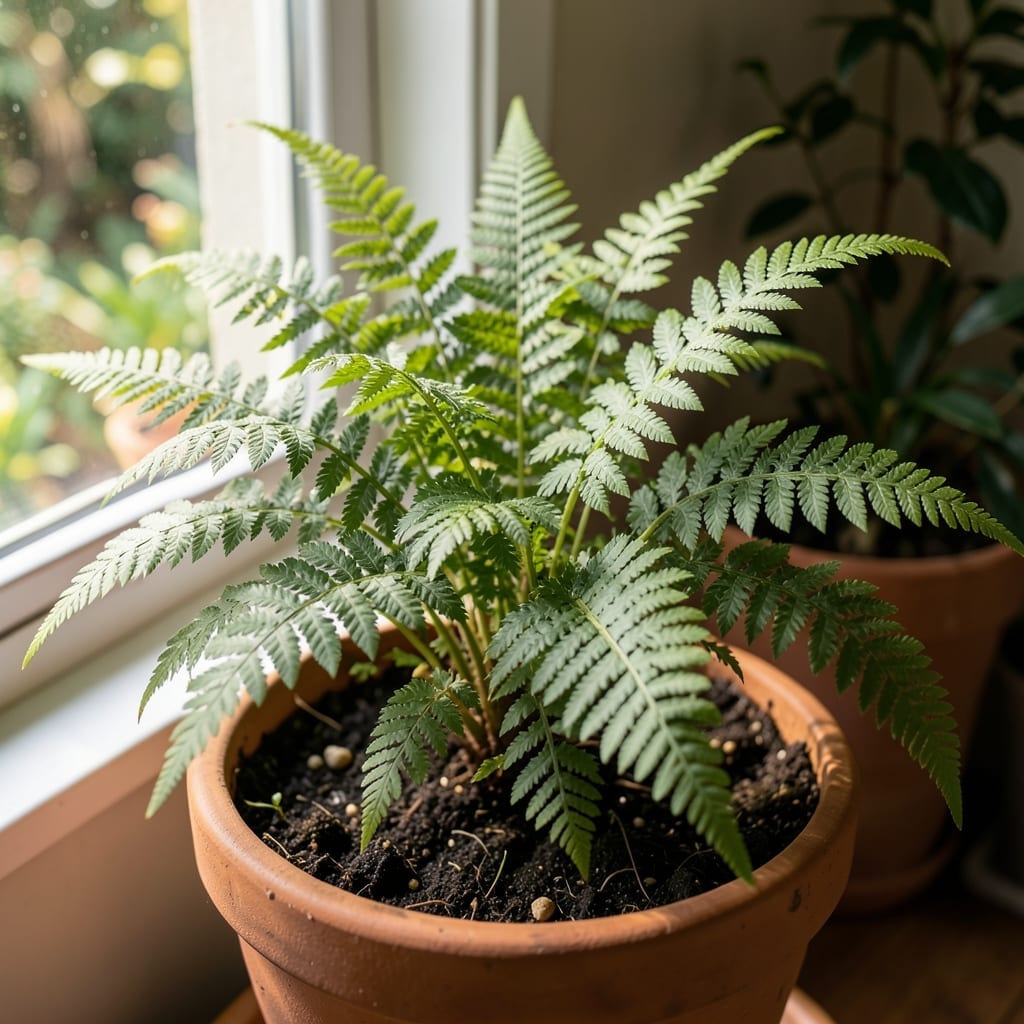
Fern leaves are called fronds, which consist of a blade divided into smaller leaflets. This unique structure distinguishes them from typical broad leaves of other plants.
This naming comes from their intricate, compound design that sets ferns apart in the plant kingdom. I find the rachis—the central stem of a frond—particularly fascinating, as it supports the delicate leaflets in a pattern that maximizes light absorption. 🌿 The adaptation reflects millions of years of evolution, making ferns incredibly efficient in shaded forest environments where they often thrive.
💡 In This Article
Fern fronds showcase a compound structure that’s fundamentally different from simple leaves. The main flat surface is called the blade, which branches from the central rachis—a stem-like axis that serves as the frond’s backbone. This design allows each pinna (leaflet) to angle toward light independently, maximizing photosynthesis in dense forest canopies.
What makes this structure unique is its circinate vernation—the way young fronds uncurl like a fiddlehead. Each leaflet emerges from the rachis in a precise pattern, often alternating or opposite, creating the intricate lace-like appearance we associate with ferns.
The blade can grow up to 6 feet long in some species like the ostrich fern, with hundreds of individual pinnae.
This evolutionary design solves a critical problem for forest floor plants. By dividing the leaf surface into multiple small leaflets, ferns can capture dappled sunlight more efficiently than broad leaves. The rachis also contains vascular tissue that transports water and nutrients to every pinna, ensuring uniform growth despite the complex structure. ✨
Unlike angiosperm leaves, fern fronds grow from underground rhizomes through a process called fiddlehead emergence. The tightly coiled new growth unfurls as it matures, with each pinna developing at a slightly different rate. This creates the characteristic staggered appearance of mature fronds, where older leaflets are larger than newer ones.
Gardeners can identify healthy fronds by their vibrant green color and firm texture. The rachis should be sturdy enough to support the blade horizontally, while the pinnae should lay flat without curling. In ideal conditions, a single fern plant can produce dozens of fronds, creating a lush ground cover that thrives in moist, shaded environments.
🌱
Fern leaves, or fronds, have a compound structure with multiple leaflets called pinnae. Unlike simple leaves, they grow from a central stem called the rachis, allowing each leaflet to angle toward light independently.
This is called circinate vernation, a protective growth pattern. The tight coil shields the delicate new growth as it emerges, then unfurls as the frond matures and hardens.
No, only certain species like ostrich fern are safe to eat. Others may be bitter or toxic. Always use a field guide to confirm before harvesting.
Examine the frond shape, pinnae arrangement, and rachis texture. For example, Boston ferns have arching fronds with small, evenly spaced pinnae.